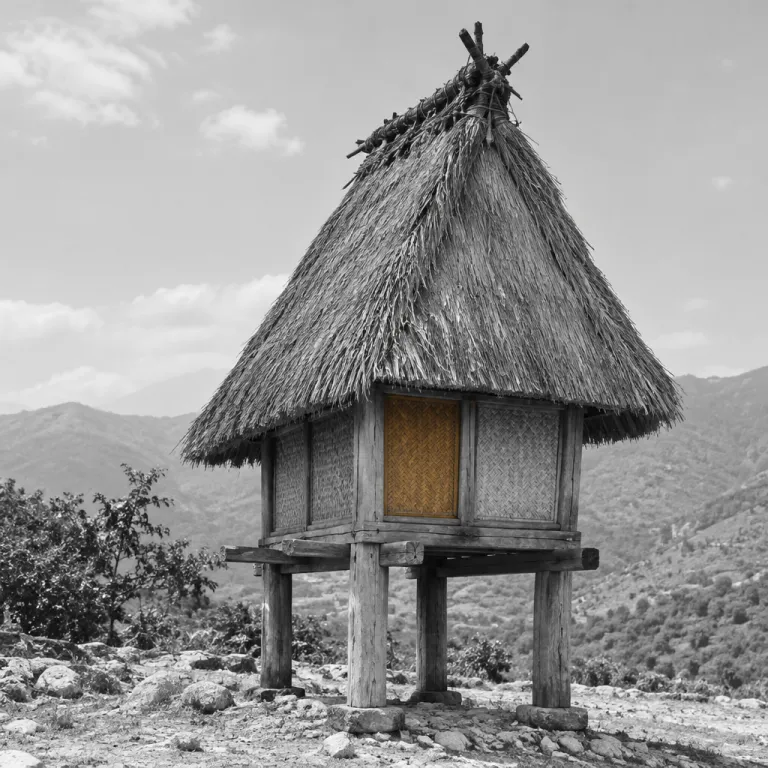
Hotel guide TimorLeste for travellers drawn to sacred houses
Timor-Leste is a small Southeast Asia country where luxury travel intersects with living tradition, and any serious hotel guide TimorLeste must start with the uma lulik. These sacred clan houses shape how you move through Timor and Leste, where you book each night, and which Dili hotel or island retreat gives you respectful access to communities rather than just a scenic room. When you plan a stay in Timor Leste or East Timor, think of your accommodation as a base camp for understanding uma lulik, not just a place to sleep after a long travel day.
An uma lulik is more than a photogenic structure in the east of the country; it is a spiritual axis where ancestors, land and living people meet, and where the Lulik belief system governs social roles and obligations. Heritage specialists describe it plainly in the cultural record: “What is Uma Lulik?” and answer “Sacred house for ancestors central to Timorese culture and cosmology.” When you visit Timor Dili or drive out from an island Dili waterfront hotel into the hills, you are entering a sacred landscape where every person is connected to a specific house, and where even the best hotel must defer to customary authority.
Across Timor Leste, uma lulik stand on clan land, often raised on stilts in clearings that feel intentionally apart from ordinary accommodation east of the main road. Many were destroyed during conflict and have been rebuilt with carved wood, sacred swords, cloths and masks, supported by local clans, government and international partners such as the U.S. Ambassadors Fund for Cultural Preservation, which has backed projects in places like Lospalos and Venilale since the early 2010s. That same legal regime that protects cultural heritage, including provisions in the 2012 Law on Cultural Heritage and related decrees, now shapes how leste travel evolves, and any honest guide Timor for high end guests must explain why you ask permission before approaching, why you dress modestly, and why you never treat an uma lulik as just another stop on a travel guide checklist.
Understanding uma lulik etiquette from your Dili and mountain hotels
For a solo explorer using a hotel guide TimorLeste to plan a first stay, Dili is usually the opening chapter, and it is where you learn the etiquette that will follow you into the mountains. Choose a Dili hotel that works closely with local guides and village leaders, because they can introduce you to a Lian-Nain, the custodian who decides how and when visitors may approach a specific uma lulik. From a well run hotel Timor property on the waterfront, staff can arrange a day trip east into the hills, where a local person explains why some houses may be viewed from outside only, while others allow carefully managed entry.
Respect starts before you leave your room; pack clothing that covers shoulders and knees, avoid flashy logos, and be ready to follow your host’s lead on gestures, seating and speech. Cultural authorities emphasise simple rules that every traveller can follow: “Ask before entering or photographing Uma Lulik”, “Dress modestly and follow hosts’ lead”, “Seek local guide and respect protocols”, “Take nothing but photos, leave sites undisturbed”. When you book Dili stays through a platform that understands these norms, the best time in your itinerary is not the pool hour at night, but the quiet moment when a village elder explains how lulik, or sacred potency, binds people, land and ancestors together.
Many uma lulik are not signposted attractions, so arriving unannounced from a random Dili cost saving taxi is both ineffective and disrespectful. Instead, use a trusted travel guide or your accommodation east of the city centre to arrange introductions, often timed with community availability rather than your own tight travel schedule. To make this easier, follow a few practical steps: confirm with your hotel which villages currently welcome visitors, ask in advance whether a small offering such as betel nut or coffee is appropriate, carry a light scarf or sarong for extra coverage, and agree on a clear fee for your driver so you are not negotiating in front of elders. For deeper context on how materials signal respect, read this analysis of reading a Timor-Leste hotel by its materials, then look again at the carved posts and woven tais cloths inside an uma lulik and notice how they echo, or challenge, the design language of your luxury stay.
Where to stay in Dili and on Ataúro for sacred landscapes and sea
Once you understand the role of uma lulik, the next step in any hotel guide TimorLeste is choosing where to stay in Dili and beyond so that sacred houses and sea journeys fit into one coherent route. In the capital, select a Dili hotel along the waterfront or near the embassy district, where you can wake to views of island Dili and still reach upland villages within a few hours. Properties such as Hotel Timor and other established Dili accommodation east of the port offer reliable rooms, consistent food and staff who can explain both the best time to visit Cristo Rei and how to arrange a village visit without rushing the community.
From Dili, the ferry or speedboat to Ataúro Island opens a different dimension of Timor Leste, where coral reefs and uma lulik coexist in a tight island geography. On Ataúro Island, you will find simple but well run lodges and at least one dive resort that specialises in small group experiences, with an emphasis on atauro dive sites where the reef, not the resort amenity, is the star. Many of these island stays work with local person led initiatives so that a day spent diving at 27 degrees Celsius water temperatures can be paired with an afternoon walk to a nearby sacred house, always mediated by a village guide.
For serious divers, a dedicated atauro dive programme based at a coastal lodge can be the highlight of any leste travel itinerary, especially when combined with a night or two back in a Dili hotel to explore Cristo Rei and the city’s markets. A detailed guide to the dive sites and lodges helps you compare which dive resort balances reef access, community partnerships and comfortable rooms. The key is to book stays that treat both the ocean and the uma lulik as living systems, not backdrops, so that your travel guide becomes a record of relationships rather than a list of sights.
Planning routes around uma lulik: from coastal roads to highland clans
A refined hotel guide TimorLeste is not just a list of properties; it is a map of how to move through Timor and Leste east of Dili in a way that honours sacred geographies. One classic route starts in Timor Dili, loops along the north coast past island Dili views, then climbs into the central highlands where cool air drops several degrees Celsius and uma lulik stand among mist and eucalyptus. Another option takes you along the east coast of East Timor, where small towns offer modest accommodation east of the main highway, and where your Dili hotel can pre arrange introductions to clan leaders before you arrive.
On these journeys, every day has a different rhythm, and the best hotel for one night may be a simple guesthouse chosen for its proximity to a revered house rather than its thread count. Ask your travel guide or driver to explain which villages welcome visitors and which prefer privacy, and never pressure a local person to grant access if the timing is not right. In some municipalities, international grants have funded documentation and renewal of uma lulik, and you may notice new structures rising where older ones were lost, a reminder that this is a living culture rather than a museum.
For solo travellers, safety and respect go together, so always book Dili and regional stays with properties that know the road conditions and the real Dili cost of hiring qualified drivers. When planning a longer stay in Timor Leste, consider alternating nights in a full service Dili hotel with quieter nights in rural lodges, so that you can balance connectivity with immersion. To keep planning manageable, sketch a simple route map with three anchors: a capital base for logistics, one coastal stop for sea views and diving, and one highland village cluster for uma lulik visits. For a broader overview of key regions and luxury bases, consult this curated itinerary for planning a refined escape to Timor-Leste, then layer uma lulik visits onto that framework.
Food, rooms and the deeper rewards of staying near sacred houses
Luxury in a hotel guide TimorLeste context is less about marble lobbies and more about how your stay connects you to the food, stories and sacred spaces that define Timor Leste. In Dili, you might start the day with strong local coffee and fresh seafood, then drive east to a village where a shared meal of rice, vegetables and grilled fish becomes part of the protocol before approaching an uma lulik. On Ataúro Island, a dive resort may serve simple but carefully prepared local food after a morning atauro dive, while your host explains how the community balances reef protection with the needs of island families.
Rooms near sacred landscapes are often modest, but a thoughtful travel guide will highlight where good mattresses, mosquito nets and clean bathrooms meet genuine community partnership. When you book Dili or rural stays, ask how your payment supports village projects, whether a portion goes to the Lian-Nain or clan for uma lulik maintenance, and how the property manages waste so that leste east coast environments remain intact. To keep expectations realistic, think in terms of essentials rather than frills: reliable water, secure doors, respectful staff and clear communication about when electricity or Wi-Fi may be limited. The best hotel experiences in East Timor are those where every person on staff, from driver to cook, understands that guests are entering a web of obligations, not just a scenic backdrop.
Over several nights, patterns emerge: the way a Dili hotel receptionist reminds you to carry a sarong for village visits, the way a rural host switches from Portuguese to Tetum to include you in a story about ancestors, the way a child points out Cristo Rei on the horizon as you return to island Dili by boat. These are the moments when a guide Timor itinerary shifts from sightseeing to relationship building, and when you realise that uma lulik visits have changed how you think about accommodation east of the usual resort strip. In a region of southeast Asia often sold as interchangeable beaches, Timor and Leste offer something rarer, if you are willing to slow down and let the sacred houses set the pace of your journey.
FAQ
What is an uma lulik in Timor-Leste ?
An uma lulik is a sacred clan house that anchors Timorese spiritual, social and cosmological life, serving as a meeting point between ancestors, land and living community members. These structures are usually built with natural materials and carved symbolism, and they are governed by strict customary protocols. In both Timor Leste and East Timor usage, uma lulik are treated as living institutions rather than historical monuments.
Can tourists visit uma lulik during a trip ?
Visitors can often see uma lulik as part of guided village visits arranged through a Dili hotel, rural lodge or recognised travel guide. Access is always at the discretion of local leaders and the Lian-Nain custodian, and some houses may only be viewed from outside. You should never enter or photograph a sacred house without explicit permission from a responsible person.
How should I dress and behave when visiting a sacred house ?
Dress modestly, covering shoulders and knees, and avoid tight or revealing clothing, whether you are coming from a Dili hotel or an Ataúro Island dive resort. Follow your host’s lead on where to sit, when to speak and whether to remove shoes, and keep your phone on silent. For a quick checklist, think “covered, calm, and curious”: covered clothing, calm body language, and curious listening rather than constant photography. Treat the uma lulik and surrounding landscape as a sacred space, not a backdrop for social media content.
Where should I stay to visit uma lulik respectfully ?
Dili is the most practical base, with hotels such as Hotel Timor and other central properties able to arrange drivers and guides for day trips into surrounding districts. For multi day itineraries, combine nights in the capital with stays in vetted rural guesthouses or island lodges on Ataúro Island that have clear agreements with nearby communities. A well researched hotel guide TimorLeste will highlight accommodation east of the main tourist areas that prioritises cultural protocols and fair compensation.
Is photography allowed at uma lulik sites ?
Photography rules vary by community, so always ask your guide or the Lian-Nain before raising a camera or phone. Some uma lulik allow exterior photos but forbid images of interior sacred objects, while others may prohibit photography entirely during rituals or specific times of day. When in doubt, choose not to shoot and focus instead on listening, as this approach builds trust and keeps future access open for other travellers.