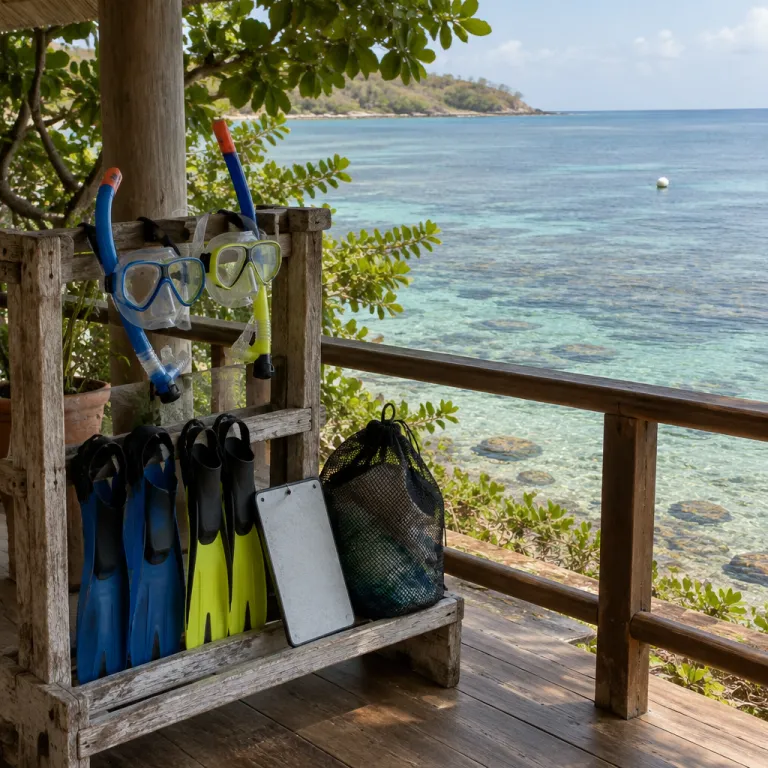
Why accommodation in Timor-Leste suits first snorkels and first passports
Families researching accommodation in Timor-Leste often arrive with two parallel hopes. They want a hotel that feels genuinely comfortable for tired parents, and they want shallow water where a young guest can put on a mask for the first time without waves or crowds. Along this frontier coastline, the best places to stay balance both needs with calm bays, clear house reefs and staff who treat every child as a future reef guardian.
In Dili, the capital of Timor-Leste, you can base yourself in a beachside hotel that keeps logistics simple while you plan a side trip to Ataúro Island. A well run Dili hotel with a shaded swimming pool, a reliable restaurant and a quiet garden gives children a predictable base between more adventurous days. When you compare accommodation options, look for hotels in Dili that mention reef access, guided snorkelling and conservation briefings in their reviews rather than only talking about the bar or the pool.
Parents often ask whether to stay at a central hotel in Dili or move straight to a resort on the coast. For a first visit, a night or two in a hotel on the Dili waterfront makes sense, because you can sort ferries, test rental car agencies and walk the seafront before committing to island schedules. Properties such as Hotel Timor and Hotel Esplanada sit close to the sea, and while they are city hotels rather than reef lodges, their staff are used to guests asking about snorkelling, boat transfers and which beach offers a good first view of Timor-Leste’s coral.
Reading Dili’s waterfront: where city hotels meet the sea
The stretch of coast that runs from the port past Cristo Rei is where accommodation in Timor-Leste starts to feel like a real seafront city rather than a staging post. Here, a guest can wake in a Dili hotel, cross the road and be on a palm lined beach within minutes, even if the best coral lies further offshore. Families should think of these Dili hotels as urban bases with sea breezes, not as full scale reef resorts.
Hotel Timor, for example, offers a central address, a dependable swimming pool and a formal restaurant that works well with children who need early dinners. Hotel Esplanada sits closer to the water, with a small pool, a relaxed bar and a terrace where parents can watch the light fade over the bay while kids count fishing boats. When you read online reviews for any hotel on the Dili side, scan for mentions of staff arranging snorkel trips, boat charters or day excursions to palm beach stretches east of town, because that is where the water clears and the coral begins.
Families who like to pair city comfort with coastal access often look at the Timor Plaza complex, where Plaza Hotel connects directly to the mall. This plaza hotel option is not on the beach, but its range of cafés, the indoor spaces and the predictable services can be a relief after long travel days with children. For a deeper sense of how each Dili waterfront neighbourhood feels at street level and what you can expect from a given hotel, the detailed guide to the Dili waterfront in transition breaks the city into four clear price brackets that are especially useful for families.
Ataúro Island’s eco lodges: shallow reefs as classrooms
Once you leave Dili’s traffic behind, accommodation in Timor-Leste takes on a different character on Ataúro Island. On the west coast of Ataúro, Afonsu Ecolodge and the newly built Moises Ecolodge sit side by side above a reef wall that has been quietly praised by experienced snorkellers for its clarity and fish life. These are not polished city hotels with a big swimming pool and a plaza bar, but simple eco focused properties where the house reef is the main amenity and every guest is gently coached in how to treat it.
For families, the key advantage is the combination of shallow sandy entries and quick access to deeper coral, which lets a child practise mask skills in knee deep water before drifting over the reef edge with a parent. Staff at these lodges typically brief each guest on reef etiquette, explaining why children must never stand on coral, why reef safe sunscreen matters and how even a good swimmer can damage fragile structures with one careless kick. When you compare this style of Timor-Leste accommodation with a more conventional resort, remember that the trade off for fewer pools and bars is direct access to a living classroom where your child can see parrotfish, anemones and perhaps a turtle within metres of the shore.
Safety is central to the way these ecolodges operate, and that matters for parents who may be nervous about open water. Ask in advance about life jackets in children’s sizes, the range of mask and fin sizes available and whether staff will accompany first time snorkellers from the beach. For a broader itinerary that links Dili, the hills around Aileu and the coast, the route outlined in this mountain to sea road trip with hotel stops shows how to combine city hotels, inland guesthouses and coastal lodges into one family friendly circuit.
Teaching reef etiquette: from hotel pool to house reef
Good reef manners start long before a child’s first glimpse of coral, and the most thoughtful places to stay in Timor-Leste understand that. Use the hotel swimming pool as a rehearsal space, where children can practise clearing masks, breathing through snorkels and using fins without splashing or kicking others. A calm session in the pool at Hotel Timor, Hotel Esplanada or another Dili hotel with a decent swimming pool can turn the first sea entry from a nervous moment into a familiar routine.
Once you reach a beach hotel or eco lodge with a house reef, ask staff to walk your family through their specific guidelines. Many properties on Ataúro Island and along the coast east of Dili now include short talks about not touching coral, keeping hands tucked in and never chasing turtles or reef fish, and they often tailor the language for younger guests. Some lodges even use the hotel garden or a shaded palm grove as an outdoor classroom, where children can see bleached coral fragments, learn the difference between sand and living structures and understand why standing up on the reef, even once, can undo years of slow growth.
Parents can reinforce these lessons by setting clear rules before each swim. Make it a game to keep fins off the bottom, to float like a starfish and to point rather than reach when a child spots something exciting. When you choose family friendly accommodation in Timor-Leste, prioritise places where staff seem as proud of their reef briefings as they are of an excellent bar menu, a good restaurant or a palm fringed view from the terrace.
Choosing family friendly lodges: comfort, safety and conservation
For a premium family, the right Timor-Leste stay balances comfort with conscience. You want a hotel comfortable enough that everyone sleeps well, eats reliably and has access to shade, yet you also want a property where your spending supports local communities and reef protection. That combination is increasingly visible not only on Ataúro Island but also in Dili, at coastal guesthouses near Cristo Rei and in small inns that line the road towards Balibo Fort.
When you assess options, look beyond glossy photos of a pool or a palm lined beach and ask specific questions. Does the hotel train staff to brief every guest on reef etiquette, or is snorkelling treated as an unguided extra with no mention of coral care? Are there child sized life jackets, shaded rest areas near the water and clear policies about boat traffic near the swimming zone, especially at resorts that market themselves as a beach hotel with a wide range of water sports?
Food matters too, especially for children who burn energy in the water. Many hotels in Dili and on the coast now serve Timorese dishes alongside international staples, and some will happily adapt menus for younger palates if you ask in advance. If you want to go deeper into local flavours and know what to request from a hotel kitchen after a long day of swimming, the guide to Timorese dishes worth asking your hotel to make is a useful companion when you plan where to stay and what to eat.
From city stays to reef lodges: planning a low impact family itinerary
Designing an itinerary around accommodation in Timor-Leste that respects the reef means pacing your trip thoughtfully. Start with one or two nights in a central Dili hotel such as Hotel Timor, where you can recover from flights, adjust gear, check that masks fit and read recent reviews about conditions on Ataúro Island or at coastal lodges. Use this time to visit the waterfront, look towards Cristo Rei and talk with staff about which beach or reef is best for your children’s ages and swimming confidence.
Next, move to a property where the sea is the main attraction, whether that is an eco lodge on Ataúro Island or a small resort east of Dili with easy beach access. Aim for at least three nights in one place, so children can build confidence day by day rather than rushing from one swimming spot to another, and so you minimise boat transfers that can stress both kids and coral. On travel days, keep sunscreen, rash guards and plenty of water handy, and remind children that the reef rests too, which is why you will have some afternoons in the hotel garden or by the pool instead of in the sea.
Finally, consider ending back in the city, where a hotel with a reliable restaurant, a quiet bar and perhaps a view of the bay lets everyone decompress before flights home. This is when you can talk with your children about what they saw, what they learned about not touching coral and how they might behave on future reefs in other countries. In doing so, you turn a single family holiday into the start of a lifetime habit of careful, low impact travel that benefits both Timor-Leste’s reefs and every destination you visit next.
FAQ
Is Timor-Leste suitable for children who are new to snorkelling ?
Yes, many parts of Timor-Leste, especially Ataúro Island and some sheltered beaches near Dili, offer calm, shallow water that is ideal for first time snorkellers. Families should choose accommodation options in Timor-Leste that mention house reefs, guided snorkel sessions and safety equipment for children. Always ask the hotel about current conditions and the best spots for your child’s age and swimming ability.
What should my child know about reef etiquette before we arrive ?
Children should understand three basic rules before entering the water. They must never touch or stand on coral, they should keep their fins away from the reef and they should use reef safe sunscreen or wear long sleeve rash guards. Many eco lodges and thoughtful hotels in Dili will reinforce these points with simple, age appropriate briefings.
How do I check if a hotel supports reef conservation ?
Look for clear information on the hotel’s website or booking page about conservation programs, community partnerships and reef protection guidelines. When in doubt, email the property and ask whether they provide reef etiquette briefings, support local marine organisations or limit boat traffic near their house reef. Accommodation providers in Timor-Leste that take these steps seriously will usually be proud to explain their efforts in detail.
Do we need to bring our own snorkelling gear for kids ?
Bringing your own child sized masks and snorkels is ideal, because fit and comfort are crucial for confidence in the water. Some lodges on Ataúro Island and several hotels in Dili do offer a range of gear sizes, but supplies can be limited in peak periods. If you rely on hotel equipment, confirm availability and sizes in advance and always test the fit in the pool before heading to the reef.
Can non swimmers still enjoy the reefs around Timor-Leste ?
Non swimmers, including younger children, can still experience the reef from boats with glass viewing panels, from piers or by floating with life jackets in very shallow water under close supervision. Many accommodation providers in Timor-Leste can arrange gentle, guided experiences that keep feet off the coral while allowing everyone to see fish and coral formations. Always discuss comfort levels honestly with guides so they can tailor the outing to your family’s needs.