How a luxury stay in Timor-Leste can unlock real Timorese flavors
A luxury stay in Timor-Leste can be as much about discovering Timorese food as enjoying a pool, balcony and sea views. In Dili, the smartest high-end stays are often defined less by thread count than by what the chef will cook when you ask quietly. Families checking into a beach hotel or a central hotel in Dili quickly learn that the printed menu leans international, while the real Timor-Leste flavors live in the staff meals and weekend specials that never reach the card. When you choose hotels carefully in Timor-Leste, from a modern resort near the waterfront to serviced hotel apartments close to Timor Plaza, you gain access to kitchens that can translate curiosity into a table full of local dishes.
Start the conversation early, ideally when you first see your room or while your luggage is still being taken past the swimming pool and up to the balcony. Mention that you are traveling as a family for both business and leisure, and that you would love a simple Timor-Leste home-style dinner one evening with mild options for children. In many hotels in Dili, the food and beverage team will be delighted to plan something special, especially if you give them a day’s notice so they can source the right fish, vegetables and fruit from the markets.
Be specific but flexible when you speak with the front desk or the bar supervisor, because staff may understand the ingredients better than the dish names. Ask whether the kitchen can prepare ikan sabuko, the grilled Spanish mackerel marinated in tamarind with basil and chilli, or a gentle batar da’an stew of corn, mung beans and pumpkin for younger palates. In both upscale resort properties and smaller hotels, this kind of respectful request signals that you value Timorese culture, and it often opens doors to off-menu plates that never appear for guests who only order burgers by the pool.
Ikan sabuko: coastal Timor on a family friendly plate
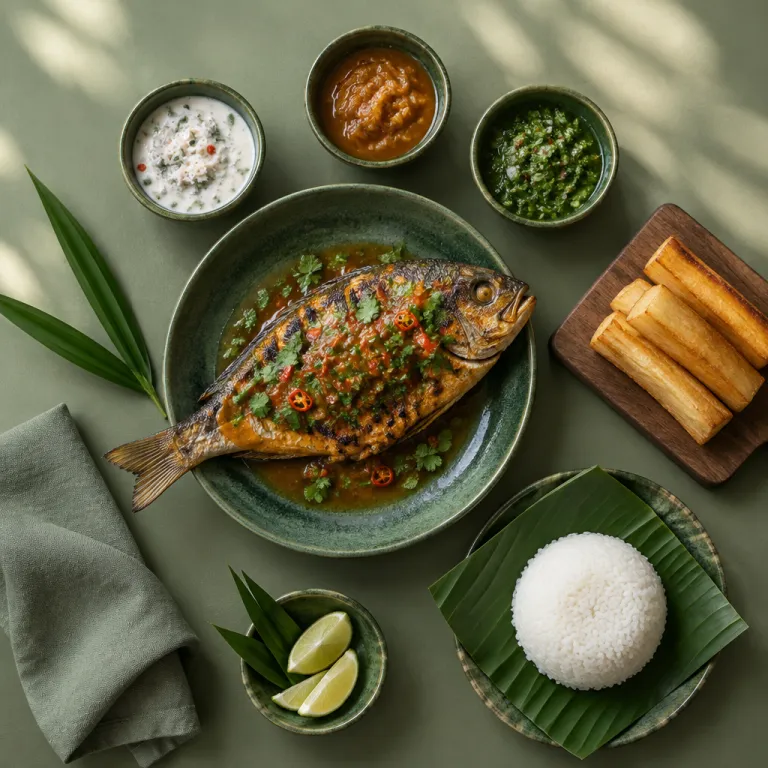
Ikan sabuko is the dish that quietly defines a coastal luxury stay in Timor-Leste, especially in Dili where the sea is never far from your hotel balcony. The Spanish mackerel is marinated in sharp tamarind, then grilled with basil and chilli, and finally served with a pungent budu sauce that brings the Malay and Portuguese threads of Timorese cuisine together. When you stay in a beach hotel facing the bay or in a resort with direct access to the sand, you are often only a few hours away from the morning’s catch landing on your plate.
For families, the key is to ask the kitchen to prepare ikan sabuko in both mild and regular versions, turning one iconic Timor-Leste recipe into a shared platter that works for different spice tolerances. Many hotels with spacious family rooms or a twin room configuration will happily grill part of the fish with less chilli, while keeping the budu sauce on the side for adults. In Dili, where the sea breeze reaches even the most modern resort towers, this flexibility lets children taste the tamarind and basil signature without being overwhelmed.
When you speak with the chef or the bar manager at your hotel in Dili, explain that you would like the fish grilled simply, perhaps served with white-sand-coloured rice, local greens and lime wedges. One Dili chef describes the ideal balance as “three parts sour lime to one part salt, with the chilli on the side so everyone can choose.” Properties that cater to divers heading for Ataúro Island or to executives mixing business and leisure are used to early breakfasts and late dinners, so they understand special requests. If you are planning a day trip to the reefs highlighted in this guide to dive lodges and boat day sites, ask the kitchen to pack leftover ikan sabuko into sandwiches for the boat, turning last night’s luxury into today’s easy family lunch.
Batar da'an and gentle stews: Timor comfort food for children
While grilled fish anchors the coastal luxury stay in Timor-Leste experience, the heart of family friendly dining often lies in the stews that Timorese households cook slowly. Batar da’an, a main course of corn, mung beans and pumpkin simmered with garlic and onion, is one of the most forgiving dishes for young travelers who are still adjusting to new flavors. In hotels that offer fully equipped apartments or long-stay rooms with kitchenettes, you may even find staff willing to show you how the stew is assembled, turning dinner into a quiet cooking lesson.
In a modern plaza hotel near Timor Plaza, or in a classic property such as Hotel Timor with its shaded pool and palm-lined courtyard, ask the restaurant team whether they can prepare a pot of batar da’an for your family. Explain that you are looking for something vegetarian and gentle, perhaps served with grilled chicken on the side for those who want extra protein. Many hotel and resort kitchens in Timor-Leste keep the ingredients on hand, because the same corn and pumpkin appear in staff meals and in the soups that locals order on cooler evenings.
Parents can turn this into a low-key cultural moment by asking servers to talk briefly about where the corn and beans come from, since much of the produce is grown in the highlands beyond Dili. Children who have spent the morning by the swimming pool or building castles on the beach often enjoy hearing that their dinner traveled down from the mountains, just as they traveled across the island. If you are staying in a resort that partners with dive operators on Ataúro Island, you can deepen the story by reading this piece on how room rates help fund the reefs, then talking about how tourism supports both farmers and fishermen in Timor-Leste.
From Cristo Rei to Ataúro Island: where hotels source the best ingredients
Look beyond the infinity pool and you start to see how a luxury stay in Timor-Leste is stitched together from short supply chains and long relationships. In Dili, many hotel kitchens buy fish directly from small boats that land near the road to Cristo Rei, the hilltop statue that watches over the bay. When you order ikan sabuko or a simple grilled catch at a beach hotel, there is a good chance the fish was still in the water at sunrise.
Resort chefs and hotel bar managers often work with the same market vendors for years, especially for basil, chillies and tamarind, which define the coastal Timorese flavor profile. Families staying in spacious apartments or hotel rooms with a balcony can sometimes join a morning market run, if they ask politely and accept an early start. This kind of outing turns a standard hotel stay in Timor-Leste into an informal field trip, where children see palm fronds shading piles of limes, and hear the bargaining that sits behind every plate of grilled fish.
On Ataúro Island, where white-sand beaches and coral reefs attract divers more than shoppers, the sourcing story is even more direct. Small resort properties and guesthouses rely on what the island can provide that day, from reef fish to bananas and leafy greens, so menus change with the weather. When you arrive from Dili on the morning boat, ask your host what the island is eating tonight, then request a family-style meal that lets you taste both the sea and the hills in one sitting.
Reading the menu between the lines: practical tips for hotel dining
Most hotel menus in Timor-Leste list club sandwiches, pasta and grilled meats, yet the smartest guests treat that card as a starting point rather than a limit. When you see ingredients like Spanish mackerel, pumpkin, corn or mung beans mentioned in side dishes, take it as a signal that the kitchen can cook local recipes such as ikan sabuko or batar da’an if you ask. In both modern city hotels and relaxed resort properties, chefs often appreciate guests who are curious about Timorese food, because it lets them cook what they grew up eating.
Use the spaces where staff relax to start these conversations, whether that is the lobby bar, a café corner like Caffè Cino in a plaza hotel, or a shaded table near the pool. Ask what the team likes to eat after a shift, and whether any of those dishes could be adapted for your family with less chilli or more vegetables. Parents staying in a twin room or a larger suite can also request that fruit plates feature local mangoes, papayas and bananas, turning every snack into a geography lesson about Timor-Leste.
When you choose a hotel in Dili or along the coast, look for signs that the property takes food seriously, such as a visible herb garden, a bar that stocks local coffee, or a breakfast buffet with Timorese dishes alongside international options. Articles like this overview of what Timor-Leste wants visitors to understand can help you frame respectful questions about culture and cuisine. Over several nights, you will find that the more you ask, the more the menu quietly shifts toward the flavors that brought you to this young island nation in the first place.
FAQ
How do I ask for off menu Timorese dishes without causing confusion ?
Speak with the front desk or restaurant supervisor during the afternoon, when the kitchen is quieter, and explain that you are interested in Timorese home-style dishes such as ikan sabuko or batar da’an. Ask which local recipes the chef enjoys cooking, and be clear about spice levels and any allergies for your children. Offering a flexible time for dinner and accepting the ingredients that are freshest that day makes it easier for the team to say yes.
Is Timorese food too spicy for young children staying in hotels ?
Many Timorese dishes can be adjusted easily, because the heat often comes from sauces served on the side rather than from the base stew. When you request ikan sabuko or other grilled fish, ask the kitchen to use less chilli on part of the portion and to keep the budu sauce separate. For very young children, batar da’an and other corn or pumpkin stews can be served almost like a thick soup, with plain rice and fruit alongside.
Can I find good Timorese food in international style hotels in Dili ?
Yes, many international-style hotels in Dili employ local chefs who cook Timorese dishes for staff meals and special events, even if the printed menu focuses on global favorites. Look for properties that mention local sourcing or that offer Timor-Leste options at breakfast, then ask whether the kitchen can prepare those dishes at dinner. Giving the team a day’s notice usually results in better variety and fresher ingredients.
What are the best kid friendly Timorese dishes to request first ?
Start with grilled fish such as a mild version of ikan sabuko, served with rice and vegetables, because the flavors are familiar yet distinctly coastal Timor-Leste. Batar da’an is another strong option, as the combination of corn, beans and pumpkin feels like a comforting stew. Round out the meal with local fruit platters, which most hotel kitchens can prepare quickly and which help children associate Timor-Leste with bright, fresh tastes.
Do hotels on Ataúro Island offer enough variety for a longer family stay ?
Properties on Ataúro Island tend to have smaller menus, but they compensate with very fresh seafood, seasonal vegetables and flexible family-style meals. If you let your host know in advance that you are staying several nights, they can plan different preparations of fish, stews and salads so that dinners do not feel repetitive. Many families find that the combination of reef activities, white-sand beaches and simple, well-cooked Timorese dishes makes a longer stay feel both relaxed and satisfying.