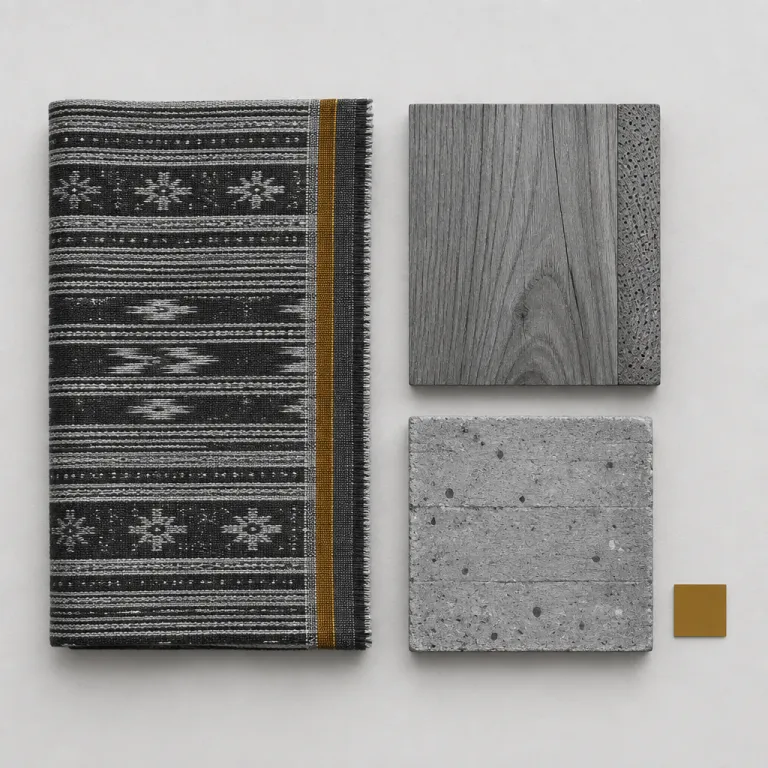
How a hotel timorleste review starts with stone, timber and light
Every serious hotel timorleste review in Dili begins long before the first night, with a close reading of façades, thresholds and how a lobby catches the sea light. When you scroll through photos of any hotel in Timor Leste, pause on the walls, floors and ceilings, because those materials quietly reveal how the owner understands this young country and its guests. A solo explorer who learns to read these clues will choose hotels with good reviews that match their values, not just their budget.
Look first at how a hotel in Timor uses concrete and glass, especially in the capital Dili where most star hotel options cluster near the waterfront and the international airport. A low slab of raw concrete softened by carved local timber screens suggests a property that respects both climate and culture, while a shiny plaza hotel tower with sealed windows may feel efficient yet detached from Timor Leste’s heat, salt and street life. When you study any hotel timorleste review, notice whether the writer talks about how the rooms handle light, noise and sea breeze, because those details matter more than an extra star on paper.
Location still shapes the material story, whether you are choosing a Dili hotel near Nicolau Lobato International Airport or a beach hotel facing Atauro Island. Properties close to the airport often lean on concrete for sound insulation from Dili Airport and Lobato International traffic, while a palm beach resort spa north of the city might use lighter timber and thatch to frame the sea. In both cases, a good hotel timorleste review will mention whether the room feels like a sealed airport apartments block or a permeable coastal retreat where you can sleep with the balcony door open for a free ocean breeze.
Tais textiles in rooms: signal of real Timor or imported theme
In Timor Leste, tais is the handwoven textile that carries clan stories, and any thoughtful hotel timorleste review should treat it as more than colourful décor. When you see tais on a bed runner, a wall panel or a cushion in hotel rooms, ask whether it comes from a named weaving group in East Timor or from a generic supplier that ships the same pattern to several hotels. A property that credits the women who wove the cloth and rotates designs from different districts is usually more serious about local partnerships than one that repeats the same anonymous motif in every room.
Scroll through photos of hotel apartments, suites and public spaces in hotels Dili wide, and zoom in on the weave itself, because the tightness of the threads and the slight irregularities often indicate genuine handwork. Some hotel timorleste review writers will note when a hotel Dili lobby displays tais with clear labels about the village of origin, turning a simple corridor into a quiet gallery that respects Timor Leste’s cultural geography. When tais appears only as a strip glued behind the reception desk of a plaza hotel, with no story and no context, it usually reads as imported theme rather than living craft.
Pay attention to how tais interacts with other materials in the room, especially timber furniture, concrete floors and the light from the beach or courtyard swimming pool. In a well considered Dili hotel, tais softens the edges of polished concrete and balances the coolness of air conditioned rooms that might otherwise feel like generic apartments near an airport. If a hotel timorleste review mentions tais framed under glass in a restaurant or resort spa treatment room, that can be a sign the staff understands both preservation and daily use, rather than treating the cloth as a disposable prop for guests’ photos.
Timber, thatch and the off-grid logic of Atauro and the coast
Leave Dili by boat for Atauro or drive along the coast toward palm beach coves, and the material palette of hotels shifts from concrete to timber, bamboo and thatch. On these shorelines, a hotel timorleste review often reads like a field note on how structures breathe, because the best beach hotel cabins rely on cross ventilation and deep verandas instead of heavy air conditioning. For a solo guest, this can mean a cooler night under a fan, with the sea as soundtrack and the reef only a short walk from the room.
Eco focused hotels in Timor Leste often use local hardwood posts, woven palm leaf roofs and raised timber decks to keep rooms above sand and spray, which also reduces the need for an additional charge in energy intensive cooling. When you compare reviews of different hotels, notice whether guests praise the way timber ages gracefully in the salt air or complain about creaking floors and gaps, because that contrast tells you how well the staff maintains these natural materials. A careful hotel timorleste review will distinguish between deliberate rusticity and simple neglect, especially in properties that market themselves as a star hotel while operating more like informal beach apartments.
Material choices also shape how you move between room, restaurant and swimming pool in these coastal hotels, where paths might be crushed coral instead of polished plaza tiles. Some resort spa complexes near palm beach stretches use timber boardwalks that echo the mangrove walkways described in guides to low tide excursions your hotel can arrange, creating a continuous experience from forest to sea. When you read any hotel timorleste review from these areas, look for comments about barefoot friendly surfaces, shaded verandas and how the rooms open to the landscape, because those details matter more than whether the property calls itself a beach hotel or a simple guest lodge.
Portuguese-era bones, plaza edges and the concrete question in Dili
Back in Dili, some of the most characterful hotels occupy Portuguese-era buildings whose thick walls and high ceilings were designed for heat long before air conditioning. A thoughtful hotel timorleste review will often highlight how these properties keep original tiles, arches and verandas while inserting modern bathrooms and quiet rooms for today’s guests. For a solo traveller, these conversions can feel like staying inside a small chapter of East Timor’s layered history rather than in anonymous apartments above a plaza.
Concrete towers around Timor Plaza and other commercial hubs tell a different story, one of rapid growth and proximity to Dili Airport and the main international airport road. When you read reviews of a plaza hotel or any Dili hotel near Nicolau Lobato, notice whether guests describe the room as a sealed box or praise good soundproofing, generous windows and a sense of the mountains or sea beyond the glass. A precise hotel timorleste review will mention if the swimming pool is carved into a concrete podium with city views or tucked at ground level behind high walls, because that affects how you will actually use the space after a long night flight.
Material choices in these urban hotels also reveal how owners think about Timor Leste’s future, especially around sustainability and local employment. Properties that use local stone in lobbies, commission tais panels for corridors and train staff to explain these elements usually invest similarly in training, safety and fair policies, which rarely appear as an additional charge line but shape every guest interaction. When a reviewer notes only glossy tiles, imported furniture and a generic restaurant menu, you can safely assume the hotel timorleste review is describing a place that could sit in any plaza near any airport, with little to anchor it in Dili or East Timor.
A three-question reading grid for your next hotel timorleste review
Before you book any hotel in Timor Leste, pause with the photo gallery and ask three material questions that sharpen your personal hotel timorleste review. First, how does the room handle climate, through its mix of concrete, timber, glass and textiles, and will that make your night comfortable without constant air conditioning. Second, where does the décor come from, especially tais, timber carvings and stone, and do reviews mention named communities or just generic “local art” scattered around the rooms.
Third, how do the public spaces connect to Dili, the beach or the hills, through verandas, courtyards, a swimming pool or a simple shaded restaurant terrace that lets guests watch daily life. When you read good reviews of hotels Dili side, notice whether guests talk about walking safely from the hotel to the waterfront, catching a taxi to the airport without stress, or feeling marooned inside a plaza with no street contact. A strong hotel timorleste review will often mention how staff guide solo guests toward local cafés, tais markets and coastal walks, which tells you as much about the property’s values as any star rating.
Material awareness also helps you read between the lines on price, especially when an additional charge appears for late checkout, airport transfers or resort spa access. If a Dili hotel has invested in durable local stone, well maintained timber and thoughtful lighting, that usually signals long term thinking rather than a quick return on a concrete shell near Lobato International. For seasonal timing and how these choices feel in different months, cross check with guidance on quiet weeks between dry season crowds, then match your own expectations as a guest to the materials that will surround you each night.
FAQ
How can I tell if a Dili hotel really supports local culture
Look for specific references to Timor Leste’s crafts and communities in hotel descriptions and reviews, not just generic “local art” claims. Properties that name the tais weaving groups they work with, explain the origin of timber carvings and train staff to share these stories usually have deeper cultural engagement. When a hotel timorleste review highlights guided visits to markets or weaving cooperatives rather than only in-house shopping, that is another strong indicator.
Are Portuguese-era hotels in Dili noisier or less comfortable than new builds
Not necessarily, because the thick masonry walls and high ceilings of Portuguese-era buildings often provide excellent thermal comfort and sound insulation. The key is how carefully the conversion has been done, especially around window glazing, bathroom installation and air conditioning. Read recent reviews that mention sleep quality, street noise and water pressure, since these details reveal more than the age of the structure.
What should I check in photos to judge room comfort before booking
Focus on three elements in every room photo set, starting with windows and how they open or close for light and ventilation. Then study the floor and wall materials, because polished tiles, bare concrete or timber all feel different underfoot and affect acoustics. Finally, look at textiles such as curtains, bed linen and any tais accents, since their quality often mirrors the overall care invested in the hotel.
Is it worth paying extra for a swimming pool or resort spa in Timor-Leste
In Dili’s heat, a well designed swimming pool with shade and comfortable seating can significantly improve your stay, especially after long days exploring or working. A resort spa that integrates Timorese wellness practices and local ingredients offers more value than a generic treatment menu. Always check whether access carries an additional charge or is included for guests, and read reviews for comments on cleanliness, crowding and atmosphere.
How close should my hotel be to Nicolau Lobato International Airport
Staying very close to Nicolau Lobato International Airport or Dili Airport is convenient for late arrivals and early departures, but it is not essential for most travellers. Dili is compact, and many central hotels are only a short drive from the airport while offering better access to the waterfront, restaurants and cultural sites. Balance your need for quick transfers against your desire to experience the city’s streets, markets and coastal walks during your stay.