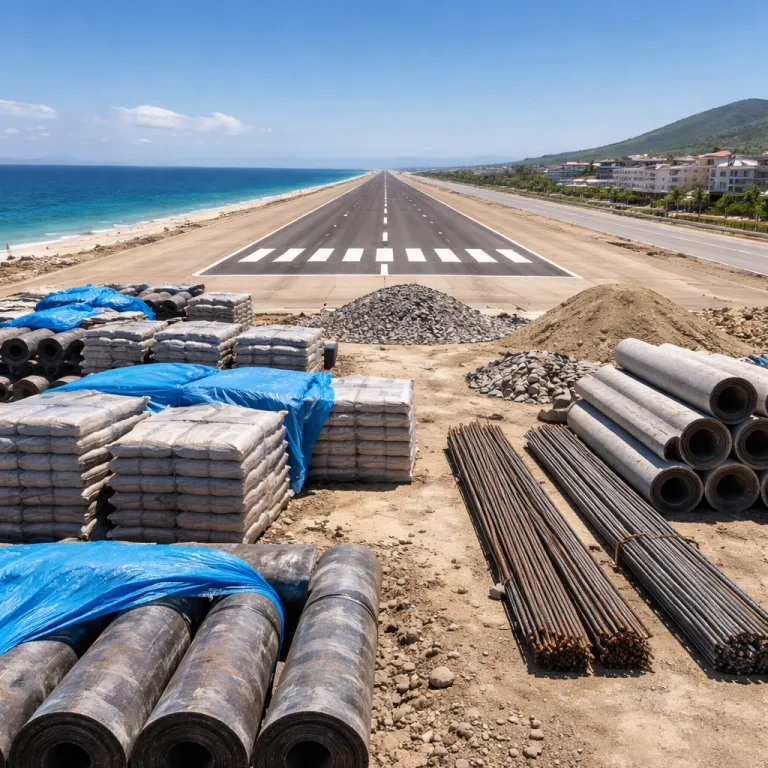
Dili’s runway extension and what it means for luxury travelers
Timor-Leste is quietly reshaping access to its capital Dili, and the change will redefine how luxury travelers plan every stay. With the Presidente Nicolau Lobato International Airport runway being extended to 3,000 metres and a one million passengers per year target on the table, the last-leg friction that has long defined travel Timor-Leste is about to ease for international travel from key Southeast Asia hubs. According to public statements from the Timor-Leste Civil Aviation Authority and Asian Development Bank project briefs on the Dili airport upgrade, construction on the runway works is scheduled through 2025, with phased commissioning expected to support larger narrow-body aircraft and higher passenger throughput from late 2025 into 2026.
Right now, most travelers route through Bali or Singapore, then connect on smaller aircraft into Dili, which keeps Timor-Leste firmly in the connoisseur category rather than the mass-market map. That routing makes the country feel remote compared with other countries in Southeast Asia, yet it also means that the best properties still operate at a calm, almost private-resort pace on most day and night combinations. Regional aviation plans discussed by the Timor-Leste Ministry of Transport and local tourism authorities indicate that airlines in Kuala Lumpur, Singapore and Bangkok are already assessing the extended Dili runway, and once direct international routes launch, premium cabins on carriers such as AirAsia, Citilink, Batik Air and potentially Singapore Airlines partners are likely to fill with business travelers extending trips into leisure stays along the island’s north coast.
For executives used to seamless international travel, the current Bali–Dili or Singapore–Dili legs rarely justify paying for full business class, so many opt for a mixed-cabin strategy to avoid fatigue. Fly business into a regional hub, then connect in economy on the short hop into East Timor, and let your chosen Dili hotel handle the rest of the journey with a private transfer and expedited check-in. As the Timor-Leste Ministry of Tourism notes in its destination briefings, “Timor-Leste offers pristine beaches, rich culture, and adventure,” and the runway expansion is designed to support that positioning by enabling more reliable schedules, better aircraft utilisation and a smoother arrival experience for high-end visitors.
Where to stay in Dili now: airport-handled luxury and executive-ready service
Dili remains the primary gateway for travel Timor-Leste, and the smartest luxury stays are those that manage the airport choreography with precision. Top properties already coordinate closely with local drivers to meet flights, navigate traffic along the waterfront areas and deliver travelers to the lobby with chilled water and a room ready, even when the Bali connection lands late. For business travelers arriving from the United States or other distant countries, that level of hand-holding matters more than an extra amenity in the room, especially after 20-plus hours of flying and multiple time zones.
When evaluating Dili hotels, look for teams that understand international travel realities, from delayed bags to last-minute visa-on-arrival questions at the immigration desk. Staff should be fluent in local laws affecting visitors, comfortable advising on which areas of the city to avoid after dark and able to arrange same-day medical care if needed, which is a real advantage in a young country where hospital capacity remains limited. Properties that work closely with the Timor-Leste Ministry of Tourism and local tourism operators tend to have better information on regional security, land border conditions with West Timor and current guidance from the Department of State and similar agencies in other countries, so they can brief guests accurately before day trips or overland journeys.
Executives extending a work trip into a long weekend should also ask hotels about practicalities that intersect with safety and comfort, such as whether they can recommend clinics familiar with international medical evacuation protocols or help guests contact Centers for Disease Control–style advisory services from their home countries. While Timor-Leste is building its medical infrastructure, travelers should carry robust travel insurance that includes evacuation coverage and clear support for health-related issues that can arise when traveling in tropical areas. The best Dili properties will not sell you insurance, but they will help you stay safe by connecting you with local medical professionals, arranging secure transport and advising on reliable water sources, food hygiene and sensible precautions for coastal excursions or highland hikes.
Top destinations beyond Dili: Ataúro Island, coffee highlands and timing your trip
Once you have a Dili base locked in, the real magic of travel Timor-Leste lies beyond the capital in a string of low-profile destinations that still feel like private playgrounds. Ataúro Island, reached by boat from Dili, offers some of the richest coral in Southeast Asia, and the limited bed count keeps tourism numbers low enough that you may share entire reef areas with only a handful of divers. Luxury here is not marble and chrome but a dive master who knows every coral head by name, clear water with visibility that can stretch for tens of metres and staff who can arrange a late boat back to the capital if your international travel plans shift or if weather delays require a flexible return.
In the interior, the coffee-growing uplands of Timor-Leste deliver a different kind of quiet luxury, with cool air, views across folded hills and the chance to taste Leste coffee at source in small local guesthouses that increasingly meet premium expectations. Roads can be rough in places, so travelers should avoid tight same-day connections and instead build in an extra day between highland stays and outbound flights from Dili, especially while the runway works continue and temporary operating hours or weather-related restrictions can affect schedules. Hotels and lodges that understand international tourism patterns will help you time your return, monitor land border updates if you are continuing overland to West Timor and coordinate with drivers who know how to handle changing road conditions in the rainy season.
Across the country, the practical side of traveling remains as important as the romance of a new destination, so plan your visa application or tourist visa-on-arrival requirements carefully and check whether your passport country has specific guidance from its own Department of State or equivalent foreign affairs office. Many travelers from the United States and other long-haul markets now combine East Timor with other countries in Southeast Asia, which makes it even more important to align travel insurance coverage, understand local laws in each state visited and keep copies of medical and vaccination records in case Centers for Disease Control–style documentation is requested. With runway expansion set to ease access and tourism poised to grow, the next 18 to 24 months are the ideal window to experience Timor-Leste’s islands, highlands and coastal areas while the balance between comfort, authenticity and crowd-free luxury still tilts decisively in your favour, and the same criteria you might apply when reviewing an urban business hotel—efficient airport transfers, safety-aware staff and thoughtful local insight—will serve you well when choosing where you will stay safe, sleep soundly and wake up to Leste coffee in Dili or beyond.