Where to stay in Timor-Leste when flat water matters
The calm north coast of Timor-Leste is where flat-water season quietly shines. From roughly May to early November, when the southeast trade winds blow offshore and southern swells fade, the sheltered strait between Dili and Ataúro Island often turns glassy. Families asking where to stay in Timor-Leste for gentle water sports suddenly have options that feel both wild and manageable. This is the stretch where you can choose a hotel in Dili with a cityfront beach or an eco lodge on a quieter island, then step from your rooms straight onto a paddleboard rack at first light.
Think of the north coast as your base layer for a family itinerary built around paddleboarding, kayaking and reef time rather than heavy surf. The question is not only where to stay in Timor-Leste, but which properties along this coast understand that a flat morning sea is as valuable as a pool or a kids’ menu, and that mid range comfort with reliable hot water and air conditioning can still sit right on a working beach. When you search online for hotels in Dili or a resort on Ataúro Island, you are really choosing between urban convenience, island quiet and how easily your children can carry a paddle down to the shore.
Dili itself anchors this decision, because most flights land here and many premium travelers spend at least one night in the capital. A well located hotel on the Dili waterfront, near Timor Plaza or the main seafront road, lets you test the conditions, check the Dili view of the strait and decide whether your family is ready for the shorter crossings and longer days that an eco resort on Ataúro or a guest house in Baucau Timor will require. For a trip focused on flat water, the smartest where to stay in Timor-Leste strategy is to treat Dili hotels as your staging ground, then commit to at least several nights on the island or in a quieter coastal town.
Reading the north coast: when and why the water goes flat
Flat-water season on Timor-Leste’s north coast is less a fixed calendar and more a pattern of wind, swell and local knowledge. In practice, June to September is usually the most reliable window, with early mornings often showing winds below 10 knots and only a faint ripple under your board as you paddle past fishing canoes. The Timor Sea still breathes, but the strait between Dili and Ataúro Island is often sheltered enough that dawn can feel like a lake. Families planning where to stay in Timor-Leste for calm conditions should aim for the drier months, when rain run-off is lower and visibility for reef snorkelling from your lodge steps improves dramatically.
Lessons from other flat-water destinations translate well here, even if the names differ. Rangers in protected estuaries in Northern California talk about seasonal closures for seal pupping, and one official answer there is clear: "When does Drakes Estero reopen for boating? July 1 each year" — the principle is that wildlife and safety shape the paddling calendar more than human preference. In Alaska, lodge owners note that "Do lodges in Alaska include paddle gear? Yes, many wilderness lodges offer kayaks/SUPs for guests", and in Timor-Leste the best eco resort or eco lodge operators are moving in the same direction, folding kayaks and stand up paddleboards into the nightly rate so that families can slip out whenever the wind drops.
On the ground in Timor-Leste, that means asking precise questions before you book, especially if you are comparing a Dili hotel with a mid range island resort. Check whether the property tracks local forecasts, whether staff are trained to read the currents off Beloi Beach or near Cristo Rei, and whether they recommend specific times of day for children on the water. One Dili-based guide summed it up simply: "If you see whitecaps from the hotel balcony, wait for tomorrow." For deeper planning around shoulder seasons and how flat-water days pair with reef life, guides to late August in Timor-Leste and why those shoulder weeks are underrated, such as the analysis on late August conditions before the rains, help you match your stay to the most forgiving sea state.
Dili to Ataúro Island: lodges that actually lend the gear
Once you understand the rhythm of the north coast, the next question is where to stay in Timor-Leste if you want paddleboards and kayaks waiting on the sand rather than in a rental shop across town. In Dili, a handful of premium properties along the waterfront function almost like small resorts, with direct beach access, a Dili view of the strait and staff who can arrange kayaks by the hour, though the gear is often outsourced. Families who prefer predictability may still choose a central Dili hotel near Timor Plaza, then use local operators for day trips, but that means loading children and paddles into vehicles instead of walking from rooms to water.
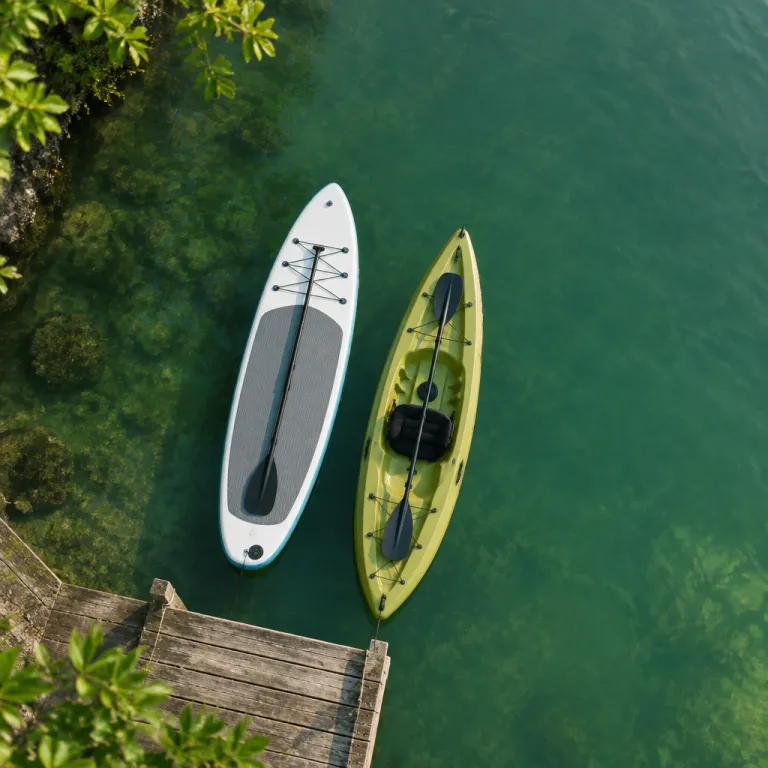
The real flat-water magic for families happens once you cross to Ataúro Island and settle into a resort or eco lodge that treats paddle craft as part of the landscape. The public ferry from Dili to Ataúro typically runs several times a week in the dry season, taking around two to three hours depending on the vessel, and private speedboats can cut that to about one hour when seas are calm. On Beloi Beach, several small properties now keep a modest fleet of kayaks and stand up paddleboards on the sand, free for guests to use whenever the sea is calm, and some pair this with a house reef that doubles as a training ground for first snorkels. When you read the view details on booking pages, look for explicit mentions of included kayaks, life jackets sized for children, and staff who can brief you on currents around Beloi and the nearby dive resort sites.
Further along the coast, a few eco resort style lodges blur the line between dive operation and family base, offering both guided dives and casual paddling in the same sheltered bay. These are the places where a parent can take one child for a short paddle at night under a bright moon, while another joins a guided dive the next morning, all without leaving the property. For quieter alternatives, Baucau Timor has guest house options on the cliff above the beach, where you trade immediate board access for a wider mid range of restaurants and the slower pace of an older town, and you can still arrange kayaks through local contacts recommended by hotels in Dili or by your Ataúro hosts.
For those pairing flat-water days with marine life, it is worth reading an hour by hour account of a whale watching day from Ataúro and what the pygmy blue migration looks like in practice, such as the field report on a whale watching day from Ataúro. When you combine that with insights on the quiet weeks between the dry season crowds and the whale rush, as outlined in the guide to September in Timor-Leste, you can time your stay so that paddleboarding, kayaking and wildlife all align.
Family friendly paddleboarding and kayaking: what to ask before you book
For a premium family, the right property on Timor-Leste’s north coast is not just about a good Dili view or a pretty beach. It is about whether the lodge or hotel has thought through the full chain of family needs, from stable boards and correctly sized paddles to hot water showers and air conditioning that actually works after a long day in the sun. When you compare mid range options in Dili hotels, an eco lodge on Ataúro Island and a guest house in Baucau Timor, you are really comparing how each handles safety, comfort and logistics for children who will be in and out of the sea all day.
Before you commit, ask for clear details about the paddle gear itself, because not every resort or eco resort uses equipment suited to smaller paddlers. Request photos of the kayaks and stand up paddleboards, and ask whether they have child sized personal flotation devices, spare paddles and a shaded area on the beach where kids can rest between sessions. When a hotel on the Dili side or a coastal lodge says that kayaks are available, follow up with a short list of questions about supervision policies, whether staff accompany younger children on the water, and whether there is a safe, shallow zone marked out in front of the property.
It is also worth clarifying how the property handles timing, because flat-water windows can be short and precious. Ask whether staff will wake you for an exceptional calm morning, whether they track local currents off Beloi Beach or near Cristo Rei, and whether they can suggest alternative activities if the wind picks up, such as reef snorkelling from shore or a visit into Dili or Baucau. Families who value flexibility often split their stay between a Dili hotel with easy access to restaurants and Timor Plaza, and an island resort where the entire day’s range of activities — paddleboarding, kayaking, snorkelling and simple beach play — happens within a few hundred metres of their rooms.
Safety, pairing reef days and planning your north coast itinerary
Flat water does not mean risk free, especially when you are paddling in a strait that can funnel currents between Timor and the wider sea. The first safety layer is timing: go early, when the wind is lowest, the sun is softer and local fishing boats are still close to shore, and keep children within a short paddle of the beach or jetty. The second is equipment, which means insisting on life jackets for every family member, checking that kayaks have no cracks and that paddleboard leashes are intact before you leave the sand.
Pairing paddle days with reef snorkelling is where the north coast of Timor-Leste really earns its place on a family itinerary. Many eco lodges and dive resort operators on Ataúro Island sit directly over coral gardens, so you can paddle out over the drop off in the morning, then drift back with a mask and fins in the afternoon, watching parrotfish graze below while the board floats beside you. In Baucau Timor, the pattern is different — you may stay in a guest house on the cliff, drive down to the beach for a morning paddle, then spend the heat of the day in the shade before returning for a final swim at night under a sky that feels close enough to touch.
When you sketch your itinerary, think in terms of zones rather than a long list of towns. Start with at least one night in a comfortable Dili hotel, ideally one of the hotels in Dili with reliable air conditioning and hot water, so everyone recovers from the flight and you can test the local beach for a short paddle. Then move to Ataúro Island for several nights at a resort or eco resort that includes paddle gear, reef access and simple, robust rooms, before finishing with a quieter stay in Baucau Timor or another coastal town where the range of activities shifts from constant water time to slower walks, markets and views back across the island of Timor and the sea that frames it.
FAQ
When is the best time for flat-water paddleboarding on Timor-Leste’s north coast ?
The most reliable flat-water conditions on the north coast generally fall in the drier months, when winds are lighter and river run-off is lower. Early mornings are usually calmest, especially in the strait between Dili and Ataúro Island, so plan family paddle sessions for the first hours after sunrise. Shoulder periods around late dry season can be excellent for both flat water and reef visibility, as long as you remain flexible and check local forecasts with your lodge.
Should I base my family in Dili or on Ataúro Island for paddling ?
Dili works well as a practical base, with a wider range of hotels in Dili, easy access to Timor Plaza and quick logistics for arrivals and departures. It suits families who want urban comforts, mid range dining and the option to arrange day trips for kayaking rather than committing to a full resort stay. Ataúro Island is better if you want paddleboarding and kayaking woven into daily life, with eco lodges and dive resort style properties that keep boards on the beach and house reefs directly offshore.
Do lodges in Timor-Leste usually include kayaks and paddleboards in the room rate ?
Some eco resort and eco lodge operators on the north coast now include unlimited use of kayaks and stand up paddleboards for guests, following a model seen in wilderness lodges elsewhere. Others treat paddle gear as a paid extra or rely on third party rental providers, especially in Dili where space is tighter. Always ask for clear details before booking, including whether life jackets, child sized paddles and basic instruction are part of the offer.
Is paddleboarding safe for children in the Dili to Ataúro strait ?
Children can paddle safely in the Dili to Ataúro strait when conditions are calm, distances are short and adults maintain close supervision. Choose sheltered bays, stay near the beach and avoid crossing open channels, especially when currents are running or wind lines appear on the water. A good lodge or hotel will advise on safe zones, provide appropriate safety gear and may offer staff escorts for younger paddlers.
How can I combine paddling with snorkelling and other activities for a full family stay ?
The easiest way to combine activities is to choose a property with both flat-water access and a healthy house reef, particularly on Ataúro Island where many dive resort operators also welcome families. Plan mornings around paddleboarding or kayaking, then shift to snorkelling when the sun is higher and visibility is best, using the same entry point from the beach or jetty. In Dili and Baucau Timor, you can add cultural visits, markets and short walks, such as the climb to Cristo Rei, to balance water time with onshore experiences.