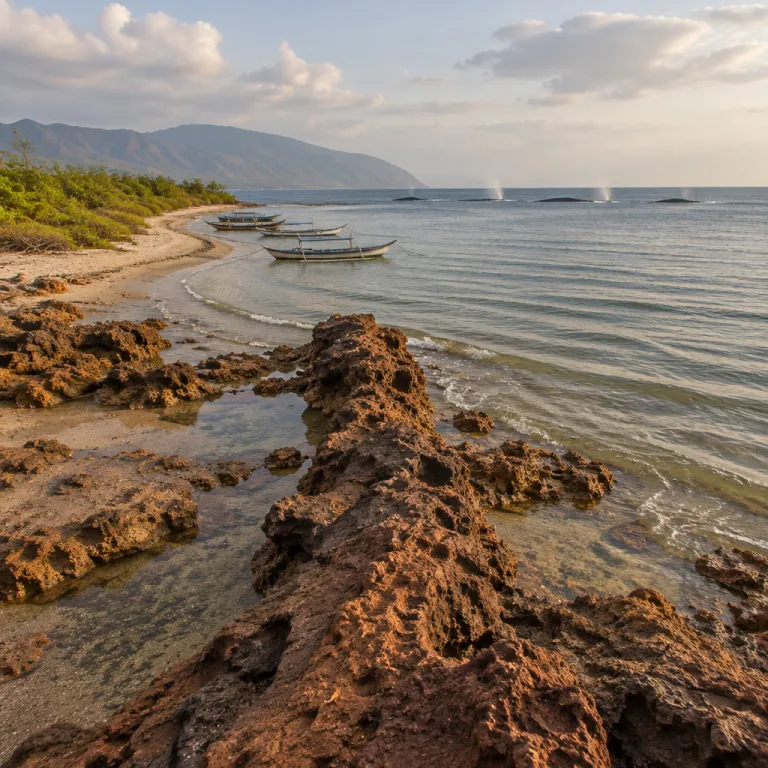
Setting up a luxury stay in Timor-Leste for whale season
Planning a luxury stay in Timor-Leste around the pygmy blue whale migration usually starts in Dili, where international flights land and the waterfront sets the tone. In the capital, couples often balance business and leisure commitments with a few extra days, using a refined hotel in Dili as a soft landing before heading offshore. The city’s compact scale means your chosen hotel, the beach road, and the small marina sit within a short drive, so the transition from airport to ocean feels effortless.
For a premium base, look at established hotels near Timor Plaza, where a plaza-style property offers modern rooms and reliable service. Many travelers pair one night at Hotel Timor or another central hotel in Dili with a transfer to Atauro Island the next morning, using the first evening to adjust, unpack, and check whale-watching conditions with local operators. If you prefer to stay near the water, a beach hotel along the Dili waterfront gives you sunset views across the bay and a quick hop to the boat pier at dawn.
Inside these hotels, ask for a deluxe room with a balcony facing the sea, so you can watch the light change over the Timor-Leste coastline. Spacious rooms with a calm palette, strong air conditioning, and a quiet bar downstairs make jet lag far easier to manage before an early start. Couples who need to work remotely should confirm that their room or serviced apartment is fully equipped with stable Wi‑Fi, a proper desk, and enough outlets for cameras and dive computers.
Many premium hotels in Dili cluster around Timor Plaza, where you can pick up last-minute gear. Before heading to Atauro Island, walk through the plaza to stock reef-safe sunscreen, motion-sickness tablets, and light layers for the boat, then settle into a café such as Caffè Cino–style venues for a quick espresso. This short urban pause anchors your luxury Timor-Leste stay, letting you move from city to sea with intention rather than rushing straight to the resort boat.
From Dili to Atauro Island: where luxury meets the strait
The real shape of a whale day begins with the crossing from Dili to Atauro Island, usually just after sunrise when the sea is calmer. Couples staying in a resort hotel on the Dili waterfront are often collected at the lobby, then driven a few minutes to the small pier, where a modern boat waits with life jackets, a shaded upper deck, and a captain who knows the Ombai–Wetar Strait intimately. This is where a thoughtful, high-comfort approach matters, because feeling relaxed on the crossing sets the tone for the long hours of scanning ahead.
Onboard, you will likely share the deck with a handful of other guests, not busloads, which keeps the experience quiet and focused. The crew gives a safety briefing, explains how pygmy blue whales move through the channel, and outlines responsible viewing etiquette, including why the boat will never chase or cut across a whale’s path. Expect a slow, deliberate ride north of around 60 to 90 minutes, with the skyline of Dili shrinking behind you and the outline of Atauro Island rising ahead, framed by palm-covered ridges and white sand coves.
Many couples choose to base themselves at a small resort or beachfront bungalows on Atauro Island for several nights, rather than day-tripping from the mainland. Properties here lean into the island’s natural drama, with rooms that open toward the sea, simple but fully equipped bathrooms, and often a balcony or veranda that catches the trade winds. A few stays offer apartments or twin-room configurations for friends traveling together, while others focus on spacious bungalows that suit couples who want privacy after a long day on the water.
To weave whales into a broader itinerary, plan at least one full day for diving or snorkeling the reefs that make Timor-Leste famous among marine biologists. Local dive centres can help you combine a two-day meeting in Dili with a long weekend on Atauro, turning a work trip into a richer business-leisure escape, with whales in the channel and coral gardens beneath your fins. This combination of structured whale watching and unhurried reef time is what elevates a luxury Timor-Leste holiday from a single excursion to a layered, romantic journey.
Hour by hour on the water: what the pygmy blue migration feels like
Once you are based on Atauro Island, a typical whale-watching day starts early, often around 06:00, when the air is cool and the sea glassy. You step from the beach or a small jetty onto the boat, coffee in hand, while the crew stows dry bags and checks radios, then the bow turns toward the deep blue line of the Ombai–Wetar Strait. Within thirty minutes, the island’s reef shelf drops away beneath you, and the search for pygmy blue whales, sperm whales, and dolphins begins in earnest.
The next few hours are about patience and pattern recognition, not constant action. Guides scan the horizon for blows, fluke prints, and bird activity, explaining how pygmy blue whales often surface in a predictable rhythm, with several short dives followed by a longer one that can last many minutes. You might spend an hour with nothing but flying fish and distant frigatebirds, then suddenly the call goes up, and everyone moves quietly to one side as a long, slate-blue back arcs through the water just ahead.
Responsible operators in Timor-Leste keep a respectful distance, cutting engines or idling so the whales can choose how close to approach. You will not be jumping into the water with them here, and that restraint is precisely what protects both the animals and the atmosphere on board. The payoff is a series of unhurried passes, where you can watch the mottled skin, the small dorsal fin, and the powerful tail of a pygmy blue whale without the chaos of boats jostling for position.
Between sightings, the day settles into a rhythm of scanning, storytelling, and quiet stretches where couples lean against the rail, feeling the scale of the strait. This is when a well-designed boat, with shaded seating, a small bar-style cooler for cold drinks, and enough space to move, becomes part of the luxury Timor-Leste experience. For a deeper sense of how properties on land echo this attention to materials and mood, look for hotels that use local timber, tais textiles, and considered concrete details long before you see your room.
Folding whales into a wider luxury stay: pools, springs and city nights
After several hours at sea, the boat returns to Atauro Island in the early afternoon, when the sun is high and the water warm. Many resorts and guesthouses here offer a swimming pool or plunge pool where you can float the salt off, though the real luxury is often a simple rinse followed by a nap under a palm tree. Couples who prefer more structure can add an easy shore dive or snorkel, trading the vastness of the strait for the intricate reef walls that sit just metres from the beach.
Back on the mainland, some travelers like to book a final night in Dili to decompress before flying out. A resort-style hotel with a large pool, spacious rooms, and a calm bar lets you transition from island time to airport mode without losing the sense of ease you built offshore. If you choose a property near Timor Plaza, you can walk to cafés such as Caffè Cino–style spots, pick up last souvenirs, and enjoy one last plate of grilled fish before packing.
Room selection matters here, especially for couples who value privacy and comfort after long days in the sun. Look for a deluxe room or twin-room option with blackout curtains, strong air conditioning, and a balcony that faces either the sea or a quiet courtyard, rather than the main road. Some hotels in Dili offer serviced apartments with kitchenettes, giving you the flexibility to prepare light meals and stretch your stay into a longer Timor-Leste escape without feeling confined to a single room.
While Timor-Leste does not have natural hot-springs resorts on the scale of Palm Springs or a classic springs-hotel destination, you will hear those comparisons from travelers who appreciate the dry climate and clear light. The difference is that here, your sunset drink by the pool comes with views of Cristo Rei on the headland and the knowledge that pygmy blue whales are passing just offshore in the same season. For a curated overview of where to book the most memorable hotels and resorts across Timor-Leste, including beach hotel options and refined Dili addresses, speak with local specialists who track openings and seasonal whale movements.
FAQ
How long does a whale-watching day from Atauro Island usually last ?
Most whale-watching days from Atauro Island run between six and eight hours door to door. You typically leave just after sunrise, spend several hours in the Ombai–Wetar Strait scanning for pygmy blue whales and other species, then return to shore by early or mid-afternoon. Couples should plan their meals and energy around a full day on the water, even if actual whale encounters occupy only part of that time.
What species can we realistically expect to see during the pygmy blue migration ?
During peak migration in Timor-Leste, generally between September and November according to regional marine surveys, the most sought-after species is the pygmy blue whale moving through the deep channel between Dili and Atauro Island. Sightings can also include sperm whales, melon-headed whales, pilot whales, and several dolphin species such as spinner and Risso’s dolphins. Operators will always be honest about conditions, but you should arrive expecting a day of searching, with any whale encounter treated as a privilege rather than a guarantee.
Is whale watching from Atauro physically demanding for couples ?
The experience is more about endurance and balance than athletic fitness, because you spend many hours on a moving boat in open water. You will need to be comfortable stepping from a jetty or beach into the vessel, climbing short ladders between decks, and standing to scan the horizon when whales are near. If either partner is prone to seasickness, consider medication, stay hydrated, and choose a larger, more stable boat as part of your hotel or resort package.
What should we pack for a comfortable whale-watching day in Timor-Leste ?
Pack light, breathable clothing, a long-sleeved layer for sun protection, and a hat that can be secured against the wind. Reef-safe sunscreen, polarized sunglasses, and a dry bag for cameras or phones are essential, along with any personal medication and a refillable water bottle. Many higher-end operators provide snacks and drinks, but couples who like specific foods should bring their own to keep energy steady throughout the day.
Where should we stay to combine whales, diving and city time in one trip ?
A balanced itinerary usually includes one or two nights in a central hotel in Dili, several nights at a resort or beachfront lodge on Atauro Island, and an optional final night back in the capital. This pattern lets you enjoy city restaurants, a beach-hotel sunset, and the convenience of Timor Plaza before and after your island time. Choosing properties with spacious rooms, a pool, and reliable transfers between Dili and Atauro makes the whole luxury Timor-Leste experience feel seamless.