Luxury hotels in Timor-Leste for food-focused couples
Luxury hotels in Timor-Leste are finally treating the plate as seriously as the view. In Dili, leading star hotel kitchens now use salt, smoke, and sambal as a flavour grammar that defines every elevated stay, from welcome snacks to late night room service. Couples choosing luxury accommodation can expect hotel chefs to translate Timorese traditions into polished dining experiences that still feel rooted in Timor-Leste rather than in a generic resort anywhere.
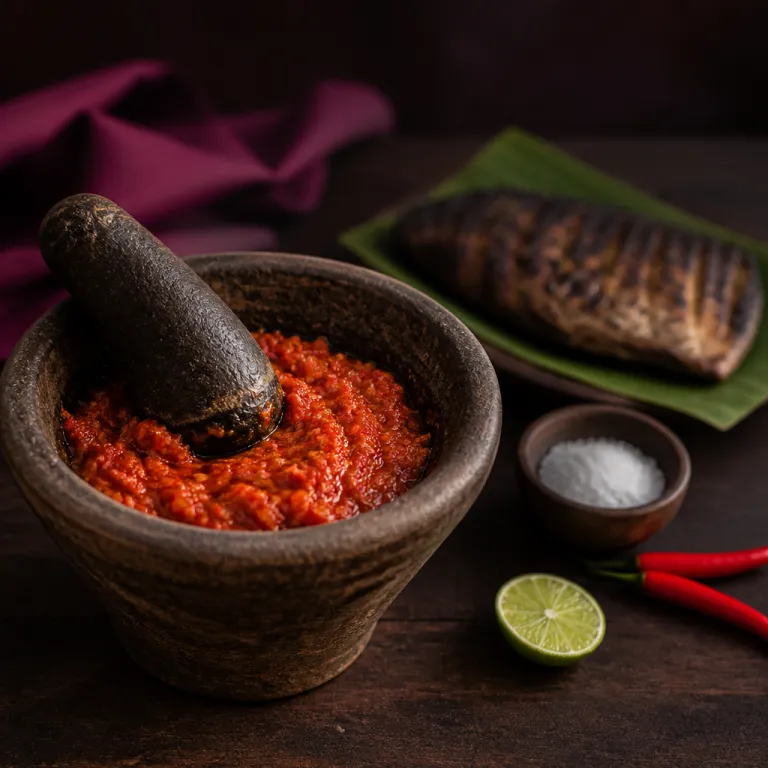
Most premium hotels in Dili work closely with local farmers and fishermen, so the same rice and maize that anchor village meals appear in refined tasting menus. At Hotel Timor, for example, the kitchen buys vegetables directly from the Taibesi market, while chefs at Plaza Hotel Dili source reef fish from small boats that land at dawn. Timorese hotel chefs rely on smoking, salting, and freshly pounded sambal to enhance flavour, preserve food, and reflect cultural heritage, and this culinary practice now shapes how a resort offers its signature menus to international guests. When you book a hotel Dili property through a curated platform or specialist agency, you are not just choosing rooms and a pool, you are choosing how deeply you want to taste Timor itself.
In the capital, a luxury hotel might plate grilled reef fish over smoky batar da’an corn porridge, while a sister resort on Ataúro Island serves the same fish with charred palm heart and citrus. At Timor Plaza Hotel & Apartments, a couple can share octopus skewers brushed with coconut smoke, then walk straight back to their room. These hotels understand that guests arrive for the beach and the island sunsets but stay for the dining, especially when each room category, from compact twin to presidential suite, can order the same thoughtful cuisine. The best properties in Dili now treat their restaurants as serious destinations, not just convenient hotel dining rooms for tired travellers.
The Timorese flavour grammar in hotel kitchens
Salt, smoke, and sambal are not trends in Timor-Leste hotel kitchens, they are the backbone of flavour. Smoking meat over wood fire once kept food safe in the dry Timorese climate, and that same technique now perfumes grilled octopus at a resort restaurant overlooking the Dili waterfront. One chef at a boutique hotel near the harbour describes it simply: “If you smell smoke on the breeze, you know dinner is close.” When you taste a sambal made in a mortar and pestle, you are tasting the same heat that seasons family tables far from any hotel.
Hotel chefs in Dili explain it simply to curious guests at the counter. “What is sambal? A spicy chili paste used in Southeast Asian cuisine,” they say, before adding that the Timorese version leans on local lime, tamarind, and sometimes roasted coffee for depth. That last twist matters, and couples who care about provenance often read guides on Timorese coffee from cherry to hotel cup before they choose where to stay and sip their morning espresso.
In luxury hotels Timor-Leste wide, the same flavour grammar appears in both deluxe tasting menus and relaxed poolside snacks. A guest in a standard room might order grilled prawns with smoked salt and bright sambal, while a presidential suite couple enjoys a private pool terrace dinner built around slow smoked goat and maize. At Discovery Inn’s Diya Restaurant in Dili, for instance, a tasting menu might move from cassava fritters with lime sambal to coffee-rubbed beef, each course explaining a different corner of the country. Across these hotels, the goal is consistent, to offer an experience where every stay feels like a lesson in Timorese flavour rather than a safe international default.
From fishermen to five-star plates in Dili and Ataúro
On the waterfront of Dili, the supply chain for hotel seafood begins long before breakfast service. Local fishermen land their catch at first light, and hotel Dili purchasing teams select reef fish, squid, and lobster that will appear on menus the same evening. At the small Comoro fish market, a sous-chef from a seafront hotel might tap a tuna’s side, checking for firmness while the air smells of salt and charcoal from nearby grills. This direct relationship keeps dining fresh and also anchors luxury hotels Timor-Leste firmly in the surrounding community.
Out on Ataúro Island, the connection between reef and restaurant is even tighter, and couples who care about marine life often read a guide to three properties where the reef starts at your doorstep before choosing their resort. Here, an eco minded retreat offers grilled fish marinated in lime and sambal, served under palm fronds with beautiful views back towards the mainland. At Barry’s Place, for instance, the daily menu depends on what the boats bring in, so a couple might eat coral trout one night and squid the next. The island setting encourages slow dinners, long conversations, and a stay that feels shaped by the tides as much as by the hotel schedule.
Back in Dili, some hotels near Cristo Rei beach serve clams steamed with white wine and Timorese herbs, a quiet nod to Portuguese influence. A star hotel with a fully equipped open kitchen might smoke tuna over coconut husk, then finish it with a bright chili relish that answers the question “Are traditional Timorese dishes spicy? Yes, they often incorporate chili peppers.” Whether you book a simple room or a top floor presidential suite, the best hotels treat seafood as a signature of place, not just another protein on the grill.
Portuguese echoes and modern plates for couples
Timor-Leste’s colonial history still whispers through hotel menus, especially in Dili where Portuguese recipes meet local ingredients. A luxury accommodation near the waterfront might serve caldo verde with local greens and chouriço made from Timorese pork, turning a rustic soup into a refined first course. Pastéis filled with spiced tuna or coffee custard appear at afternoon tea, bridging European technique and island produce in a way that suits slow romantic stays.
Timorese hotel chefs are increasingly confident about this fusion, and many hotels offering traditional cuisine now weave Portuguese elements into their menus without losing local identity. At one resort, a chef plates grilled octopus over maize puree instead of potato, then finishes it with smoked paprika oil and a bright sambal, a dish that captures both Timor-Leste and Lisbon on a single plate. At another Dili property, bacalhau is reimagined with local cassava and sweet potato, proving that imported ideas can still taste of the island. Couples lingering by the pool can order shared plates that echo these flavours, turning a simple lunch into a tasting tour of the country’s layered history.
Wine lists in the better hotels now sit comfortably beside serious coffee programs, so a stay can move from sunset vinho verde to a single origin espresso without leaving the property. Guests who plan their trip around both diving and dining often consult the June dive calendar for visibility and currents, then book the hotel whose restaurant feels as carefully curated as its reef access. In this way, luxury hotels Timor-Leste transform from mere places to sleep into hubs where history, flavour, and ocean adventures intersect for travelling couples.
Where hotel dining goes truly local
Not every hotel in Timor-Leste pushes beyond safe international menus, but the ones that do are worth crossing an island for. In Dili, a handful of properties now host cooking classes where guests learn to pound sambal, wrap fish in banana leaves, and understand why smoking meat is traditional in Timor: it preserves meat in the island’s dry climate. At one seafront hotel, couples start the class by toasting spices in a clay pan while the instructor explains how each village seasons its sambal differently. These sessions turn a standard resort stay into an experience that couples remember long after the flight home.
On Ataúro Island, eco conscious resorts lean into plant forward dining, serving cassava leaves braised with coconut, grilled maize, and salads built around foraged greens. Here, a guest in a twin room and a presidential suite couple eat the same menu, proof that thoughtful dining is not reserved only for the highest room category. Some properties publish a clear sourcing and sustainability statement, explaining how every resort offers seasonal dishes that support local farmers and respect the reef.
Across the country, from a compact hotel Dili address to a remote island retreat shaded by palm trees and natural springs, the best hotels treat food as their quiet manifesto. Menus highlight coffee from nearby highlands, sambal made in house, and smoked meats that speak of village hearths rather than corporate concepts, and every stay becomes a tasting of Timor itself. On curated booking sites, you may notice discreet notes such as “all rights reserved” or a generic email protected contact, but behind that legal language lies a simple promise, that your rooms, your pool, and your plate will all carry the same sense of place.
FAQ
How spicy is Timorese food in luxury hotels?
Timorese dishes in luxury hotels Timor-Leste tend to be moderately spicy, with heat coming mainly from sambal served on the side. Guests who prefer milder flavours can simply use less sambal or request adjustments from the kitchen. Chefs are used to tailoring spice levels for international travellers while keeping the core flavours intact.
Can I try traditional dishes in Dili hotel restaurants?
Most upscale hotel Dili properties now feature at least a few traditional dishes on their menus, such as batar da’an corn porridge, grilled reef fish, or smoked meats. Some hotels go further with tasting menus that explore regional variations from across Timor-Leste. Asking the staff for the most local options is the easiest way to build an authentic meal.
Are hotel restaurants in Timor-Leste suitable for romantic dinners?
Many hotels in Dili and on Ataúro Island design their dining spaces with couples in mind, offering candlelit terraces, beachside tables, or private balcony service. Booking a deluxe room or a presidential suite often unlocks options for in room dinners or secluded spots by the pool. It is worth emailing the property in advance to arrange a special setup for anniversaries or proposals.
Do Timorese hotel kitchens cater to dietary restrictions?
Higher end hotels and resorts in Timor-Leste are increasingly accustomed to vegetarian, vegan, and gluten free requests, especially in Dili and on Ataúro Island. Because menus rely heavily on fresh seafood, rice, maize, and vegetables, chefs can usually adapt dishes without losing their Timorese character. Informing the hotel at booking stage helps the kitchen plan suitable options for your stay.
Is it safe to eat street food if I am staying in a luxury hotel?
Many travellers combine hotel dining with carefully chosen street food stalls in Dili, especially for grilled fish and simple snacks. Hygiene standards vary, so follow local crowds, choose busy vendors, and avoid items that have been sitting out too long. If you are unsure, ask hotel staff for specific recommendations near your hotel, as they often know which stalls are reliable.