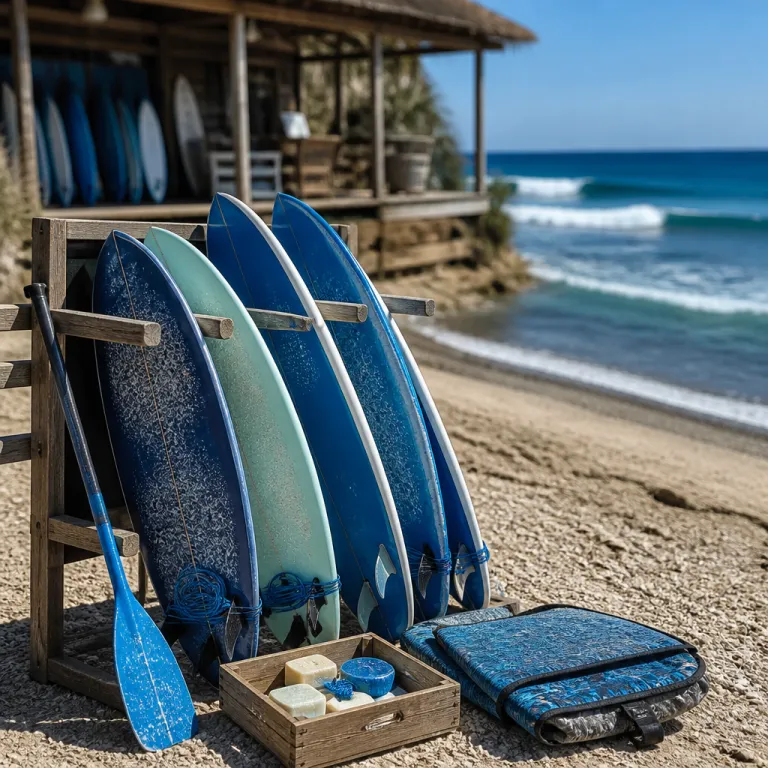
South coast swell: why the June to August window matters
On Timor-Leste’s south coast, June to August brings a reliable dry-season pulse that quietly reshapes how serious surfers plan their travel timorleste. During this window, average wave height hovers around 6 feet, water temperatures sit near 28 °C, and the long-period swell lines that miss crowded Indonesian points finally meet empty reef set ups in this young country. For hotel guests who want waves without the circus, this is the best time to align a stay with consistent surf, warm water, and the kind of uncrowded lineups that feel rare in Southeast Asia.
The focal zone runs from the Suai area in Covalima eastward along the south coast, where the Indian Ocean pushes clean swell toward a series of still unmapped breaks in Timor-Leste. South of Dili, the road drops away from the capital and the country feels wilder, with only a few local villages and almost no formal tourism infrastructure between coves. This is where leste travel becomes frontier surf travel, and where you will rely on local authorities, surf instructors, and hotel concierges rather than glossy surf maps or mass-market tour desks.
Conditions in this part of East Timor reward intermediate and advanced surfers who are comfortable with reef entries, shifting channels, and minimal public transportation. Paddling out over coral requires reef-safe sunscreen, booties, and a realistic assessment of your own safety and security, especially when the nearest clinic may be a long day’s drive away. Hotel guests should speak with local surf schools and guides before they visit, because “When is the best time to surf in Timor-Leste? June to August during the dry season.”
Reading the breaks and matching them to your level
Think of the south coast as a chain of potential rather than a polished surf park, where each headland and river mouth in Timor Leste hints at a different style of wave. Around Suai, sand-bottomed sections can soften the power for confident intermediates, while sharper reefs further east suit advanced riders who already understand how to handle 6-foot sets on shallow ledges. Local surf instructors and hotel partners are the key actors here, using paddling out, catching waves, and riding to shore as a shared language with visiting people who may be new to the country.
Because formal surf charts barely touch this coastline, you will lean on local knowledge in both singular and plural forms — one trusted guide, several trusted drivers, and hotel staff who know which river crossings are passable on any given day. Many of these guides grew up along the south coast of East Timor and can read subtle shifts in wind and tide that never appear in international forecasts. They also understand safety and security realities, from where mobile coverage drops to which stretches of road are best avoided after dark, and they will coordinate with local authorities if an emergency arises.
For solo explorers planning travel timorleste, this means booking accommodation where staff are comfortable arranging surf logistics rather than simply pointing at a map. Ask whether the property works with local surf schools, whether they can arrange a 4x4 to reach remote beaches, and how they handle travel health concerns such as minor reef cuts. When a hotel can speak clearly about travel advisories, travel insurance expectations, and how they liaise with embassies and consulates in Dili, it signals a level of professionalism that matters on a coastline still finding its place in global tourism.
Where to stay: from Dili basecamps to south coast hideaways
Most luxury and premium hotel options still cluster in Dili, which makes the capital a practical base for the first and last day of any surf focused travel timorleste. High-end properties here offer strong air conditioning, reliable Wi-Fi, and concierge teams who understand both international expectations and the realities of a young country where infrastructure is evolving. From Dili, you can arrange private transfers toward the south coast, then return to the city for a final night of comfort, good coffee, and a debrief over a sunset drink.
Reaching Timor-Leste remains part of the adventure, and your choice of flights and visa arrangements will shape how you structure your stay. Before you book, study a detailed guide to how to get to Timor-Leste, including new flights and visa rules, then coordinate arrival and departure days with the June to August swell window. Many travelers from the United States and other international markets enter via Bali or Darwin, so factor in layovers, tourist visa requirements, and whether you qualify for visa on arrival when you plan your first surf session.
On the south coast itself, accommodation remains basic but is slowly improving, with a handful of guesthouses and small lodges experimenting with surf-friendly services. Some properties now offer secure board storage, early breakfast for dawn patrol, and packed lunches for long day trips to remote beaches in Timor Leste. When you book, ask specific questions about hot water, generator schedules, and whether the property can help with emergency transport back to Dili or to a clinic, because public transportation options are limited and you will want clarity before you commit.
Luxury expectations in an emerging surf frontier
Luxury in East Timor’s surf zones is less about marble bathrooms and more about reliability, safety, and access, especially for solo travelers who value independence. A premium stay here means a hotel that can arrange a trusted driver, connect you with vetted local surf instructors, and brief you on current travel advisory updates before you head south. It also means staff who understand travel health basics, from hydration in tropical heat to what to do if a guest experiences a reef cut or minor injury far from Dili.
When you evaluate properties for travel timorleste, look beyond room photos and focus on operational competence. Ask how the hotel tracks travel advisories from the Department of State and other international sources, and whether they have a clear protocol for contacting local authorities in case of emergency. In a country where embassies and consulates are concentrated in the capital, a hotel that knows how to reach your embassy or consulate quickly can make a real difference if your passport is lost or if you need urgent assistance.
Insurance is another quiet marker of sophistication, and the best properties will proactively remind guests to carry comprehensive travel insurance that covers surfing and remote evacuation. Staff should be comfortable explaining that travel insurance is separate from any local coverage, and that policies should include medical care, emergency evacuation, and trip interruption. When a hotel can speak fluently about these details, it signals a level of professionalism that aligns with the expectations of discerning travelers from the United States and other mature tourism markets.
Ataúro Island, kitesurfing winds, and the Timor Sea luxury arc
While the south coast draws surfers during the June to August swell window, Ataúro Island to the north offers a complementary rhythm for divers, snorkelers, and wind-sport enthusiasts planning broader travel timorleste. Ataúro Island sits just off Dili, reachable by boat, and its calm leeward side contrasts with the more exposed Timor Sea swells that shape the south. Many travelers now split their time between a few intense surf days on the south coast and a quieter stay on Ataúro, where coral gardens and coffee-scented village mornings soften the edges of a high-energy trip.
From May to September, kitesurfing conditions along parts of the coast can be excellent, adding a wind-sport dimension to East Timor’s tourism potential. While formal kitesurf schools remain limited, a few local operators and hotel partners are beginning to experiment with foiling and kite setups, especially where wind funnels between headlands. For solo explorers, this means you can design a leste travel itinerary that blends surfing, kitesurfing, and diving, using Dili and Ataúro Island as staging points before or after your south coast sessions.
The opening of high-end surf properties in nearby parts of Southeast Asia, such as NIHI Rote on Indonesia’s Rote Island, has raised the profile of the entire Timor Sea corridor. As luxury surf tourism grows west of Timor, more international travelers will start looking east toward Timor-Leste for a wilder, less developed alternative. That shift will likely accelerate investment in premium accommodation, better transport links, and more polished services on both Ataúro Island and the mainland, but for now the balance still favors empty lineups over polished resort amenities.
Planning around wind, swell, and seasonal logistics
For a June to August trip, think in terms of micro seasons within the broader dry period, because each month shapes your travel timorleste differently. June often brings the first consistent swells, July tends to deliver peak conditions, and August can feel like a graceful taper, with slightly smaller but still reliable waves. Align your south coast days with the most promising swell forecasts, then use calmer periods for Ataúro Island dives, Dili café hopping, or cultural visits inland where Timor’s coffee-growing highlands reveal another side of the country.
Because this is still an emerging destination, you will need to handle more of the planning yourself than in more established parts of Southeast Asia. Confirm boat schedules to Ataúro Island in advance, and ask your hotel to double-check timings with local operators the day before you travel. Build buffer days into your itinerary in case weather, mechanical issues, or local events disrupt services, and remember that flexibility is part of the appeal when you choose East Timor over more crowded alternatives.
Throughout, keep an eye on official travel advisory updates from your home country and from Timor-Leste’s own channels, especially if you are traveling with expensive gear or planning remote excursions. While the overall safety and security situation is generally calm, infrastructure remains fragile, and a well-informed traveler will always fare better than someone who arrives unprepared. In practice, that means registering with your embassy or consulate, sharing your route with hotel staff, and carrying both digital and paper copies of key documents in case connectivity fails.
Visas, safety, and the practicalities of solo surf travel
Before you book a single night, map out the administrative side of your travel timorleste, because smooth paperwork lets you focus on waves rather than queues. Many visitors are eligible for a tourist visa on arrival, but rules vary by nationality, and you should confirm current requirements with the nearest Timor-Leste embassy or consulate before you fly. Travelers from the United States and other international markets should also check whether they need to arrange a visa in advance at embassies and consulates in their region, especially if they plan multiple entries or longer stays.
Once your visa is sorted, turn to safety, security, and travel health, which matter more in a country where medical facilities outside Dili are limited. Comprehensive travel insurance that explicitly covers surfing, kitesurfing, and remote evacuation is non-negotiable here, because local clinics may not be equipped for serious injuries. When you arrive, share your policy details with your hotel, so staff know whom to contact in an emergency and can help coordinate with local authorities or your embassy if needed.
Parents should be aware that international travel advisories sometimes include general warnings about issues such as child abduction, even when the actual risk in a specific country is low. Read the latest travel advisory from your own Department of State or equivalent carefully, then balance that information with on-the-ground context from trusted hotel staff and local guides. In practice, most surf travelers in East Timor experience a calm, welcoming environment, but informed caution is part of responsible tourism anywhere in Southeast Asia.
Ground transport, consular support, and hotel concierge roles
Public transportation in Timor-Leste is improving but still not suited to precision surf missions, especially along the south coast where schedules are loose and vehicles are often overloaded. For serious wave chasers, private 4x4 transfers arranged through your hotel remain the most reliable way to reach remote beaches, carry boards, and return safely after dark. When you book, ask whether the property works with vetted drivers, uses vehicles in good condition, and has a clear plan for what happens if a breakdown occurs far from Dili.
Consular support is another layer of security that many travelers overlook when planning travel timorleste. Before departure, register your trip with your embassy, note the contact details for the mission in Dili, and store those numbers both on your phone and on paper. If your country does not maintain a full embassy in Timor-Leste, find out which regional embassies and consulates cover East Timor, and ask your hotel how they would help you reach them in an emergency.
For a deeper sense of how the hospitality landscape is evolving, consult a forward-looking guide to what is opening in Timor-Leste this summer before you finalize bookings. You can also study how regional integration is reshaping premium travel by reading about planning luxury travel to Timor-Leste with new ASEAN access, then choose properties that are clearly investing in staff training and guest safety. In a destination where surf infrastructure is still emerging, a well-briefed concierge can be as valuable as a perfect sandbar, quietly stitching together visas, transfers, and local introductions so that your June to August window on the south coast feels both wild and reassuringly well managed.
FAQ
When is the best time to surf in Timor-Leste’s south coast areas ?
The best time to surf Timor-Leste’s south coast is during the dry season from June to August, when swells are most consistent and winds are generally favorable. Average wave heights around 6 feet and warm water near 28 °C make this period ideal for intermediate and advanced surfers. Outside these months, conditions can still be rideable but are less predictable for a dedicated surf trip.
Are there surf schools or local guides available for visitors ?
Yes, there are small but growing numbers of local surf instructors and guides who work with hotels and tour operators, especially around Dili and key south coast towns. These guides provide lessons, safety briefings, and route planning for day trips to more remote breaks. Because operations are informal, it is best to arrange them through your accommodation rather than expecting walk-in surf schools on every beach.
What should I pack for a surf-focused trip to Timor-Leste ?
Bring your own surfboard, a reliable leash, and a light wetsuit or long-sleeve rash guard for sun protection in warm water. Reef-safe sunscreen, booties for sharp coral, and a compact first-aid kit are essential because surf shops and medical facilities are limited outside Dili. A printed copy of your travel insurance policy and emergency contacts is also wise, as mobile coverage can be patchy along the south coast.
How do I handle visas and entry formalities for Timor-Leste ?
Visa rules depend on your nationality, with many travelers eligible for a tourist visa on arrival while others must apply in advance at a Timor-Leste embassy or consulate. Check current requirements with official government channels before booking flights, and ensure your passport has sufficient validity and blank pages. Keep copies of your passport and visa separate from the originals in case of loss during remote surf excursions.
Is Timor-Leste safe for solo surf travelers ?
Timor-Leste is generally calm and welcoming, and most solo surf travelers report positive experiences, especially when they work with reputable hotels and local guides. The main risks relate to infrastructure gaps, such as limited medical facilities, challenging roads, and scarce public transportation in remote areas. Sensible precautions, comprehensive travel insurance, and clear communication with your accommodation about routes and return times significantly enhance safety for solo visitors.