Why a luxury stay in Timor-Leste begins after dark on Atauro
Night dives off Atauro Island turn a luxury stay in Timor-Leste into something quietly unforgettable. When the sun drops behind Dili and the last boat leaves Beloi, the reef between Timor and Atauro feels like a private amphitheatre for a very small audience of travelers. This is where a carefully chosen resort or hotel, with the right dive team and premium facilities, matters more than any infinity pool.
Underwater, the coral wall that dazzles by day becomes a different city at night. Octopus, squid, crabs, shrimps and nudibranchs emerge from crevices, while parrotfish seal themselves into mucus cocoons and hunting trevallies patrol the beam of your torch for their next meal. Marine surveys led by organisations such as Conservation International have recorded exceptionally high densities of reef fish around Atauro, and when you add nocturnal species to the cast, the luxury experience shifts from pretty scenery to raw ecological theatre.
On the surface, the high-end hotel scene in Timor-Leste is still young, but it is already shaped by the reef. In Dili, Hotel Timor and other central hotels in the city provide the polished base that business travelers expect, with modern amenities and quiet rooms before you transfer to the island. Out on Atauro, the top hotels and resorts offer fewer facilities on paper, yet they deliver a deeper form of coastal luxury for couples who value reef access, low light pollution and attentive but relaxed service over long lists of generic resort amenities.
Where to base yourself: Dili to Atauro in luxury mode
For most travelers, a luxury stay in Timor-Leste starts in Dili, and that first night sets the tone. In the capital city, central hotels such as Hotel Timor anchor the scene, offering reliable rooms, efficient service and dining that understands both business travelers and divers in transit. These properties offer modern comforts like strong air conditioning, fast Wi-Fi and meeting spaces, which matter if you are mixing reef time with work.
From Dili, the boat ride to Atauro is short in distance but big in psychological shift. You leave the low skyline of the city behind and cross the deep Ombai Strait, watching the mountains of Timor-Leste rise and the outline of Atauro sharpen into coves, villages and reef shelves. Depending on the vessel, the crossing usually takes between 60 and 90 minutes, a range reflected in schedules published by local ferry and charter operators. This is where a curated luxury hotel choice pays off, because the right resort or dive-focused lodge will have your transfers, gear and night dive schedule aligned before you even step onto the sand.
On Atauro itself, accommodation ranges from simple eco lodges to more structured resort-style properties, but only a handful are genuinely set up for serious night diving. Atauro Dive Resort operates directly on a house reef, while Barry’s Place Eco-Lodge offers eco friendly lodging with easy access to dive operators such as Compass Diving. Choosing these top hotels on the Timor-Leste side means your stay is not just near the reef; it is integrated with it, from logistics to safety briefings and from sunset timings to post-dive dining under the stars.
For readers interested in how this young nation is defining responsible high end tourism, the broader context of sustainability in Timor-Leste’s tourism is essential to understand before booking. A luxury stay in Timor-Leste that respects the reef and local communities will always feel richer than one that treats Atauro as just another palm fringed stop.
The reef after dark: behaviour shifts, bioluminescence and serious thrills
Slip beneath the surface on Atauro after sunset and the familiar reef of daylight becomes something intimate and slightly wild. Your torch cuts a narrow cone through water that often holds visibility of roughly 30 to 50 meters in the dry season, a range reported by local dive operators, yet your focus shrinks to the few square metres where a crab cleans its claws or an octopus tests your patience. The sense of luxury here is not marble and chrome; it is the privilege of being one of only a handful of divers in a world class site at night.
Predator and prey dynamics flip as the reef’s day shift clocks off and the night crew takes over. Parrotfish tuck into their translucent sleeping bags, moray eels prowl, and tiny shrimps glitter in the beam like sparks, while bioluminescent plankton occasionally answers your fin kicks with brief constellations. Local operators summarise the cast in simple terms that are worth repeating: “Octopus, squid, crabs, shrimps, nudibranchs, and more.”
Atauro Dive Resort and Compass Diving both run structured night diving programs, using either shore entries from house reefs or short boat runs to outer walls. Their experienced guides know each bommie and overhang, and they manage groups tightly so couples can enjoy the experience without feeling crowded. For a deeper sense of how Timorese aesthetics are shaping the surface side of these stays, look at how tais weaving is influencing hotel interiors from Dili to Atauro, bringing local texture into rooms that frame the sea you just left.
Luxury hotels in this context are not about a generic paradise resort image, even when names like Pelican Paradise or Paradise Resort appear in your search results. The real Timor-Leste luxury is the combination of low diver numbers, attentive safety protocols and the feeling that the reef is performing just for you. A well run island resort or boutique lodge that understands this rhythm will always outrank larger hotels that treat the ocean as a backdrop rather than the main act.
Who runs the dives: lodges, logistics and what to expect
Two operators define the serious night diving scene off Atauro for couples planning a luxury stay in Timor-Leste. Atauro Dive Resort offers guided night dives directly from its house reef, which means minimal logistics, short briefings and the option to be in the water within minutes of finishing an early dinner. Compass Diving, based on Atauro as well, provides customized diving packages that can include multiple night dives across different sites for travelers who want a more intensive program.
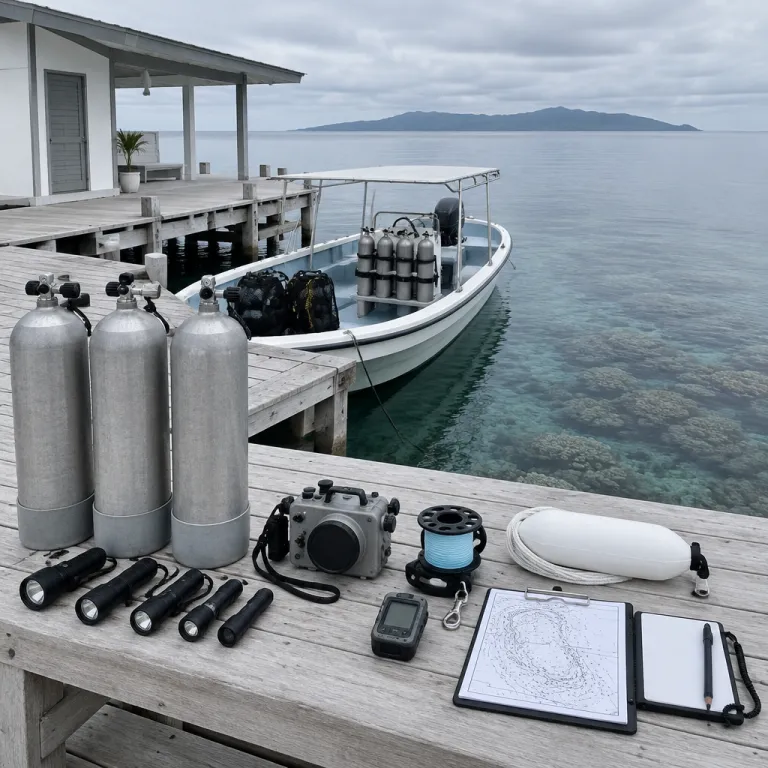
Both teams work with eco friendly practices, limiting group sizes and emphasising buoyancy control to protect coral that sits within arm’s reach on many descents. Dives are usually scheduled after sunset, last around one hour underwater and use standard scuba gear with high quality underwater torches. Methods vary between shore entries, which suit calmer evenings and house reef explorations, and short boat rides to outer walls where pelagic encounters are more likely.
On the accommodation side, Barry’s Place Eco-Lodge in Beloi is not a classic luxury hotel, but it is a key part of the Atauro story for travelers who value sustainability and a direct relationship with the village. Many guests split their stay between a more polished Dili base such as Hotel Timor and a few nights at Barry’s or Atauro Dive Resort, combining premium facilities in the city with simpler but well run facilities on the island. This hybrid approach suits business travelers who need modern amenities before or after their dives, yet still want to feel the sand underfoot when they step out of their rooms.
When you compare hotels across Timor-Leste, focus less on the word resort in the name and more on whether the property has real experience handling dive logistics. A small coastal hotel that can coordinate transfers, gear storage, rinsing areas and flexible dining hours will feel more luxurious in practice than a larger paradise resort that cannot adapt to tide tables. In Timor-Leste, the top hotels offer value not through size but through how well they choreograph the hours between your last email in Dili and your first descent off Atauro.
Gear, safety and the post-dive ritual under Timor’s darkest skies
Night diving off Atauro is accessible, but it is not casual snorkelling, and a luxury stay in Timor-Leste should respect that line. Operators typically require an Advanced Open Water certification or at least a completed night dive with an instructor, and they insist on recent experience before taking you onto the reef after dark. You can rent full scuba gear on the island, though many frequent travelers bring personal masks, computers and torches for comfort.
Safety briefings cover torch signals, buddy procedures, depth limits and what to do if bioluminescence tempts you to switch off your light for a few seconds. Guides emphasise slow movements, careful finning and strict no touch policies, aligning with Timor-Leste’s growing focus on marine conservation and eco tourism. The cost of a guided night dive typically sits around seventy United States dollars per person, a figure echoed in current price lists from local operators, which feels like a considered investment when you realise how few people share the site with you.
Back on shore, the post dive sequence is where the right resort or hotel quietly earns its luxury label. Staff meet you with dry towels, hot drinks or a late light meal, and some hotels offer beachfront dining set well away from any harsh lighting so your eyes can adjust back to the Milky Way. With almost no light pollution, couples can sit on the sand, debrief the dive with their guide and then simply lean back to watch satellites and shooting stars track over the dark outline of Timor-Leste.
This is also the moment when a well designed hotel coffee program comes into its own, and serious properties increasingly trace their beans from mountain farm to hotel cup. If you care about that journey, the guide to Timorese single origin coffee in hotels will help you choose where to stay in Dili before or after Atauro. In a landscape where there is no Palm Springs or Springs Hotel style sprawl, and where names like Pelican Paradise or Paradise Resort are still more aspiration than reality, the true Timor-Leste luxury lies in small details: quiet generators, thoughtful room layouts, and teams who know how to balance business travelers’ needs with the nocturnal rhythm of the reef.
FAQ
Are night dives off Atauro suitable for beginners ?
Night dives around Atauro can be suitable for relatively new divers, provided you already feel comfortable underwater and join with a reputable operator. Local teams state clearly that “Are night dives suitable for beginners? Yes, with proper guidance and training.” Couples who are newly certified should consider doing a refresher or a first night dive in very shallow water before committing to deeper walls.
What marine life will I see during a night dive ?
After dark, the reef community changes dramatically compared with daytime dives. You are likely to encounter octopus, squid, crabs, shrimps and a wide range of nudibranchs, along with sleeping parrotfish and hunting predators that use your torch beam. The exact mix varies by site and season, but Atauro’s overall biodiversity means every stay delivers a different luxury experience.
How much does a night dive cost in Timor-Leste ?
Prices for guided night dives off Atauro generally sit around seventy United States dollars per person for a single dive. That rate usually includes standard scuba equipment, torches and the services of an experienced guide, though some hotels offer package pricing if you book multiple dives during your stay. Always confirm inclusions with your chosen resort or dive lodge when planning your luxury stay in Timor-Leste.
Do I need my own equipment for night diving ?
You do not need to bring your own full kit, because both Atauro Dive Resort and Compass Diving maintain well serviced rental gear. Many frequent travelers still prefer to pack personal masks, computers and sometimes torches, as familiar equipment can enhance comfort on a night descent. If you plan to combine business commitments in Dili with diving, check luggage allowances and storage options at your city hotel before flying.
When is the best time of year for night dives off Atauro ?
Night dives operate throughout the year, with operators scheduling entries after sunset when conditions are calm and visibility is good. Atauro’s position off the north coast of Timor-Leste means it benefits from generally clear water, and visibility can reach around fifty metres on the best days, especially between May and November, which most local dive centres describe as the main dry season. Your resort or hotel will check local weather and sea state before confirming each dive, so building some flexibility into your stay is wise for a truly relaxed luxury experience.