Tais as the quiet signature of a luxury stay in Timor-Leste
Step into a luxury stay timorleste and the first thing you notice is often the fabric. In Dili and across timor leste, tais cloth now frames the lobby, softens concrete lines and quietly signals that this hotel is rooted in leste rather than imported from anywhere. For couples planning a premium escape, understanding this textile turns a simple hotel choice into a richer cultural experience.
Tais is traditional woven cloth from Timor-Leste, and it is increasingly defining what luxury accommodation means in this young nation. When you book a star hotel or a smaller resort in Dili Timor, look for headboards wrapped in deep indigo stripes, or a presidential suite corridor lined with crimson wall hangings from the eastern districts. These details show that hotel designers are working with Timorese artisans instead of relying only on generic modern amenities.
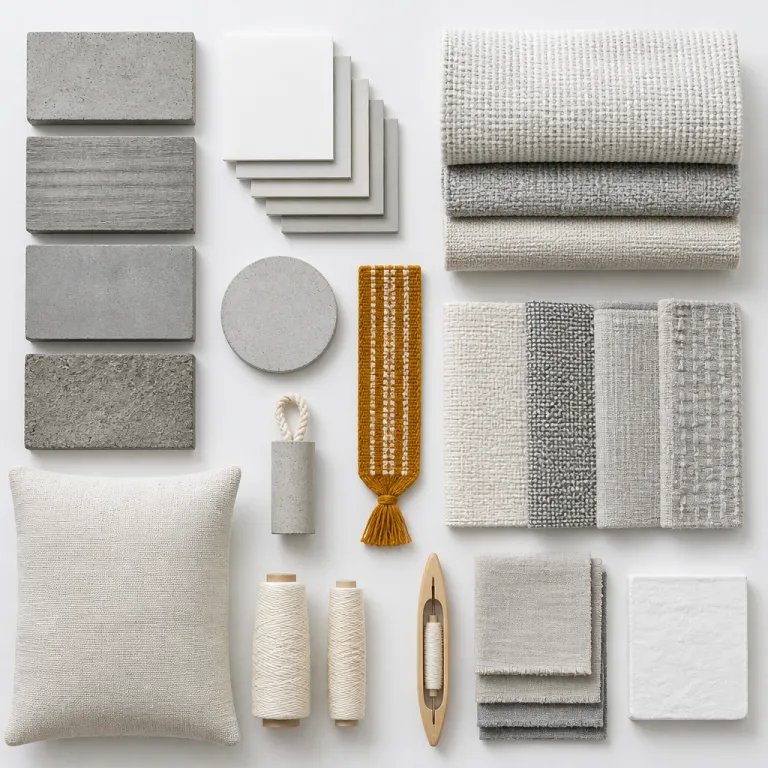
The cultural layering is complex, because Timorese, Portuguese, Chinese and Indonesian influences all meet in these patterns. In many hotels Timor properties, tais from the highlands hangs beside cool concrete and glass, creating a dialogue between heritage and contemporary resort architecture. That mix is what makes a luxury stay timorleste feel specific to place, whether you are in a hotel Dili facing the bay or a remote island resort spa with panoramic views over the reef.
From backstrap loom to headboard: how districts shape design
Every district in timor produces its own tais vocabulary, and the best hotels translate that into distinct room identities. In Dili, many hotel rooms feature cloth from the capital’s surrounds, with softer palettes that suit a city resort where business travelers and couples mix. On Ataúro Island, eco lodges and small resorts often choose bolder coastal motifs, echoing the island landscape and the intense blues of the sea.
In the eastern districts, tais often carries strong geometric bands and deep reds, which some hotels resorts now use for statement headboards in their premium suites. Western motifs, by contrast, can be more muted, and you may see them in family friendly rooms where the design brief is calm rather than dramatic. When you browse luxury accommodation options on a booking site, pay attention to photos of the room textiles, because they often reveal whether the property has invested in genuine Timorese craft or just imported generic fabrics.
The process behind each piece is slow and precise, and it matters for any luxury stay timorleste. What is tais? Traditional woven cloth from Timor-Leste. How is tais made? Hand-woven using backstrap looms and natural dyes. Where can I buy authentic tais? Dili's Tais Market and local cooperatives. Knowing that a large cloth can take around two weeks to weave helps explain why a resort or hotel that uses it extensively often positions itself at the premium end of the market.
Lobby statements, spa rituals and the new Timorese aesthetic
Across Dili Timor, the most interesting hotels use tais as a design language rather than a token accent. In a well considered hotel Dili property, you might see a single dramatic panel behind the reception desk, then subtler bands of cloth in the spa relaxation room and in the main dining space. This creates continuity, so your entire experience of the resort feels anchored in Timorese culture rather than just themed for effect.
Some hotels resorts now commission Timorese artisans to create custom pieces for resort spa entrances, pairing the textiles with polished concrete, timber and stone. The result is an eco accommodation aesthetic that feels both contemporary and grounded, especially when panoramic views of the bay or the beach sit just beyond the lobby. For couples, this means that a luxury stay timorleste can feel romantic without losing the sense of place that makes timor leste different from other island destinations.
Design choices also extend to uniforms, where staff at a turismo resort or a star hotel might wear sashes or collars cut from district specific patterns. This is where the tension between authenticity and commodification appears, because tais is sacred in many ceremonies, yet it is now also part of resort branding. As Timor-Leste moves toward deeper regional integration, projects such as Dili’s emerging convention infrastructure, covered in analyses like how the convention centre will reshape the hotel map, will only increase demand for hotels that can host events while still presenting a credible cultural narrative through their interiors.
From market to novo turismo: where guests meet the makers
For many couples, the most memorable part of a resort stay in timor leste is leaving the pool for a few hours to meet the people behind the textiles. Visit Dili's Tais Market for authentic textiles, where you can see patterns from across leste gathered in one busy, colourful space. Support local artisans by purchasing directly, because this is where the craft economy around hotel properties becomes tangible rather than abstract.
Several hotels timor now work with local cooperatives to arrange half day visits to weaving groups in nearby communities. Learn about tais weaving through workshops, where women demonstrate hand weaving and natural dyeing using backstrap looms and plant based colours. These excursions sit comfortably alongside more classic tourism like an Ataúro dive trip or a lazy afternoon on Ataúro beach, giving your luxury stay timorleste both cultural depth and island relaxation.
Properties that position themselves as novo turismo leaders often highlight these partnerships in their resort offers, especially when they also promote eco lodges or eco accommodation on Ataúro Island. A novo turismo resort might combine a morning weaving visit with an afternoon dive on a reef where the coral starts just off the sand, similar in spirit to the properties profiled in this guide to stays where the reef begins at your doorstep. For couples, this blend of culture, beach time and world class Ataúro dive experiences is what turns a simple hotel booking into a layered journey.
Women, weaving and the economics of luxury interiors
Behind every tais panel in a presidential suite or spa corridor stands a network of Timorese women whose work rarely appears in glossy brochures. Around 80 % of Timorese women are involved in tais weaving, and a large cloth can take about two weeks to complete, which means that hotel demand has real economic weight in rural communities. When a turismo resort commits to sourcing textiles through cooperatives rather than middlemen, the impact on household income and local autonomy can be significant.
Timorese artisans and hotel designers increasingly collaborate directly, with the hotel industry acting as a partner rather than just a buyer. This shift supports goals such as economic empowerment of women, cultural preservation and tourism enhancement, all of which sit at the heart of a thoughtful luxury stay timorleste. For couples choosing between hotels resorts, asking how a property sources its tais is as relevant as comparing spa menus, dining options or modern amenities in each room.
There is also a sustainability dimension, because many cooperatives use natural dyes and traditional methods that align with eco accommodation values. When an island resort or Dili Timor star hotel invests in tais rather than synthetic fabrics, it reduces imports and strengthens local craft economies. Over time, this can help ensure that the tais you see in hotel lobbies remains a living tradition rather than a frozen museum piece.
Planning a culturally rich luxury stay in Timor-Leste
Couples planning a luxury stay timorleste can use tais as a compass when comparing properties across timor leste. Start with location, deciding whether you want a city base in Dili, a beach resort on the mainland coast or an island escape on Ataúro Island with easy access to Ataúro dive sites. Then look closely at photos of the lobby, spa and room interiors, checking how tais appears in relation to concrete, timber and glass.
In a hotel Dili that takes culture seriously, you will usually see a coherent tais story from the entrance through the dining spaces and into the guest rooms. A premium resort spa on the coast might pair large wall hangings with panoramic views of the beach, while eco lodges on Ataúro Island could use lighter cloths that suit open air pavilions and sea breezes. For a deeper briefing on how regional integration is reshaping tourism, consult planning resources such as this guide to planning luxury travel to Timor-Leste as ASEAN access evolves, then cross check which hotels timor align with your values.
Finally, consider how each property balances resort comforts with cultural respect, especially if you are travelling as a family friendly group or celebrating a romantic milestone. Ask whether the hotel offers visits to weaving cooperatives, uses tais in staff uniforms or supports training for Timorese artisans. Those details, combined with strong resort offers, thoughtful spa rituals and attentive service, are what turn concrete and cloth into a genuinely memorable luxury accommodation experience.
FAQ
What is tais and why does it matter for hotel design?
Tais is the traditional hand woven cloth of Timor-Leste, created on backstrap looms using techniques passed down through generations of women. In luxury hotels and resorts, it appears in headboards, wall hangings and staff uniforms, giving interiors a distinctly Timorese identity. For guests, seeing tais throughout a property signals that the hotel is engaging with local culture rather than importing a generic design template.
Where can I see and buy authentic tais during my stay?
The easiest place to start is Dili’s dedicated Tais Market, where weavers and traders from different districts sell cloth in a wide range of colours and patterns. Many hotels in Dili Timor can arrange a guided visit, helping you understand the stories behind each design before you purchase. Some resorts and eco lodges also partner with village cooperatives, allowing guests to buy directly from the women who wove the textiles.
How can I tell if a hotel is using tais respectfully?
A respectful property usually works with local cooperatives, credits the district origins of its textiles and avoids using sacred motifs in casual contexts. You may see information cards in the lobby or spa explaining the patterns, or find that staff can describe where the cloth in your room was woven. If a hotel can answer basic questions about its sourcing, it is more likely to be supporting artisans rather than treating tais as a disposable décor trend.
Are there eco friendly and family friendly hotels that feature tais?
Yes, several eco accommodation options and family friendly resorts in Timor-Leste integrate tais into their interiors while also focusing on low impact operations. On Ataúro Island, for example, some eco lodges use naturally dyed textiles alongside solar power and simple, open air architecture. In Dili and along the coast, you will find star hotel properties that combine tais accents with modern amenities, kids friendly pools and easy access to the beach.
Can I visit weaving communities as a day trip from Dili?
Many hotels in Dili Timor can arrange half day or full day excursions to nearby weaving groups, often in partnership with women’s cooperatives. These visits typically include demonstrations of spinning, dyeing and weaving, with time to purchase cloth directly from the artisans. It is a rewarding complement to more classic activities such as a resort spa afternoon, a coastal drive or a dive trip to Ataúro Island.