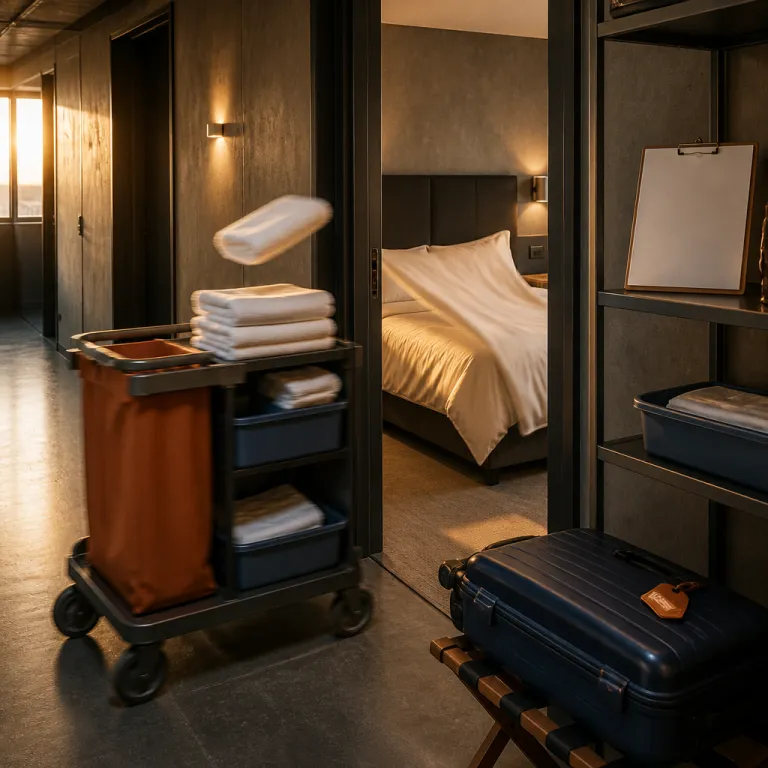
How hospitality academies are reshaping expectations for a hotel in Timor-Leste
Luxury travelers arriving in Timor-Leste often step into a hotel expecting polished service that matches the drama of the coastline. The reality in Dili and beyond is that the sector is still young, yet a quiet revolution in training is pushing every hotel in Timor-Leste closer to regional five star standards. When you plan your stay and search for a refined hotel timorleste 2026 style experience, you are already feeling the impact of these academies on the ground.
Across Dili, Timor-Leste’s capital, training centers supported by Charles Darwin University and AVM Timor-Leste are teaching future hoteliers how to run guest rooms, manage a pool deck and design a modern bar that actually works for business leisure travelers. Charles Darwin University first partnered with local providers in 2012, and AVM Timor-Leste reports training several hundred students across hospitality and tourism diplomas since 2018. These programs blend classroom learning with on the job practice in real hotel Dili properties, so the person checking you into your deluxe room has rehearsed that welcome many times. For guests, the difference shows in the way a team anticipates airport transfers, remembers balcony preferences and explains the best route from Dili to Cristo Rei without reaching for a phone.
The government’s Tourism Ambassador Programme adds another layer, coaching front line staff in how to speak confidently about Timor-Leste’s culture while maintaining international service etiquette. Launched in 2017 under the Ministry of Tourism, Commerce and Industry, the initiative has already certified more than 500 ambassadors across hotels, tour companies and restaurants. One official answer captures the ambition clearly: “The Tourism Ambassador Programme is a training initiative to enhance customer service and professionalism in Timor-Leste's tourism sector.” When you check into a star hotel in Dili Timor today, the greeting at reception, the way staff describe views of Atauro Island or suggest a better time to hike Cristo Rei all trace back to this structured training.
The NIHI Rote model and why it matters for luxury stays in Timor-Leste
Across the water in Indonesia, the NIHI Rote Hospitality Academy has become a reference point for what serious training can do for a remote destination. Established in 2019, the academy welcomes small cohorts of around 20 to 30 students per intake, including participants from Rote Island and Timor-Leste. Students rotate through culinary arts, front office operations and sustainability modules that mirror the needs of a modern luxury hotel. When they return to Timor-Leste and step into roles in Dili hotels or coastal retreats, they bring a disciplined understanding of how a star hotel should feel from first greeting to last rain shower.
The academy’s connection to Nobel Peace Prize laureate José Ramos-Horta is more than symbolic, because his backing signals that hospitality is part of nation building, not a side activity. Graduates talk about service as a way to tell the story of Timor-Leste, whether they are pouring coffee in a lobby bar or guiding guests through the history of Cristo Rei at sunrise. As one Timorese alum now working in a waterfront property in Dili explains, “We are not just serving food or making beds; we are explaining our country with every interaction.” For a traveler choosing a hotel in Dili Timor, that means the person escorting you to your spacious suites or guest rooms has been trained to link comfort, culture and sustainability in one seamless narrative.
Program structures vary, yet most NIHI style courses run long enough to cover both technical skills and soft skills such as empathy, timing and discretion. A trainee might spend one day mastering a modern shower installation and the next learning how to stage weddings and social events that respect local customs while meeting international expectations. One graduate who now coordinates events in a Dili business hotel describes how this plays out: “We rehearse every step of a wedding or conference, from the first email to the last airport transfer, so that guests feel everything is effortless.” When you book an ideal business stay and extend it into leisure, you feel this training in the way staff manage meeting logistics, then pivot to arranging a poolside dinner with views of Atauro that rival more established resort markets.
From classroom to hotel lobby in Dili: where graduates actually work
Timor-Leste’s training ecosystem is broader than one academy, and that diversity is starting to show in the hotel lobby. The East Timor Development Agency has already trained thousands of students since it began hospitality programs in the mid-2000s, many of whom now manage guest rooms, supervise a swimming pool area or run a small restaurant inside a hotel Dili property. Their Australian certified courses give staff the confidence to handle everything from a presidential suite arrival to a late night room service request with the same calm precision.
In Ainaro, the Hospitality and Tourism Trade School offers free courses that open doors for young people far from Dili Timor’s waterfront, and some graduates now commute to the capital to work in star hotel operations. The school reports that more than 60 percent of its hospitality students secure employment or internships within six months of graduation, often in hotels and guesthouses around Dili. They bring a grounded understanding of Timor’s interior, which becomes a real asset when guests ask for day trips beyond the coast or want better insight into rural life. For travelers, this means the concierge who books your transfer to Aleixo Dili or your onward journey to Atauro Island can speak from lived experience, not just from a brochure.
Regional collaborations with institutions such as Sekolah Tinggi Pariwisata Bali and Pro-Ema Restaurant School sharpen culinary and service standards, especially in properties that aim to serve both business leisure and high end holiday guests. Pro-Ema, for example, has trained dozens of young women in professional kitchen and service skills, and several now work in Dili’s better known boutique hotels and restaurants. When you read a review praising a hotel’s modern rain shower, its well calibrated air conditioning or its attentive bar team, you are seeing the results of these structured partnerships. The same applies to wellness offerings, where lodges around Atauro now design spa rituals and reef day recovery programs that echo the thoughtful approaches highlighted in guides to post dive recovery and spa rituals after reef days.
What the training gap still means for your stay in a hotel in Dili
Even with this momentum, Timor-Leste’s hospitality sector is still catching up to regional benchmarks, and travelers should calibrate expectations with care. You may find a hotel in Dili with a generous swimming pool and spacious rooms, yet notice that service timing at the restaurant or bar feels uneven. That contrast reflects a training gap where infrastructure has sometimes grown faster than the number of fully qualified staff.
For business leisure travelers, the difference shows in small operational details that matter during a compressed schedule. An ideal business stay in Dili Timor requires reliable airport transfers from Nicolau Lobato International Airport, fast check in, and guest rooms where the desk, lighting and Wi-Fi are designed for work, not as an afterthought. Our guide to business travel in Dili with reliable Wi-Fi, meeting space and airport transfers highlights the properties where training and infrastructure already align.
Leisure guests notice the gap most around consistency, especially when comparing different star hotel options in the same neighborhood. One hotel Dili property might offer a beautifully tiled modern shower bathroom with a powerful rain shower, while another still relies on older fittings that feel out of sync with the price point. A 2023 snapshot of online reviews for central Dili accommodations shows frequent praise for staff friendliness but more mixed feedback on maintenance and breakfast service, which often correlates with whether teams have completed formal training. When you evaluate a hotel timorleste 2026 style listing, look beyond the pool photos and ask how many staff have completed formal training, how the team handles weddings and social events, and whether the management invests in ongoing courses with organizations such as AVM Timor-Leste or the East Timor Development Agency.
How the next generation will redefine luxury in Timor-Leste’s hotels
The most interesting shift is not about marble lobbies or imported linens, but about how young Timorese hoteliers are reimagining what luxury means in their own country. Many graduates from regional academies talk about creating a hotel experience where views of Atauro Island, locally roasted coffee and genuine cultural exchange matter as much as a deluxe pool cabana. In practice, that means designing guest rooms with balconies that frame the sea, curating a bar menu that highlights Timor-Leste spirits and building restaurant concepts that celebrate local produce instead of copying international chains.
Properties near Aleixo Dili and along the waterfront are already experimenting with this approach, especially those that cater to both business leisure and adventure travelers. A typical day might start with a carefully prepared breakfast that lets you start the day with strong local coffee on your balcony, followed by meetings in a quiet lounge and an afternoon swim in a well maintained pool. As the sun sets behind Cristo Rei, staff trained through the Tourism Ambassador Programme might guide you to the best vantage point, then arrange a private dinner with better views of Atauro than you expected when you first searched for a hotel timorleste 2026 style stay.
Outside the capital, smaller coastal properties are learning from Dili Palm style operations, where a compact footprint still allows for a star hotel level of attention. Here, luxury is expressed through thoughtful touches such as a perfectly calibrated rain shower after a dive, a discreet turn down service in suites and a quiet corner for remote work that respects the needs of an executive traveler. One lodge manager on Atauro describes the new mindset simply: “Our guests come for the reef, but they remember how we made them feel at the end of the day.” If you plan to explore local markets and coastal villages, consider pairing your stay with a night near Beloi, using our guide to Beloi market on Saturday morning and where to stay the night before to balance immersion with comfort.
Reading a Timor-Leste hotel listing like an insider
When you scroll through listings for a hotel in Timor-Leste, the language can feel generic, yet trained eyes know what to look for. A reference to Australian certified staff, partnerships with AVM Timor-Leste or internships with Charles Darwin University often signals a property where service will feel smoother from lobby to presidential suite. Mentions of structured programs for weddings and social events suggest that the team has rehearsed complex logistics, which usually translates into better everyday operations for regular guest rooms as well.
Pay attention to how a hotel Dili property describes its facilities, because specific details often reveal the depth of training behind them. A vague promise of a modern pool and bar says less than a clear explanation of lifeguard coverage, pool maintenance routines and how the bar team curates Timor-Leste inspired cocktails for both business leisure and holiday guests. When a listing highlights features such as a modern shower bathroom with a rain shower, balconies oriented toward views of Atauro or a quiet lounge designed as an ideal business workspace, you are seeing the fingerprints of graduates who have studied best practices across the region.
Finally, consider how a property positions its location relative to Nicolau Lobato International Airport, Cristo Rei and key Dili Timor neighborhoods such as Aleixo Dili. Hotels that explain transfer times, suggest the best time of day to reach meetings and offer tailored itineraries to Atauro Island usually have staff trained to think like hosts, not just operators. As the next wave of hoteliers returns from academies in Rote, Bali and Ainaro, the phrase hotel timorleste 2026 becomes shorthand for a new standard: a place where infrastructure, training and the spirit of Timor come together in one coherent stay.
FAQ
Who provides hospitality training for hotel staff in Timor-Leste?
Several institutions support Timor-Leste’s hospitality workforce, including Charles Darwin University, AVM Timor-Leste, the East Timor Development Agency and the Hospitality and Tourism Trade School in Ainaro. These organizations offer a mix of classroom instruction, practical workshops and on the job training aligned with regional standards. Many hotel Dili properties now recruit directly from their graduate pools.
What is the Tourism Ambassador Programme and how does it affect guests?
The Tourism Ambassador Programme is a national initiative designed to raise customer service and professionalism across Timor-Leste’s tourism sector. Participants receive training in communication, cultural interpretation and hospitality etiquette that they then apply in hotels, restaurants and tour operations. Guests benefit through more confident, informed interactions, especially when asking about local history, customs or sites such as Cristo Rei.
How does the NIHI Rote Hospitality Academy influence hotels in Dili?
The NIHI Rote Hospitality Academy trains students from Rote Island and Timor-Leste in culinary arts, front office operations and sustainability practices. Graduates often return to work in Dili Timor hotels, where they introduce refined service standards and a stronger focus on guest experience. Their presence is felt in everything from check in rituals to how a property manages its pool, bar and restaurant operations.
What should business travelers look for when booking a hotel in Dili?
Business travelers should prioritize hotels that clearly describe their airport transfer services from Nicolau Lobato International Airport, in room workspaces and Wi-Fi reliability. Properties that mention partnerships with training providers or highlight experience hosting meetings and events usually deliver a smoother stay. It is also wise to check whether the hotel offers flexible check in and check out options to match flight schedules.
Are luxury standards consistent across Timor-Leste’s hotels?
Luxury standards vary widely, because the sector is still developing and not all properties have the same access to trained staff. Hotels that invest in ongoing professional development, collaborate with regional academies and adopt international best practices tend to offer more consistent service. Travelers seeking a hotel timorleste 2026 level experience should read reviews carefully and look for evidence of structured training and thoughtful design.