Why seafood defines a luxury stay in Timor-Leste
Seafood sits at the heart of any luxury stay timorleste, especially for families who plan their days around the next grilled fish. Along the north coast of Timor Leste, from Dili East to the reefs of Ataúro, the best hotels and every serious resort now treat the morning catch as carefully as they do their infinity pool or kids club facilities. For premium travelers, the real luxury accommodation is the hotel where the chef can point to the exact beach where your tuna was landed that dawn.
Timor is still shaping its hospitality identity, and the leading hotels in Dili and on Ataúro Island are doing it through the plate rather than through marble lobbies. When you check into a star hotel or a low slung eco resort, the most telling question is not about the average room size but about which fishing families supply the kitchen and how often the chef walks the sand at sunrise. A thoughtful luxury stay timorleste means your children learn that the crab on their plate came from the same reef where they will later dive or snorkel with a local guide.
On the booking side, families comparing hotel rates quickly notice that the lowest price rarely equals the most meaningful stay. A hotel in Dili East with a modest pool but a serious seafood program can feel far more premium than a larger resort that relies on frozen imports. When you read guest reviews for any hotel Dili property, look for specific mentions of fresh fish, daily specials and whether the resort offers a kids menu built around grilled snapper rather than processed options.
The catch chain from reef to lodge kitchen
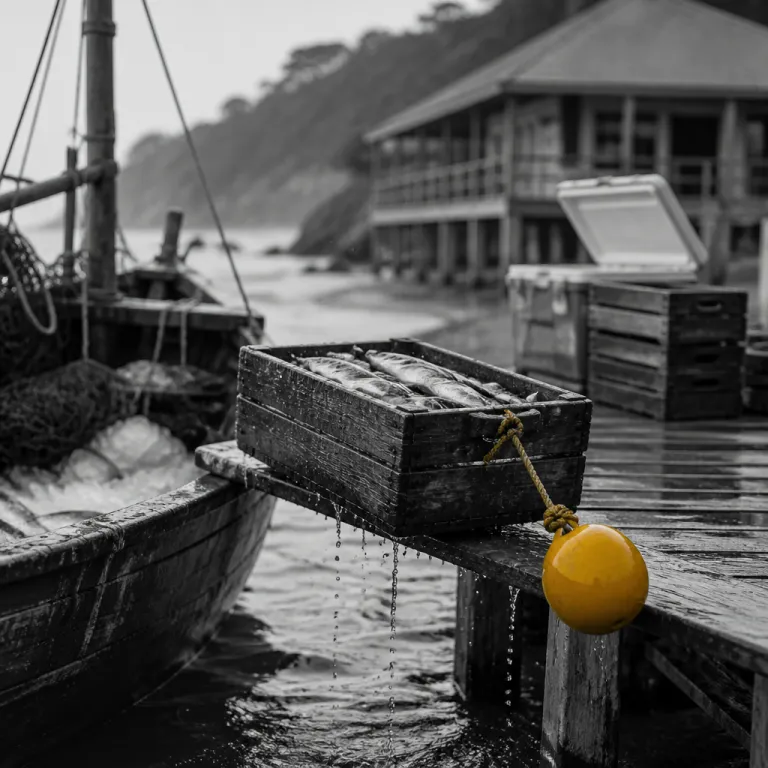
Along the coast of East Timor, the seafood supply chain is still refreshingly short, and that is exactly what elevates a luxury stay timorleste. In villages near Dili and around Beloi on Ataúro, small wooden boats leave the beach before first light, with fishers using hand lines and simple nets rather than industrial gear. They work close to shore, often within sight of the resort or hotel that will later plate their catch for your family dinner.
On Ataúro, the same men and women who guide you on a morning dive often have relatives out fishing the drop off while you are still at the breakfast buffet. By late morning, the boats nose back onto the sand, and chefs from nearby hotels walk down to check the tubs of tuna, snapper, octopus and seasonal pelagics, choosing what will define the evening menu. This is not the anonymous resort buffet fish you may know from other parts of Southeast Asia ; here, the chain from reef to hotel kitchen is short enough that your children can watch every step.
In Dili, some hotel Dili properties still buy from the main waterfront market, but the most forward thinking hotels and resort teams now contract directly with specific families in nearby coastal communities. That direct link matters for both quality and ethics, because it allows the hotel to respect Tara Bandu closures and pay a fair price that reflects the true value of the reef. After a long diving day, when you return to your room and then head to dinner, you can taste the difference between a fish that has traveled a few hundred metres and one that has crossed an ocean in a freezer.
For travelers planning post dive recovery days, it is worth reading about the emerging spa rituals that lodges are building around reef focused stays, because the same properties that think carefully about massage oils usually think carefully about seafood sourcing. When a resort offers both a serious dive program and a transparent catch chain, you know the team is paying attention to details that define a genuinely responsible luxury stay timorleste. Families who care about sustainability can ask the hotel to explain exactly how Tara Bandu rules shape the menu on any given night.
What ends up on your plate in Dili and Ataúro
Once the catch reaches the hotel kitchen, the real artistry begins, and this is where a luxury stay timorleste separates itself from a simple beach holiday. In Dili, many hotels serve thick tuna steaks, reef fish fillets and crab in preparations that nod to both Portuguese heritage and Indonesian neighbours, often with a bright local sambal on the side. On Ataúro, the same species might arrive whole and grilled over coconut husk charcoal, eaten feet in the sand while children run between the tables and the tide line.
Families can expect to see tuna, snapper, grouper, squid, octopus and seasonal mackerel on most coastal menus in Timor Leste, with occasional treats such as lobster or large crab when conditions and Tara Bandu rules allow. At a well run resort, the chef will adjust the menu to the sea rather than forcing the sea to match a fixed hotel concept, which means some nights are all about grilled fillets while others highlight slow cooked curries or fragrant fish stews. The best hotels explain these shifts clearly, turning the daily menu briefing into a quiet lesson in marine seasons for curious children.
On Ataúro, several lodges invite guests to walk down to the beach in the late morning to watch the catch come in, and some even let older children help rinse the fish before it goes to the kitchen. That kind of access is rare in East Timor and gives a luxury stay timorleste a sense of grounded intimacy that no amount of marble can buy. When you plan a honeymoon or multi generational trip, consider weaving in one of the properties from the three property itinerary that few travelers are yet booking, because these hotels tend to take seafood sourcing and storytelling seriously.
In Dili East, some hotel Dili kitchens now offer tasting menus that move from raw tuna with citrus to charcoal grilled snapper and then to crab in a rich Portuguese style sauce. For families, chefs can usually adapt spice levels and portion sizes, so do check in advance by email or at the time of booking. When you read guest reviews, look for comments about how flexible the kitchen is with children, because that often signals a property where the seafood program is both confident and family friendly.
How Tara Bandu and community rules protect the seafood supply
Behind the scenes of every memorable seafood dinner in Timor Leste sits Tara Bandu, the customary law system that communities use to protect land and sea. In many coastal villages, elders and fishers agree to close certain reefs or seasons, which means that even the most ambitious resort must respect no take zones if it wants to maintain trust. For a luxury stay timorleste, this is not a constraint but a quiet guarantee that your children will still be able to dive these reefs in years to come.
On Ataúro, Tara Bandu closures often rotate between different stretches of reef, allowing fish stocks to recover while still providing enough catch for both local families and nearby hotels. Lodges that are genuinely plugged into this system will explain why a particular species is off the menu during your stay, turning absence into a story about stewardship rather than a service failure. When you check into any hotel or resort, ask how Tara Bandu shapes their buying ; the clarity of the answer tells you a lot about whether the property deserves your booking.
In Dili and along the north coast of East Timor, some hotels now support community patrols or contribute a small fee from each seafood dish to local conservation funds. That kind of arrangement keeps the catch chain transparent and ensures that the price you pay at the hotel table reflects more than just the weight of the fish. For families planning a luxury stay timorleste, choosing these properties is one of the simplest ways to align comfort, gastronomy and ethics.
When you compare hotel rates and read guest reviews, look for mentions of reef conservation, community partnerships and Tara Bandu by name. Properties that talk openly about these systems tend to manage their pools, rooms and other facilities with the same care, which matters when you are traveling with children. Over time, as more hotels in Timor Leste adopt this approach, the entire coast benefits, from Dili East to the quieter bays that still see only a handful of visitors each month.
Choosing the right lodge or hotel for seafood focused families
For a family planning a luxury stay timorleste, the choice of hotel or resort can either connect you to this seafood story or keep you at arm’s length. Start by deciding whether you want an urban base in Dili, with easy access to Timor Plaza and other city comforts, or a slower rhythm on Ataúro where the beach and reef sit directly in front of your room. In both cases, the most rewarding hotels are those that treat the morning catch as a central part of their identity rather than a side note.
In Dili, some star hotel properties cluster near the waterfront, offering a pool, reliable air conditioning and quick transfers to the airport, which suits families on shorter stays. When you check availability and compare the average price per night, read beyond the numbers to see how each hotel talks about its restaurant, seafood sourcing and links to local fishers. A slightly higher price weekend at a hotel Dili property with a serious seafood program can feel like far better value than the lowest price option that relies on imported frozen fillets.
On Ataúro, the best resorts and lodges tend to be smaller, with simple but thoughtful facilities, direct beach access and strong ties to nearby villages. Many of these places build their entire identity around diving and snorkeling, which means the same guides who lead your morning dive can often point out the exact reef that supplied your dinner. For families, that integration of reef, room and restaurant turns a luxury stay timorleste into a living classroom, where children understand that the fish on their plate is part of a wider ecosystem.
When planning a longer itinerary that links the mountains and the sea, consider the mountain to sea road trip with carefully chosen hotel stops, which pairs inland coffee country with coastal seafood tables. Throughout your planning, remember that mytimorlestestay.com operates with all rights reserved and a clear privacy policy, curating only hotels and resorts that meet strict standards for service, sustainability and gastronomy. That editorial filter helps families focus on properties where the resort offers meaningful experiences, from reef friendly diving to seafood dinners that honour both the ocean and the communities who depend on it.
Practical tips for booking seafood led stays in Timor-Leste
Once you have narrowed down your preferred hotels and regions, a few practical steps will help you secure the most rewarding luxury stay timorleste. Begin by emailing the hotel directly, using the address listed on the official website rather than any generic email protected style placeholder you might see on third party platforms. Ask specific questions about seafood sourcing, children’s menus, diving options and how Tara Bandu affects what appears on the table during your intended dates.
When comparing hotel rates across different booking channels, remember that some resorts include free breakfast or airport transfers in their direct offers, which can change the true average nightly price. For families, a package where the resort offers a mix of meals, guided snorkeling or a poolside snack credit can be more valuable than a bare lowest price room only deal. Always check whether taxes and service are included, and whether the hotel can arrange diving or snorkel trips that align with your children’s ages and swimming confidence.
On Ataúro and in smaller coastal communities, internet connections can be patchy, so confirm your booking and any special seafood requests well in advance. If you have dietary restrictions, ask the hotel to note them clearly and to confirm that the kitchen can adapt local dishes without losing their character. For a luxury stay timorleste that balances comfort and authenticity, choose properties where guest reviews consistently praise both the warmth of the staff and the clarity of communication before arrival.
In Dili, staying near Timor Plaza can be convenient for families who want easy access to shops and pharmacies before heading out to more remote resorts. Some hotel Dili properties in this area now run shuttle services to popular beach clubs and dive operators, making it easier to blend city comforts with reef days. Whatever you choose, remember that the most memorable stays in Timor Leste are rarely about thread count alone ; they are about the stories that begin on a village beach at dawn and end at your table as the sun drops behind the mountains.
FAQ about seafood and luxury stays in Timor-Leste
Is seafood in Timor-Leste safe for families to eat
Coastal hotels and resorts in Timor Leste generally serve seafood that has been caught the same day and handled carefully, especially in Dili and on Ataúro. Well run properties maintain cold chains, clean kitchens and clear sourcing relationships with specific fishing families. For extra reassurance, choose hotels where guest reviews mention freshness and where staff can explain exactly when and where the fish was landed.
Which areas are best for seafood focused family stays
Dili and Ataúro are the strongest bases for a seafood centered luxury stay timorleste, with reliable hotel infrastructure and access to active fishing communities. Dili East offers easy logistics, city facilities and quick transfers to dive sites, while Ataúro provides quieter beaches and reefs directly in front of many lodges. Families who want both variety and depth often split their stay between a hotel Dili base and a smaller resort on Ataúro.
Can children join visits to the morning catch landings
Several lodges on Ataúro and some coastal hotels near Dili welcome children at the beach when the boats return with the morning catch. Safety is managed informally, so parents should supervise closely, keep kids clear of wet decks and sharp hooks, and follow staff guidance. These visits can be powerful teaching moments, helping children connect their seafood dinners to real people and real reefs.
How does Tara Bandu affect what is on the menu
Tara Bandu closures can limit which species fishers are allowed to catch in certain areas or seasons, which means some fish may be unavailable during your stay. Responsible hotels and resorts respect these rules and adjust menus accordingly, often highlighting alternative species or vegetarian dishes instead. When a property explains these changes openly, it signals a serious commitment to sustainability and to the long term health of the reefs that support both tourism and local communities.
Do I need to book seafood experiences in advance
For regular restaurant meals, advance booking is usually only necessary at smaller lodges or during busy local holidays. However, if you want specific experiences such as a private beach barbecue, a cooking class focused on local seafood or a combined diving and dinner package, it is wise to arrange these with the hotel several weeks ahead. Early communication gives the kitchen time to coordinate with fishers and to plan around Tara Bandu restrictions, ensuring both quality and respect for local rules.
References
Pacific Tourism Organisation ; Timor-Leste Ministry of Tourism, Trade and Industry ; Coral Triangle Initiative on Coral Reefs, Fisheries and Food Security.