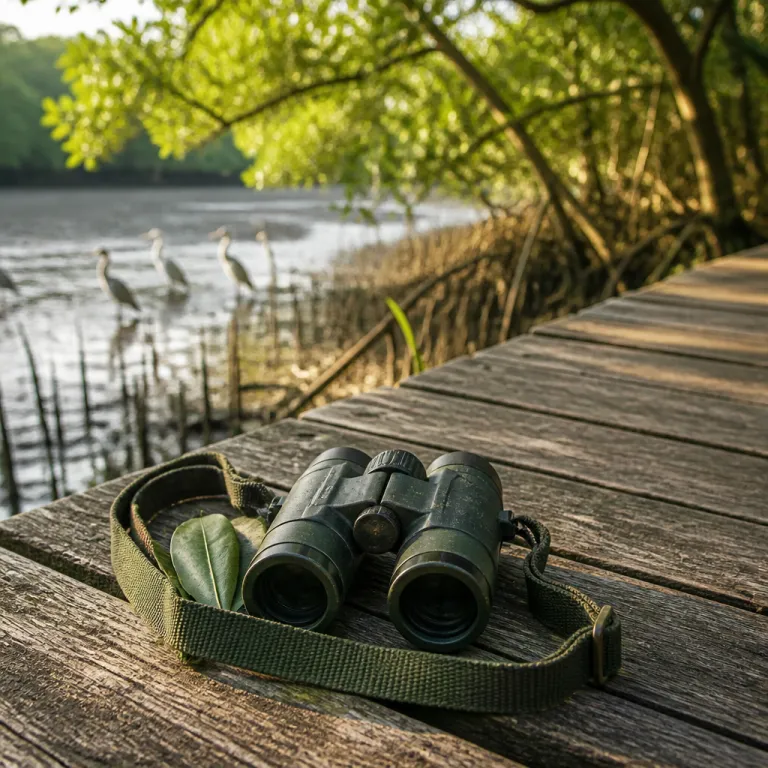
Mangrove boardwalks as the quiet luxury of travel timorleste
In Timor Leste, the most quietly luxurious hour often happens at low tide. While many travellers arrive in this young country dreaming of the coral triangle and deep reefs, the mangrove areas that fringe the coast offer a different kind of immersion for people who prefer to stay above the waterline. For premium families planning travel timorleste, these shaded boardwalks and calm channels become the most memorable places for children who are too young to dive.
From Dili eastwards towards Cristo Rei and beyond, pockets of mangrove forest sit between the road and the sea, and several high end properties now work with a local tour operator to open these ecosystems to guests. In east Timor, the Nino Konis Santana National Park protects both marine and terrestrial habitats, and its coastal sections show how leste travel can balance comfort with conservation minded experiences. When you visit Timor as a family, asking your hotel concierge about mangrove boardwalk access is as important as checking the pool depth or the kids’ menu.
For travellers used to Southeast Asia’s more developed destinations, the mangrove systems in Timor feel remarkably intact, with minimal boardwalk infrastructure and almost no crowds. That is precisely why this country rewards people who plan their time visit carefully and lean on expert travel advice from properties that understand health safety and personal safety in wild environments. When you book through a luxury hotel on a trusted platform such as mytimorlestestay.com, you gain both curated access to these areas and the reassurance that travel insurance requirements, health considerations and timing around tides have been thought through in advance.
How hotels in Dili and the east arrange low-tide excursions
In Dili, the capital of Timor Leste, most premium hotels now treat mangrove and birdwatching excursions as seriously as dive trips to Atauro Island. The Hotel Concierge typically acts as the organizer, coordinating with local tour guides who specialise in low tide walks and arranging transfers that work with your family’s schedule. For guests focused on travel timorleste with children, this concierge layer matters because tide windows rarely match standard check in or breakfast times.
The practical sequence is simple yet precise, and it shapes how you plan your time visit around the city. First, the hotel checks tide tables for the relevant areas, then confirms a two hour slot that works for both your small group and the guide, and finally blocks a vehicle and any equipment such as binoculars or field guides. This is where a good tour operator earns their fee, because they understand that the best time for a mangrove walk is not when the sun is highest, but when the water has retreated just enough to reveal crab burrows, wader tracks and the root systems that fascinate curious children.
Families considering travel timorleste for whale watching season often ask whether they should prioritise offshore trips or coastal nature walks. The honest travel advice from seasoned hoteliers is to do both, using low tide for mangroves and calmer seas for offshore excursions, and planning with robust travel insurance that covers boat activities as well as guided walks. If you are timing a stay around the migration window, resources such as the guide to pre booking the whale season help you lock in rooms first, then layer mangrove experiences around those fixed dates.
Where mangroves meet families: key areas and hotel access
Along the north coast of Timor, several distinct mangrove areas lend themselves to premium yet low impact excursions. Close to Dili, the inlets near Cristo Rei combine coastal views with sheltered channels, allowing travellers to pair a sunrise viewpoint hike with a shaded boardwalk walk later in the morning. Further east, towards the leste east districts that edge Nino Konis Santana, mangrove lined bays feel wilder, and access is usually arranged through a trusted local tour operator rather than self navigation.
Atauro Island, often framed only as a coral triangle diving destination, also has pockets of mangrove and coastal scrub that are ideal for birdwatching and gentle family walks. When you plan travel timorleste with a focus on Atauro, ask your hotel or eco lodge not just about reef sites but also about intertidal flats and boardwalks that can be explored at low tide by a small group with children. For a sense of the island’s rhythm, the guide to Beloi market on Saturday morning shows how local life, eating and drinking habits and nature excursions can all fit into a single weekend.
In the far east of the country, where the road narrows and the culture feels more traditional, mangrove zones often sit beside villages that still harvest shellfish at low tide. Here, leste travel becomes as much about people as about places, and your hotel’s contact with community leaders ensures that walks respect local customs and health safety norms. Premium properties in these areas usually price excursions in dollar USD, bundle travel insurance advice into pre arrival emails and brief guests on personal safety, footwear and sun protection before they step onto the boardwalk.
Birdwatching beyond the reef: endemic species and family friendly gear
Timor Leste sits on a biogeographic crossroads between Asia and Australasia, which makes its birdlife unusually rich for such a small country. Conservation organisations working here note that even a single refuge in another region can host more than two hundred bird species, and that context helps explain why birdwatching is emerging as a serious reason to travel timorleste. In coastal mangroves and adjacent wetlands, families can expect to see herons, egrets and shorebirds alongside more localised species that reward patient observation.
Parents often ask what birds they can realistically see on a two hour walk with children, and the most honest answer comes from field tested programmes elsewhere that mirror Timor’s approach. As one reference explains, “Species like herons, egrets, and spoonbills.” This kind of list gives younger travellers something concrete to look for, while guides in east Timor add their own favourites such as kingfishers flashing through the mangroves or raptors circling above Cristo Rei at first light.
For premium families planning travel timorleste, packing light but smart makes these excursions more comfortable and keeps the focus on enjoyment rather than logistics. Binoculars sized for smaller hands, a simple field guide or app, insect repellent and breathable long sleeves cover most health safety needs, while hotels can usually provide extra gear for a small group if requested in advance. Because eating and drinking options near mangroves are limited, ask your hotel to arrange snacks and plenty of water, and settle any extra costs in dollar USD at the front desk so you can focus on the experience rather than on payments in the field.
Guided versus self-guided: choosing the right format for your family
One of the defining choices for travel timorleste is whether to explore mangroves with a guide or to walk independently on marked boardwalks. In Timor Leste, where infrastructure is still developing and tidal ranges can be significant, the balance tilts clearly towards guided excursions for most travellers, especially those with children. Hotels that take personal safety seriously will usually recommend a guided format at least for your first time visit, then help you decide whether a self guided stroll suits your confidence level.
Guided walks arranged through a hotel concierge bring several advantages that matter in this country’s context. Local tour guides read the tide, know which areas drain cleanly and which hold soft mud, and can adjust the route if a sudden shower or strong sun makes one section less comfortable for younger people. They also weave in stories about culture, traditional uses of mangrove wood and leaves, and current conservation efforts, turning a simple boardwalk into a narrative about how Timor is positioning itself within Southeast Asia as a leste travel destination that values its ecosystems.
Self guided options do exist, usually on shorter, clearly signed boardwalks near Dili or popular beaches, and they can work well for repeat visitors who already understand the rhythm of travel timorleste. Even then, good travel advice is to check tide times with your hotel, carry basic first aid and ensure your travel insurance covers walking in natural areas, not just urban sightseeing. For families who want a deeper layer of meaning, pairing a guided mangrove walk with a wellness focused treatment that draws on Timorese traditions, such as those described in this overview of traditional healing meeting hotel spa, creates a full day that feels both restorative and rooted in place.
The tide calendar, health considerations and why mangroves suit children
Low tide is the invisible clock that governs every mangrove excursion in Timor Leste, and understanding it is central to planning successful travel timorleste. Hotels that specialise in nature based experiences keep detailed tide charts at the front desk and train their équipe to translate those numbers into clear suggestions about the best time for each activity. For families, this often means early morning or late afternoon departures, when both the light and the temperature are kinder to younger travellers.
Health and personal safety considerations in mangroves are straightforward but non negotiable, and premium properties handle them with quiet efficiency. Staff will usually remind guests to wear closed shoes, apply insect repellent, carry water and respect any guidance about where to step, which keeps both health safety and environmental impact in balance. Many hotels now include a short note in pre arrival emails about travel insurance, recommending that people check their policy covers guided walks in natural areas and any evacuation costs, even though incidents on these boardwalks are rare.
For children who are too young to dive or who feel uneasy on boats, mangrove boardwalks offer a way to experience the same coastal ecosystems that make the coral triangle famous, without leaving solid ground. The pace suits small legs, the shade keeps the heat manageable, and the constant small discoveries — a crab, a bird call, a seed pod — make time feel rich rather than rushed. When you pay in dollar USD and book through a reputable tour operator or hotel, you are not just buying a walk ; you are investing in a form of travel good that supports local guides, respects culture and shows your family a quieter side of this remarkable country.
How premium hotels curate nature beyond the reef in Timor Leste
Luxury and premium properties in Timor Leste increasingly understand that not every guest arrives to log dive numbers, and that travel timorleste must speak to different comfort levels within the same family. As eco tourism grows, these hotels are partnering with conservation organisations and local tour operators to design low tide excursions that highlight mangroves, birdlife and coastal culture alongside the better known reefs. This shift positions the country as a destination where nature experiences are layered, not limited to a single activity.
On the operational side, many hotels now treat mangrove and birdwatching excursions as a core part of their activity portfolio, with clear pricing, defined durations and trained guides. A typical programme mirrors best practice from established wildlife refuges elsewhere, where guests are advised to wear comfortable shoes, bring insect repellent and check the weather forecast before heading out. In Timor, the same principles apply, but the groups are smaller, the boardwalks quieter and the sense of being early to a story in Southeast Asia is much stronger.
For premium families, the value lies in how seamlessly these experiences fit around the rest of a stay that might include pool time, city dining in Dili and cultural visits inland. Hotels that excel at travel timorleste will help you sequence days so that low tide walks, market visits, spa treatments and relaxed eating and drinking never feel rushed, and that each member of the family has space to follow their curiosity. When you leave east Timor with children who can name a mangrove species as easily as a reef fish, it is clear that this quieter side of the country has done its work.
Key figures shaping mangrove and birdwatching experiences
- In comparable coastal refuges, more than 245 bird species have been recorded in a single protected area, illustrating the kind of diversity that makes birdwatching a compelling reason to structure travel timorleste around low tide windows (data from a major North American wildlife refuge, used as a benchmark for potential richness).
- Guided mangrove and birdwatching walks in Timor Leste typically last around two hours, which aligns well with children’s attention spans and allows hotels to schedule multiple small group departures around the best time for tides each day.
- Eco tourism and interest in birdwatching are both identified as growth trends in coastal destinations, and Timor’s position within the coral triangle and Southeast Asia places it well to capture travellers seeking quieter, nature based experiences beyond diving.
- Many premium properties now work with dedicated local tour operators and wildlife experts, ensuring that boardwalk design and routing minimise environmental impact while maximising guest exposure to key habitats such as mangroves and adjacent wetlands.
Frequently asked questions about mangrove boardwalks and birdwatching in Timor Leste
What birds can I expect to see on a mangrove walk ?
On a typical low tide excursion in Timor Leste, travellers can expect to see a mix of herons, egrets, shorebirds and kingfishers, with occasional raptors overhead. Species composition varies by area and season, but coastal wetlands consistently attract waders and other water associated birds. Guides will often carry field references so families can match sightings to names in real time.
Is a mangrove and birdwatching tour suitable for children ?
Yes, these tours are generally family friendly, especially when arranged through a hotel that understands travel timorleste for premium families. Boardwalks provide stable footing, routes are usually flat and shaded, and guides adapt the pace to younger walkers. Most properties recommend a minimum age only for very long walks, not for standard two hour excursions.
How long does a typical mangrove excursion last, and when is the best time ?
Most guided mangrove and birdwatching walks in Timor Leste last about two hours, timed carefully around low tide. The best time is usually early morning or late afternoon, when both the light and the temperature are comfortable and bird activity is high. Hotels will check tide tables and propose specific departure times during your stay.
Do I need special insurance or equipment for these excursions ?
Standard travel insurance that covers guided walks in natural areas is usually sufficient, but it is wise to confirm that your policy includes basic medical coverage and evacuation in the country you are visiting. Equipment needs are modest ; comfortable closed shoes, insect repellent, sun protection and water are essential, while binoculars and a simple field guide enhance the experience. Many hotels can provide binoculars and sometimes even children sized gear for small group outings.
Should I choose a guided or self guided mangrove walk ?
For first time visitors planning travel timorleste, a guided walk is strongly recommended, particularly for families with children. Local guides understand tides, wildlife behaviour and cultural etiquette, and they can adjust routes quickly if conditions change. Self guided walks on short, well marked boardwalks near Dili can work for confident repeat visitors, but even then it is wise to seek travel advice from your hotel before setting out.