Where to stay in Timor-Leste for meaningful cultural immersion
Choosing where to stay TimorLeste shapes how deeply you connect with the country. In Dili Timor, a small group of luxury and premium hotels now treat culture as a core amenity, not a side activity. These properties turn each night into a chance to understand Timor Leste through language, food, and stories rather than only through a comfortable hotel room.
For business leisure travelers, the question is no longer only which hotel has the best beach or the quietest room. The real decision is which accommodation uses its facilities and staff to interpret Timorese life, from coffee rituals to tais weaving, in ways that feel respectful and refined. When you plan where to stay TimorLeste, look for hotels that publish their cultural programming clearly, not just glossy website photos of a swimming pool or a beach hotel terrace.
Location still matters, especially in Dili where traffic and heat can stretch short long transfers into tiring journeys. Staying near Timor Plaza or the waterfront keeps you close to both business meetings and evening cultural events, while leste accommodation on the eastern side of the city offers easier access to Cristo Rei and coastal villages. A reliable travel guide or curated platform such as mytimorlestestay.com helps you compare hotels that combine strong air conditioning, hot water, and secure parking with genuine heritage experiences.
Staying inside history: heritage buildings and storytelling nights
Some of the most atmospheric hotels in East Timor occupy restored Portuguese era buildings, where the architecture itself becomes part of the lesson. When you choose where to stay TimorLeste in these properties, you sleep under high ceilings, walk tiled corridors, and hear how Dili changed from colonial port to independent capital. The best managers train their hotel teams to explain why certain symbols appear in wood carvings or why a courtyard faces east toward the rising sun.
Several Dili hotels now run structured storytelling evenings in their lounge or restaurant spaces. A local historian, elder, or artist joins guests after dinner, often over strong Timorese coffee and cool jugs of water, to talk about resistance years ago, traditional marriage customs, or the meaning of sacred houses in the leste highlands. These sessions feel more like a salon than a tour, and they transform a simple night in a hotel room into a seminar on East Timor’s layered identity.
When assessing leste accommodation in historic buildings, look beyond the façade and check how the program is curated. A property that simply decorates its rooms with old photos offers a different level of engagement than one that partners with cultural institutions and pays speakers fairly. For a deeper dive into this architectural dimension of where to stay TimorLeste, the analysis of Portuguese era architecture and the hotels built inside it provides a useful framework for evaluating which hotels treat heritage as living culture rather than static décor.
Tais weaving workshops: learning Timor’s textile language
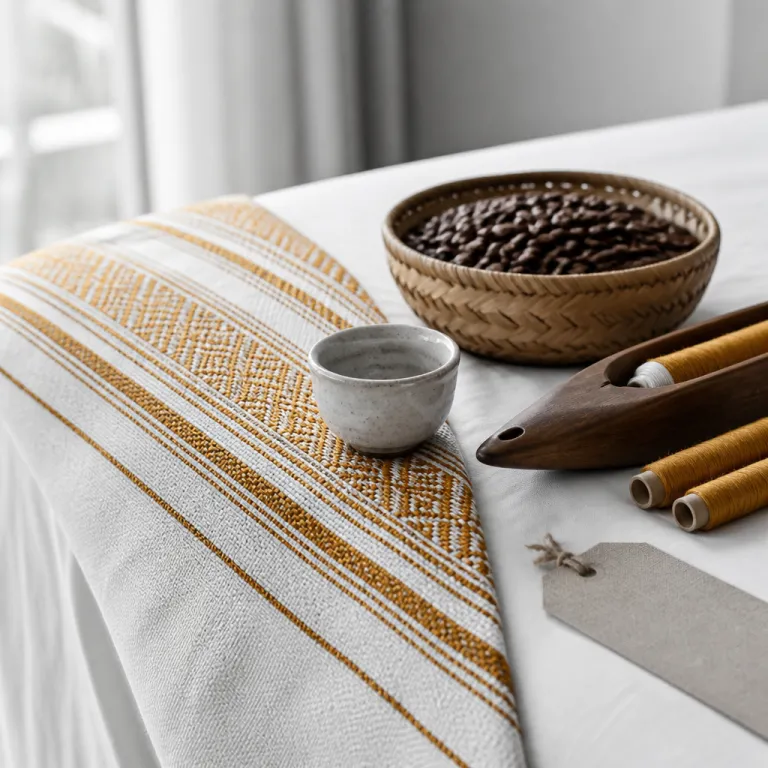
Across Timor, tais textiles function as both art and social currency, and several premium hotels now host weaving workshops on site. Guests who care about where to stay TimorLeste with purpose often choose properties that invite women from nearby villages to demonstrate backstrap loom techniques in shaded courtyards. Over one or two hours, you learn how each color, motif, and region of East Timor carries specific meanings, from ancestral stories to clan alliances.
These workshops usually take place in late afternoon, when the air cools and the swimming pool area becomes quieter. A good hotel will provide comfortable seating, fresh drinking water, and sometimes light snacks, while the weavers explain how long term orders from hotels help stabilize their income beyond local markets. You can commission a custom piece, then see it later displayed in your hotel room or packed carefully for your flight from Nicolau Lobato International Airport.
On Ataúro Island and in some Dili Timor properties, tais sessions are paired with short long talks on sustainable dyes and fair pricing. This is where to stay TimorLeste becomes a direct support to community based tourism, not just a marketing phrase. If you are comparing hotels with similar facilities such as air conditioning, hot water, and a beach location, check which one publishes clear information about artisan payments and workshop schedules, and consult resources like the guide to hotel pools in Timor-Leste to understand how design choices intersect with cultural programming around the pool deck.
Cooking classes and language lessons: culture through taste and words
For many travelers, the most memorable part of where to stay TimorLeste is the food they learn to cook and the words they learn to say. Several Dili hotels and a handful of properties on Ataúro Island now offer structured cooking classes that go beyond a token recipe. You might start in the morning market with the hotel chef, choosing vegetables, fish, and coffee beans while hearing how Timor Leste’s cuisine reflects Portuguese, Chinese, and Indonesian influences.
Back at the hotel, classes often take place in a semi open kitchen near the restaurant, where good air circulation and strong air conditioning keep the space comfortable. Guests prepare dishes such as batar daan (corn and bean stew), grilled fish with tamarind, and coconut rice, learning how to balance flavors and manage hot water safely on local stoves. Many hotels now provide printed recipes and a short travel guide style explanation of each dish, so you can recreate East Timor meals at home long term.
Language basics complete the immersion, with short Tetum lessons scheduled before dinner or after a relaxed coffee by the swimming pool. Staff teach greetings, how to say thank you, and simple phrases for ordering in a restaurant or asking about parking and room facilities. When you evaluate where to stay TimorLeste, ask whether these classes are led by trained teachers and whether group sizes stay small enough for real interaction, especially in mid range hotels that serve both corporate and leisure guests.
From Dili waterfront to Ataúro Island: choosing locations that teach
Geography shapes culture in Timor, so your choice of location is part of the lesson. Along the Dili waterfront, some hotels now structure their programming around the four distinct neighborhoods that line the bay, each with different rhythms, price brackets, and access to beach life. The detailed breakdown in the guide to the Dili waterfront in transition helps you match where to stay TimorLeste with your preferred balance of nightlife, quiet, and cultural proximity.
Near Cristo Rei, beach hotels use sunrise walks, coastal clean ups, and visits to nearby fishing communities to frame the east side of Dili as more than a scenic backdrop. Guests might join early morning coffee ceremonies on the sand, then return to a hotel room where local photographs and tais textiles echo what they have just seen. In this part of East Timor, the best leste accommodation combines reliable air conditioning, hot water, and secure parking with staff who can explain why certain reefs, hills, or shrines matter to local families.
Ataúro Island offers a different kind of immersion, where small hotels and eco lodges integrate reef conservation talks, village walks, and storytelling nights under the stars. Choosing where to stay TimorLeste here often means accepting simpler facilities in exchange for direct access to coral gardens and community projects. Before booking, check whether your preferred accommodation on Ataúro Island provides clear information on boat transfers, fresh water use, and how your stay supports local livelihoods, especially if you plan a short long combination of Dili meetings and island downtime.
Evaluating programs: what discerning travelers should look for
Not every hotel program that mentions culture delivers the same depth or respect, so evaluation matters. When you compare where to stay TimorLeste, start by checking whether cultural activities appear as a core part of the offer or as an occasional add on. Serious properties describe their workshops, language classes, and storytelling nights with as much precision as they describe room categories, swimming pool dimensions, or parking arrangements.
Look closely at website photos and written descriptions to see who leads each activity and how communities are involved. A hotel that names its partners, explains payment structures, and limits group sizes usually offers a more thoughtful experience than one that simply lists “cultural show” among generic facilities. For business leisure travelers used to high standards, this level of transparency should sit alongside expectations for strong air conditioning, reliable hot water, and a quiet hotel room suitable for work calls at night.
Finally, consider how the program fits your own rhythm, whether you are staying short or long term in Dili Timor or splitting time between Timor Plaza meetings and Ataúro Island dives. Some mid range and premium hotels now tailor activities for repeat guests, deepening the content each visit rather than repeating the same script from years ago. When you find where to stay TimorLeste that treats culture as an ongoing conversation rather than a one off performance, you gain both a comfortable base and a living classroom in East Timor.
FAQ
Which areas of Dili are best for culturally focused stays ?
The central waterfront and the eastern stretch toward Cristo Rei work best for travelers who want both comfort and access to cultural programs. Hotels in these areas often combine strong facilities such as air conditioning, hot water, and secure parking with easy access to museums, churches, and community events. When deciding where to stay TimorLeste in Dili, look for properties that publish clear schedules for workshops, talks, and guided walks in their immediate neighborhood.
Do Dili hotels offer enough comfort for business travelers who also want immersion ?
Premium Dili hotels now meet most international expectations for comfort while adding structured cultural content. You can expect reliable Wi-Fi, well equipped hotel room layouts, and restaurant menus that balance Timorese dishes with international options, alongside programs such as tais weaving or language classes. For business leisure guests, the key is to choose where to stay TimorLeste that explicitly caters to both meeting schedules and evening cultural activities.
Is Ataúro Island suitable for luxury travelers interested in culture, not only diving ?
Ataúro Island is best known for its reefs, but several properties now integrate village visits, storytelling nights, and handicraft workshops into their stays. Facilities may be simpler than in central Dili, yet attentive service, good food, and thoughtful programming still appeal to high end travelers. If you care about where to stay TimorLeste with a strong cultural dimension, Ataúro Island works well as a second stop after a more fully serviced Dili hotel.
How can I tell if a hotel’s cultural program is respectful and not just a show ?
Respectful programs usually name their community partners, explain how performers or artisans are paid, and limit group sizes to allow real interaction. Hotels that treat culture seriously describe activities in detail, just as they do their swimming pool, room categories, or parking facilities. When choosing where to stay TimorLeste, prioritize properties that present culture as an exchange with local people rather than a one way performance for cameras.
Can I join cultural activities if I am only staying one night in Dili ?
Many hotels design short format activities such as evening storytelling, coffee tastings, or brief Tetum lessons that fit into a single night stay. If your schedule is tight, contact the property in advance to ask which programs run on your dates and whether you need to reserve a place. Even a short visit can feel meaningful when you choose where to stay TimorLeste that integrates culture into its daily rhythm rather than offering it only on special occasions.