Planning where to stay in Timor-Leste from mountain ridge to reef
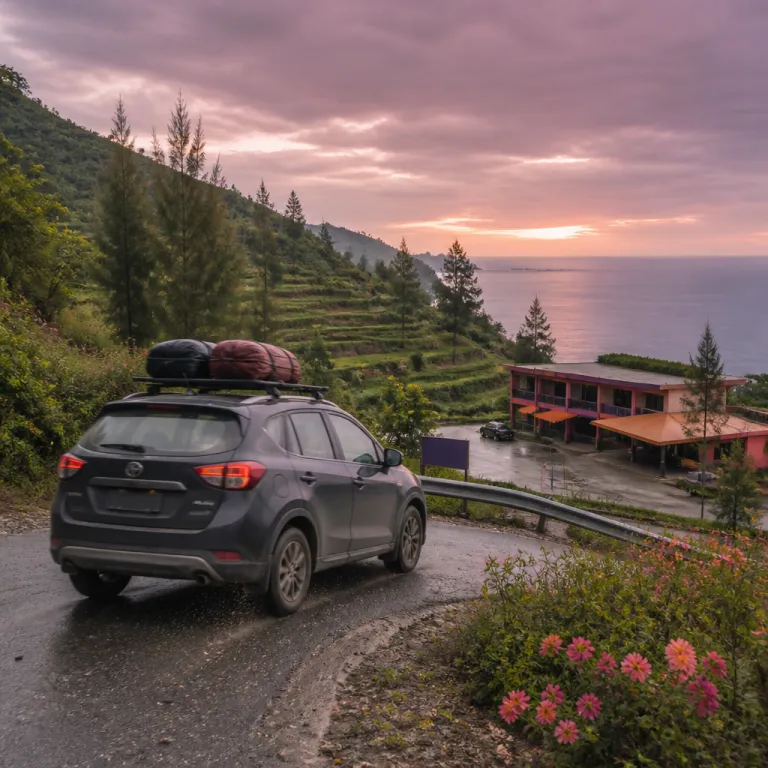
Choosing where to stay in Timor-Leste on a mountain-to-sea route starts with understanding distance, comfort levels and family needs. The drive from Aileu to Dili is about 47 km, with an average travel time of 1.5 hours, yet the shift from cool coffee country to humid coast feels like crossing several climate zones. Families planning overnight stops along this axis should map each hotel, guest house and homestay against realistic driving windows, not just pretty photos.
This itinerary works best as a three to five night loop that links Aileu, Maubisse, Dili and, for those with time, onward to Baucau on the east coast or to the west coast for quieter bays. The official guidance that “Check road conditions. Book accommodations in advance. Carry local currency.” is not a formality here; it is the difference between a smooth premium stay and an unplanned roadside pause with no hot water and no card machine. When you plan where to stay in Timor-Leste, treat every overnight choice as a logistics decision as much as a lifestyle one.
For luxury-leaning families, the mission is to pair character-rich pousada-style properties in the highlands with polished beach hotel options on the coast. That means confirming in advance which stays offer reliable hot water, air conditioning and family rooms, and which eco accommodation or eco lodge options trade some comfort for immersion in nature. Before you lock any booking, ask directly about road access, parking and whether your chosen Dili base can help coordinate a driver between the capital and the uplands.
Aileu and Maubisse: cool air, coffee farms and character stays
Aileu sits in the hills south of Dili, and it is the natural first pause when you leave the capital and wonder where to stay in Timor-Leste away from the heat. The air is cooler, the light is softer and the drive up from Dili quickly swaps sea views for terraced gardens and small coffee plots. Families who stay one or two nights here gain time to visit local markets, walk village lanes and introduce children to Timor-Leste’s coffee culture without long car days.
Accommodation options in Aileu and Maubisse lean toward simple guest house and homestay formats, often in restored Portuguese-era houses that locals still call a pousada even when they operate as private lodgings. In Maubisse, for example, the historic Pousada de Maubisse sits on a hilltop with wide verandas and basic but clean rooms, while smaller family-run guest houses cluster closer to the market square. You will not find a full-scale resort here, but you will find warm guest welcomes, shared meals and rooms that feel part of the landscape rather than sealed off from it.
Maubisse, further south, rewards an extra night with sweeping valley views and easy access to nearby coffee farms, making it a strong second stop on any Timor-Leste accommodation itinerary. The altitude keeps temperatures pleasant, so even eco lodges and simpler eco accommodation feel comfortable for children who might struggle with coastal humidity. One local host summed it up simply: “In the mountains you sleep under a blanket, not under an air conditioner,” a reminder that comfort here comes from climate and character more than from gadgets. For more detail on family-friendly stays, including how to balance rustic charm with safety and space, study the dedicated guide to family friendly stays in Timor-Leste before you confirm bookings.
Dili: capital comforts, beach hotels and the sea end of the road
Rolling back down from Maubisse to Dili, you feel the temperature rise and the landscape open, and this is where to stay in Timor-Leste if you want full-service hotels and easy logistics. The capital concentrates most higher-end stays, from international-style properties near Timor Plaza to smaller beach hotel addresses along the waterfront. For families, this is the place to reset with reliable hot water, strong air conditioning, varied dining and quick access to pharmacies and supermarkets.
When you choose where to stay in Dili, think in zones rather than star ratings, because each area offers a different rhythm. Near Timor Plaza you gain convenience for shopping and quick meals, while along the main beach you trade that for sunset walks, casual cafés and easier access to boat transfers for Dili–Atauro crossings. Well-known names such as Timor Plaza Hotel & Apartments and Hotel Timor offer airport transfers, on-site parking and 24-hour reception, while smaller guest houses along the coast focus more on sea views and informal service.
Families who want a taste of Timor-Leste’s coastal life without leaving the capital can book a beach eco-focused stay in a smaller guest house or homestay along the waterfront. These accommodations often sit steps from the water, so you can swim early, retreat to air-conditioned rooms by midday and head out again for grilled fish dinners. Many city hotels now highlight eco credentials, but always ask how that translates in practice, whether through reduced plastic, solar hot water or partnerships with local eco lodges in the hills. To understand how Dili’s better kitchens are shaping a new standard for hotel dining, read the in-depth feature on the flavours that define Timorese hotel kitchens before you choose your preferred address.
From Dili to Atauro Island: reef front eco lodges and dive resorts
Once you have settled the question of where to stay in Timor-Leste on land, the next decision is whether to extend your road trip by sea to Atauro Island. Boat transfers on the Dili–Atauro route turn the capital’s harbour into a gateway, and within a couple of hours you swap traffic for coral and concrete for sand. For families who love the water, this is where stay choices shift from mountain pousada charm to reef-focused eco lodge and dive resort stays.
Atauro Island is small, but its accommodation options are varied, from simple homestay rooms in villages to polished eco lodges that front directly onto Atauro Beach or quieter coves. Properties such as Atauro Dive Resort, reached via the main Dili–Atauro crossing, position you close to some of Timor-Leste’s best dive and snorkel sites, with house reefs that start a few fin kicks from shore. Hiking to Manucoco Mountain on Atauro offers unparalleled vistas of the Ombai and Wetar Straits, and the resort can help arrange guides, boat transfers and gear rental for families who want to mix reef time with ridge walks.
Families who prefer sand to summits can base themselves near Beloi Beach, where a handful of beach eco-focused stays and low-rise resort-style properties sit right on the water. Here, where stay decisions revolve around how quickly you can move from bed to beach, you should still ask about hot water, room fans and shade, especially if travelling with younger children. For couples considering combining this route with a special occasion, the curated itinerary for a honeymoon in Timor-Leste shows how to link Dili, Atauro Island and inland stays into one seamless journey.
Onward to Baucau and the west coast: coastal drives and quiet bays
From Dili, the coastal road east toward Baucau or west toward quieter bays gives you one more way to refine where to stay in Timor-Leste decisions. The drive to Baucau threads along cliffs and beaches, so families can break the journey with swims, roadside fruit stops and short walks to viewpoints. Accommodation along this stretch ranges from modest guest house stays to small hotels that function almost like a resort for their local area, often with direct beach access.
Baucau itself, with its colonial-era architecture and elevated position above the sea, rewards at least one night, especially for travellers who value character over polish. Here you might stay in a restored pousada-style property with wide verandas, trading some of the capital’s amenities for atmosphere and views over the water. When you plan where to stay in Baucau, ask in advance about hot water, generator backup and whether the property can arrange local guides for walks or cultural visits.
To the west coast of Dili, the road feels wilder, with fewer formal hotels but plenty of chances to pause at small bays and informal beach eco spots. Families comfortable with simpler homestay or guest house stays can find places where the sand is the front yard and the reef begins just offshore, though you should confirm safety, currents and shade before letting children roam. Whether you end your loop in Baucau, on the west coast or back in a Dili hotel, the contrast between mountain air and sea-level humidity will shape how you remember where to stay in Timor-Leste far more than any single room category.
FAQ
What is the best time to travel this Aileu to coast itinerary ?
The best time to travel this Aileu to coast itinerary is during the dry season, because road surfaces are more predictable and river levels are lower. As the dataset notes, “Dry season (May to November).” Families will find that planning overnight stops in Timor-Leste in this period gives them more reliable access to both mountain and coastal accommodations.
Are the roads between Aileu, Maubisse and Dili suitable for self drive ?
Road conditions vary significantly between Aileu, Maubisse and Dili, with some sections paved and others rough or potholed. The guidance that “Varies; some roads may be rough.” reflects real experience, so a 4WD vehicle is recommended, especially in the wet season. Recent updates from local drivers also note that heavy rain can trigger short-term closures for maintenance, so checking with your Dili hotel or guest house the day before you travel is wise.
Is public transport a realistic option for this mountain to sea route ?
Public transport exists in the form of microlets and shared taxis, but it is limited and not designed around family comfort or luggage. The dataset confirms that “Is public transport available? Limited; private transport recommended.” which aligns with what most premium travellers experience on the ground. For families planning stays in Timor-Leste with children, private transport or a hired driver is the more practical and comfortable choice.
How far is Aileu from Dili, and how long does the drive take ?
Aileu lies roughly 47 km south of Dili, and the average travel time is about 1.5 hours in normal conditions. The road climbs steadily, so speeds are lower than the distance might suggest, especially in rain. When you plan where to stay along this stretch, factor in extra time for photo stops, market visits and occasional slow-moving trucks.
What comfort level should I expect from mountain accommodations compared with coastal hotels ?
Mountain accommodations around Aileu and Maubisse tend to be simpler than coastal hotels in Dili or Baucau, often operating as guest house, homestay or pousada-style stays. You can expect clean rooms, cooler temperatures and strong local character, but not always full-service amenities like 24 hour reception or extensive room service. On the coast, especially in Dili, hotels are more likely to offer reliable hot water, air conditioning, family rooms and easier access to restaurants and shops.