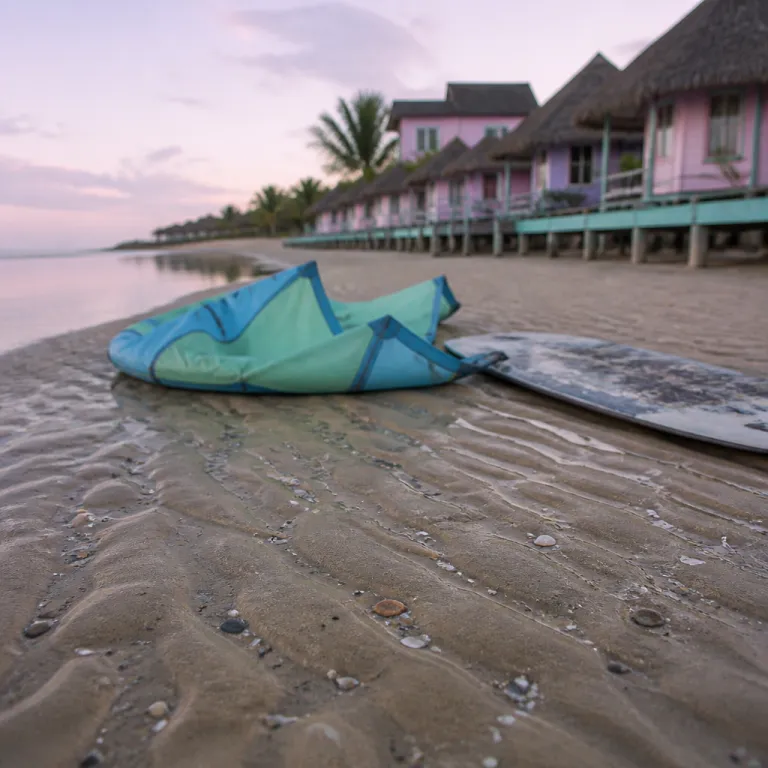
Travel TimorLeste for wind: reading the May to September season
Travel Timor-Leste comes into its own when the dry season trades settle over the country and turn both coasts into a quiet playground for wind sports. From May to September, Timor-Leste sits on the edge of Southeast Asia’s weather systems, so the north coast around Dili often sees steadier 12–18 knot breezes while the south coast channels stronger swell and more rugged wave energy. For solo travellers planning their time to visit, this is the best time for combining kitesurfing, diving and slow days with Leste coffee on a shaded veranda.
Wind on the north coast usually builds late morning, which helps people who prefer a relaxed start and a short transfer of around 15–20 minutes from the international airport in Dili to most waterfront hotels. The south coast of Timor-Leste tends to wake up earlier, with stronger gusts, heavier shore break and shifting sandbars that will suit advanced riders who already understand how to avoid risky shore dumps. When you travel across the country between coasts, allow at least a full day because road conditions and mountain passes slow driving time, and always keep some flexibility in case heavy rain, landslides or a local emergency closes a section.
Timor’s position between West Timor and the deep Banda Sea means the marine life remains unusually rich, so many kitesurfers now plan itineraries that alternate windy afternoons with calm morning dives. This dual focus is shaping Leste travel patterns, because travellers who once came only for diving now stay longer to ride the seasonal wind. If you want detailed travel advice on routes, entry requirements and how to apply for a tourist visa or visa on arrival, use a specialist travel guide that understands East Timor’s infrastructure and cross-check it with the latest information from the Timor-Leste government and immigration authorities.
Dili and the north coast: flat water sessions and easy access stays
Dili is still the most practical base for people starting their travel TimorLeste kitesurfing trip, because the city concentrates hotels, consular help and the only major international airport. Most luxury and premium properties sit along the waterfront road between the port and Areia Branca, so you can check the water state from your balcony before deciding whether to ride, dive or simply visit a café for Leste coffee while you wait for the wind. For detailed arrival logistics, including current routes and how to apply a visa, the most reliable overview usually comes from a recent guide to getting to Timor-Leste and understanding current visa rules.
On the water, the stretch east of Dili towards Cristo Rei and Areia Branca offers forgiving chop and side-onshore wind, which suits intermediate riders and people returning to the sport after a break. You typically launch from narrow beaches close to the coastal road, so timing your entry and exit around mid to low tide helps avoid shore debris and keeps your kite clear of power lines and fishing skiffs. As a practical reference, Cristo Rei beach sits roughly 15–20 minutes by taxi from central Dili, and many riders use the small car parks near the statue access road as a landmark meeting point before walking gear down to the sand.
Because rental infrastructure remains limited, most kitesurfers travelling to Dili bring their own quiver and rely on hotel storage rather than a formal kite center. Expect only occasional ad hoc rentals from resident riders rather than a full-service shop, and bring at least two kite sizes to cover 12–22 knot days. Travel insurance that covers both kitesurfing and diving is essential, since medical evacuation from Timor-Leste to another country in Southeast Asia can be expensive and slow. When you plan your time to visit, remember that the same dry season that brings wind also delivers the clearest diving, so a carefully chosen Dili hotel can anchor a week where you split each day between reef and lagoon.
Ataúro Island and the offshore reefs: dual sport days in Timor Leste
Ataúro Island sits north of Dili and has become the emblem of travel TimorLeste for people who care about marine life and low key water sports. The island is already famous for diving, with walls that drop quickly into deep blue and resident dolphins that sometimes escort the morning boats, yet the same channels that feed the reefs also funnel wind across certain bays such as Beloi and Vila. During the May to September window, you can often kite in the afternoon after a calm morning dive, turning a single day into a dual sport highlight.
Accommodation on Ataúro remains simple but atmospheric, with a handful of eco focused lodges and small guesthouses that understand the rhythm of travelling divers and kiters. They will usually help arrange boat transfers timed around your arrival flight into the capital and can advise on typical crossing times, which often run 60–90 minutes depending on sea state. For a deeper sense of the underwater side of the island, including how the reef feels after dark, read this feature on night dives off Ataúro and the lodges built for them.
Back in the capital, discussions about extending the runway at Dili’s airport are already being treated as a potential turning point for Leste travel, and a careful analysis of any confirmed airport upgrades as an access window explains why more regional flights will matter for kitesurfers. Easier connections from other parts of Southeast Asia and West Timor would shorten overall travel time and make long weekend trips realistic for regional residents. As access improves, expect more premium accommodation both in Dili and on Ataúro, with properties positioning themselves as national hubs for people who want to combine kitesurfing, diving and slow cultural days in East Timor.
South coast swells, safety and practical entry requirements
The south coast of Timor-Leste feels wilder than the north, with heavier swell, fewer villages and long beaches that catch the full force of the Indian Ocean. This is where experienced riders will find more powerful wave riding, and where foiling and paddleboarding also start to make sense on calmer days when the wind drops but the ocean still moves. Regional demand for such mixed water sports is growing fast, and the fact that high-end Indonesian resorts on nearby islands now include foiling as a guest activity shows how Southeast Asia’s premium travellers are thinking about their time on the water.
Because infrastructure is sparse, you must treat south coast trips as mini expeditions rather than casual day excursions from Dili. Bring all your own kitesurfing equipment, a repair kit, spare lines and enough cash, since card terminals are unreliable and mobile coverage can fail in an emergency. Travel insurance that covers remote evacuation is non negotiable, and you should share your route with your hotel in the capital so staff can help coordinate if bad weather, road closures or a medical issue delays your return.
Before you even reach the water, pay close attention to entry requirements, because the country’s immigration rules still catch some people by surprise. Many nationalities can obtain a tourist visa on arrival at the international airport in Dili, but others must apply for a visa in advance, so always check the latest national guidance from Timor-Leste’s official immigration channels and carry a passport with at least six months validity. When planning your travel TimorLeste itinerary, remember that the history of Indonesian occupation still shapes local attitudes, so respectful behaviour, patience at checkpoints and a willingness to listen will help you build genuine connections in both urban Dili and remote coastal communities.
Equipment, instruction and what Avon, NC quietly teaches Timor Leste
For now, kitesurfing instruction in Timor-Leste remains informal, often led by experienced expatriates or returning Timorese who learned abroad and now help friends progress from body dragging to their first upwind runs. Prices vary widely, but you should expect to pay a fair private lesson rate that reflects the lack of rental infrastructure and the time instructors spend scouting safe launch spots and checking tides. Always ask about safety equipment, rescue plans and whether your guide carries a marine radio or at least a charged phone in a waterproof case.
Looking at mature kitesurfing destinations can help you understand where travel TimorLeste might be heading. In Avon, North Carolina, for example, several schools operate along a single stretch of coast, and local tourism data notes that the average wind speed in July reaches around 15 miles per hour, which supports a full season of lessons and rentals. The local tourism board there answers common questions very directly, such as “When does the kitesurfing season start in Avon, NC?” and “Are there kitesurfing schools in Avon?”, and that clarity around season dates, equipment rentals and safety expectations is exactly what Timor can emulate as its own kitesurfing scene grows.
As more travellers arrive with both kites and dive computers, luxury hotels in Dili and on Ataúro will need to adapt with secure gear rooms, rinse areas and staff training focused on water sport logistics. A thoughtful travel guide or specialist agency can already help you stitch together a week that balances flat water sessions near the capital, reef exploration around the island and perhaps a scouting trip towards the south coast. If you time your visit for the best time between May and September, respect local conditions and carry the right insurance, travel across East Timor becomes a rare chance to ride uncrowded wind in a country where the coral, the coffee and the independence story all share the same horizon.
FAQ
When is the best time to visit Timor Leste for kitesurfing ?
The most reliable kitesurfing season in Timor-Leste runs from May to September, when dry trade winds stabilise across both the north and south coasts. During this period, Dili and Ataúro Island usually offer gentler 12–18 knot conditions, while the south coast sees stronger swell and more powerful waves. Planning your travel TimorLeste trip within these months also aligns with the clearest diving and more comfortable daytime temperatures.
Do I need a visa and what are the entry requirements ?
Entry requirements for Timor-Leste depend on your nationality, so you must check official guidance before travelling. Many visitors can obtain a tourist visa on arrival at the international airport in Dili, while others must apply for a visa in advance through a consulate or embassy. Whatever your situation, ensure your passport has at least six months validity and carry proof of onward travel and accommodation bookings, then verify details against the latest notices from Timor-Leste’s government.
Is there kitesurfing equipment rental or should I bring my own gear ?
Rental options for kitesurfing equipment in Timor-Leste are still very limited, especially outside Dili. Most experienced riders bring their own kites, boards, harnesses and safety gear, then use hotel storage or simple beach shacks as a base. If you are new to the sport, arrange lessons and any possible rentals in advance through local contacts or specialist agencies rather than assuming you can hire gear on the day.
Can I combine kitesurfing with diving during one trip ?
Combining kitesurfing and diving is one of the strongest reasons to travel TimorLeste during the dry season. Calm mornings often suit reef dives around Ataúro Island or near Dili, while the afternoon wind builds for kite sessions on the same day. Make sure your travel insurance covers both activities, and leave enough surface intervals between deep dives and any flights out of the country.
How safe is kitesurfing in Timor Leste for solo travellers ?
Timor-Leste feels welcoming for solo travellers, but kitesurfing safety depends on your preparation and respect for local conditions. Always ride with at least one other person, carry a charged phone in a waterproof case and tell your hotel where you plan to launch and land. Because emergency services and formal rescue infrastructure are limited, conservative decisions about wind strength, launch spots and daylight hours are essential.