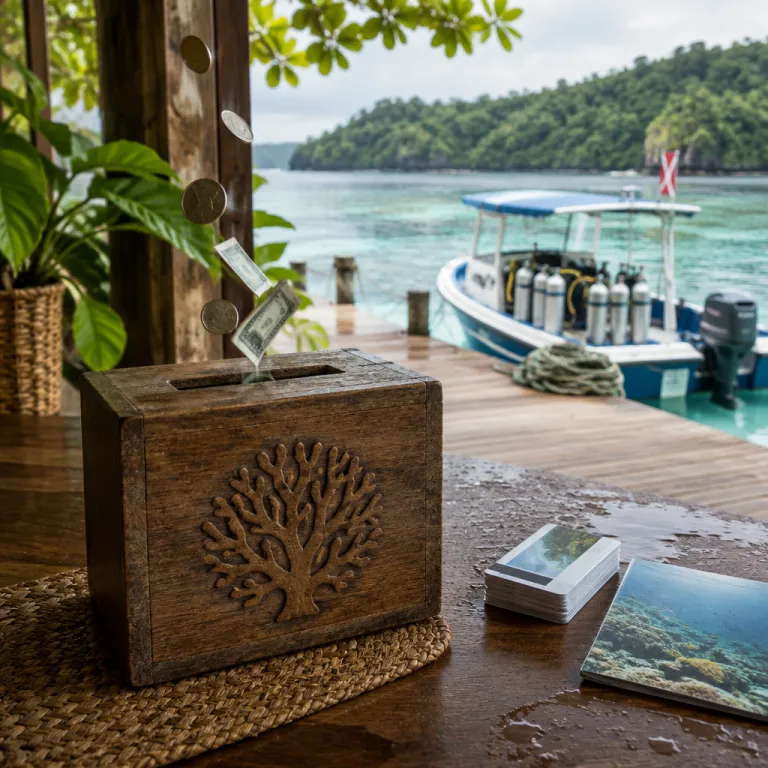
The solo traveller’s guide to high-impact accommodation in Timor-Leste
Choosing accommodation in Timor-Leste is not just about a good room. Your bed in Dili or on Ataúro Island can quietly decide whether reef patrols run next month and whether village guides keep leading whale watching trips. For a solo guest, the right hotel or eco-lodge turns a simple stay into direct support for marine conservation and community income.
Start in Dili, where most journeys to Ataúro Island begin and where the accommodation Timorleste landscape ranges from heritage addresses to modern plaza hotels. A classic hotel in Dili such as Hotel Timor or Novo Turismo is useful for a late arrival, especially if you want a hotel comfortable enough to reset before the boat. Look for hotels in Dili that can clearly explain transfers, have staff who know the ferry schedule and can talk about why Ataúro’s reefs matter, not just sell you a resort package.
Location in Dili shapes your first impressions of Timor-Leste and sets the tone for your trip. A Dili hotel on the waterfront gives you a beach view across the Wetar Strait, while a property closer to Timor Plaza or a central plaza hotel style address suits business travellers who still plan to reach the island later. Read previous guest reviews carefully and look for mentions of staff knowledge, reliable information about boats and whether the hotel restaurant or bar stocks Timorese coffee and local produce rather than only imported brands.
Even before you reach Ataúro Island, you can start thinking like a conservation-minded guest. Ask your chosen hotel Dili or hotels Dili wide whether they recommend specific eco-lodges on the island and why. Their answers reveal whether they see Ataúro as just another beach resort destination or as a fragile marine environment where every room and every dive fee counts.
On Ataúro Island, why your bed is a conservation tool
Once you leave Dili by boat, the logic of accommodation Timorleste changes completely. On Ataúro Island, the most interesting places to stay are not defined by a vast swimming pool or a polished resort lobby but by how deeply they are woven into village life and reef protection. The island’s high-end options, from Beloi Beach Hotel and Atauro Dive Resort to Barry’s Place and the eco-lodges at Adara, Afonsu and Moises, all sit within walking distance of the water that funds them.
Atauro Dive Resort is a good example of how a hotel can double as a conservation hub. The property runs PADI accredited courses and guided trips, and a portion of those dive fees supports local boat crews, reef monitoring and training for young Timorese guides. When you book a room there, you are not paying for a generic beach hotel experience but for access to a house reef where the dive master probably knows every coral head by name.
Community-run lodges such as Barry’s Place or the eco-lodges on the island’s west coast work differently from a conventional resort yet still feel hotel comfortable for a solo traveller. Your simple room or set of rooms might be cooled by sea breeze rather than air conditioning, but your nightly rate is split between staff wages, village funds and reef patrol fuel. Ask how much of your stay goes into marine management and you will usually get a clear percentage, not a vague promise.
Pool culture on Ataúro is the ocean itself, not a chlorinated outdoor swimming pool framed by palm trees. If you crave a pool, save that for a Dili hotel with a proper swimming pool and perhaps a small fitness center, then treat Ataúro as your open water spa. For context on how Timor-Leste’s best hotel pools relate to the sea, read this guide to why infinity edges face the Wetar Strait before you choose where to stay on the mainland.
Following the money: from room rate to reef patrol
To understand the dive-fee economy behind accommodation Timorleste on Ataúro, you need to trace where your money goes. A typical solo guest night at a community lodge might be divided between staff salaries, food purchases from local farmers and fishers, maintenance and a dedicated reef fund. That reef fund often pays for fuel and stipends for community patrols that check for illegal fishing and monitor coral health.
In contrast, a more conventional beach hotel model that imports most supplies and employs fewer locals sends a larger share of your room rate back to owners in Dili or overseas. The property may still offer a pleasant pool, a palm shaded bar and a restaurant with a wide range of dishes, but the economic link to the surrounding village and reef is weaker. As a solo traveller, you can ask very specific questions at check in and during your stay to see which model you are supporting.
Start with employment. Ask how many staff come from the immediate village and how many from other parts of Timor-Leste, and whether there is a training pathway for young people into dive guiding or hospitality. Then ask about partnerships with local fishers and farmers, and whether the hotel restaurant bar buys directly from them or through distant wholesalers that bypass the island economy.
Finally, ask about marine management contributions in exact terms, not just whether the hotel or resort “supports conservation”. A strong answer might explain that a fixed percentage of every room, every dive and every whale watching trip goes into a transparent community fund. If the team can show you previous reports or invite you to a village meeting about reef rules, you know your accommodation choice in Timor-Leste is doing more than offering a good view.
How to read reviews and ask the right conservation questions
Online reviews are one of the most powerful tools for choosing accommodation Timorleste that aligns with your values. When you scan feedback for hotels in Dili, for a plaza hotel near Timor Plaza or for an eco-lodge on Ataúro Island, look beyond comments about the room and the pool. Pay attention to how guests describe staff engagement with the environment and the community.
Reviews that mention reef briefings, respectful snorkelling guidelines and clear explanations of marine rules usually signal a conservation-minded operation. If previous guests talk about joining beach clean ups, visiting nearby villages with local guides or learning about Timor-Leste’s extraordinary cetacean diversity, you are likely looking at a property where your stay supports more than just a bar tab. Remember that this small nation hosts over a third of the world’s known cetacean species, so any serious dive or whale watching operator should be able to explain how they minimise disturbance.
Before you book, email or message the property with a short list of questions. Ask how dive fees are structured, whether there is a separate marine conservation levy and how that money is managed. Then ask whether they cap group sizes for dives and snorkelling, and whether they avoid sensitive sites during key breeding or migration periods.
For Dili stays, especially if you are combining business and reef time, choose properties that understand both sides of the trip. This overview of business travel hotels with reliable Wi-Fi and transfers can help you find a hotel Dili option that balances work needs with easy access to the boat. Once you are on Ataúro, keep asking questions in person, because a genuinely conservation-focused team will welcome the conversation rather than deflect it.
From Dili’s shoreline to Ataúro’s reefs: mapping your high-impact route
Planning a high-impact trip through Timor-Leste means thinking about accommodation Timorleste as a chain of decisions, not a single booking. You might start with one night in a Dili hotel near the waterfront, where you can walk the beach at sunset and see the outline of Cristo Rei on the headland. From there, you move to Ataúro Island for several nights in a community-run lodge, then perhaps return to the mainland for a final night near Timor Plaza before your flight.
On the mainland, properties such as Hotel Timor, Novo Turismo or a well-run plaza hotel style address near the central plaza offer a comfortable base. Many have a swimming pool or at least an outdoor swimming area, a small fitness center and a restaurant bar that serves both international dishes and Timorese favourites. When you read about hotel pools in Timor-Leste, remember that the most meaningful water on this trip is still the reef you will dive or snorkel on Ataúro.
Use your time in Dili to understand the broader context of Timor-Leste’s landscapes and history. A day trip to Balibo Fort or a sunrise walk up to Cristo Rei gives you a sense of the country beyond the beach and the pool. Even your choice of a simple beach hotel on the city fringe, perhaps shaded by a palm or two and looking across to Ataúro, can be part of a more thoughtful route if the property sources locally and treats staff well.
For timing, consider travelling in the shoulder weeks when seas are usually calm but crowds are thinner. This detailed guide to underrated shoulder season travel explains why those periods suit both solo explorers and marine life. Fewer guests mean your presence and your room rate on Ataúro Island stand out even more in the village ledger and the reef patrol fuel budget.
Choosing between properties: practical comparisons for the solo explorer
When you compare accommodation Timorleste options side by side, think in terms of trade offs rather than a simple best or worst list. A heritage hotel in Dili such as Hotel Timor is better for travellers who want history, central location and a formal restaurant, while a newer Dili hotel near Timor Plaza excels at access to cafés, shops and a more contemporary bar scene. On Ataúro Island, Atauro Dive Resort is stronger for structured diving and PADI courses, while Barry’s Place and the west coast eco-lodges shine for slow days, village interaction and sunset views.
If you crave a classic resort feel with a large pool, landscaped palm gardens and a wide range of room categories, you will find more of that on the mainland than on the island. Some travellers compare the idea to a Springs Hotel or a Palm Springs style retreat, but Timor-Leste’s version is always smaller scale and closer to the sea. Remember that on Ataúro, the absence of a big pool is a feature, not a flaw, because it keeps energy use low and attention fixed on the reef.
Solo guests often worry about feeling isolated, yet the social architecture of eco-lodges usually solves that. Shared meals, small group dives and evening briefings at the restaurant bar create natural points of connection without forcing interaction. If you prefer more privacy, choose a property where rooms are spaced out along the beach or tucked behind a line of palm trees, so you can step in and out of the social flow as you like.
Whatever you choose, keep asking where your room rate and dive fees go. In Timor-Leste, and especially on Ataúro Island, the most rewarding hotels and lodges are those where staff can map a clear line from your bill to reef patrols, village income and the long term health of the marine life you came to see. That is the real luxury in this part of the world, and it starts the moment you decide where to sleep.
FAQ
How do I choose accommodation in Timor-Leste that genuinely supports reef conservation ?
Look for properties on Ataúro Island and in Dili that can explain exactly how much of your room rate and dive fee goes into marine management. Ask about community reef patrols, training for local guides and whether there is a transparent conservation fund. Reviews that mention reef briefings, respectful snorkelling rules and village partnerships are strong positive signs.
Is it better to stay in Dili or go straight to Ataúro Island ?
Most travellers benefit from at least one night in Dili to rest, organise cash and confirm boat logistics. A well located hotel in Dili near the waterfront or Timor Plaza makes transfers easier and lets you see Cristo Rei or the city’s shoreline. If boat schedules align and you are comfortable travelling immediately, going straight to Ataúro maximises your time on the reef.
Do any luxury style properties on Ataúro Island have pools or fitness centers ?
Ataúro’s higher end options focus on access to the ocean rather than built amenities like large pools or fitness centers. You will find comfortable rooms, good food and professional dive operations, but the sea is the main swimming pool. If you want a classic resort pool or gym, plan to use hotels in Dili for that part of your trip.
What questions should I ask a dive operator about conservation before booking ?
Ask how they limit group sizes, whether they avoid sensitive sites during key seasons and how they brief guests on reef safe behaviour. Then ask how dive fees are allocated and whether any portion goes into a community managed marine fund. A serious operator will answer clearly and may share examples of previous conservation projects they have supported.
Can I visit Balibo Fort and still focus my trip on marine life ?
Yes, many travellers combine a cultural day trip to Balibo Fort with several days on Ataúro Island. Use Dili as your base for the fort excursion, then shift to an eco-lodge or dive resort on the island for reef time. This mix gives you both historical context and high impact marine experiences within a single itinerary.