Dili’s waterfront elegance and urban luxury in timor leste
Dili is the natural starting point for any luxury focused journey through Timor-Leste. The capital stretches along the north coast of the island Timor, where calm water and mountain backdrops create a striking setting for premium hotels. In this part of the country, you can book spacious suites that frame sunsets over the Timor-Leste horizon and still be only a short drive from government Timor institutions and embassies.
Many high end properties in Dili balance Timorese character with international standards of comfort. Guests often arrive on flights from Indonesia, Portugal, the United States, and other Asia Pacific hubs, so services are tailored to both regional and wider international expectations. You will find multilingual staff who can navigate several languages Timor visitors commonly speak, including English, Portuguese, and Bahasa Indonesian, which makes arranging private drivers, curated city tours, and restaurant reservations remarkably smooth.
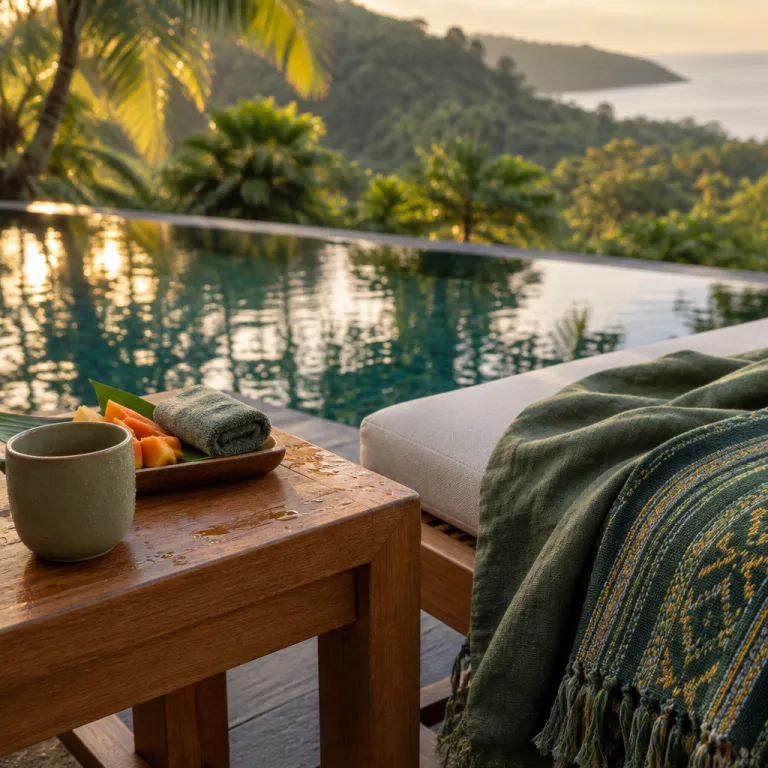
The waterfront area can be easily accessed from the airport in less than 20 minutes by car. Here, luxury hotels line the bay, offering pools that almost blend into the water of the Ombai Strait and terraces where people gather for refined sunset drinks. Some properties sit close to the Government of Timor-Leste buildings and the Office of the Prime Minister, which appeals to business travellers who combine meetings with leisure.
Staying in Dili also places you near important historical sites that shaped the independence story of this young country. The Santa Cruz cemetery, known for the tragic violence during the Indonesian occupation, is a short drive from most central hotels and is often included in private guided tours. Many Timorese guides share personal or family memories of the occupation period, which gives context to the role of the United Nations and international support Timor-Leste received on its path to independence.
Luxury travellers who value culture can book hotels near the waterfront promenade and the main Catholic cathedral. From there, it is easy to explore museums that present articles, photographs, and testimonies about human rights abuses, resistance networks, and the long relationship between Timor-Leste and Portugal. These curated spaces help visitors understand how development, oil gas revenues, and political stability are reshaping the capital and influencing new premium hotel projects across Timor-Leste.
For those planning online, a dedicated luxury and premium hotel booking website focused on Timor-Leste often highlights Dili’s best rated properties first. These platforms usually allow stays to be filtered by proximity to the beach, by access to meeting rooms for international delegations, or by services tailored to different ethnic groups within the Timorese population. When you compare options, look for hotels that clearly state their water treatment systems, as reliable drinking water and strong environmental practices are essential markers of quality in this part of Southeast Asia.
Heritage charm and premium stays in portuguese era architecture
Beyond the modern seafront, some of the most atmospheric luxury stays in Timor-Leste are set inside restored Portuguese era buildings. These properties often occupy former administrative houses or merchant residences that date back to the time when Portugal governed the east of island Timor. Thick stone walls, shaded verandas, and high ceilings create a cool refuge from the tropical heat, while interiors blend Timorese textiles with subtle Portuguese design cues.
Travellers interested in architecture can use a specialized booking platform to focus on this heritage segment of the market. One detailed guide to Portuguese era architecture and the hotels built inside it explains how these conversions respect local building traditions and modern safety standards. When you browse such articles, pay attention to how each property has been accessed by restoration teams and whether original materials were preserved or replaced during development.
Staying in these historic hotels offers a direct link between the Timorese present and the Portuguese past. Many owners are Timorese families who lived through the Indonesian occupation and later invested in careful restoration once independence was secured. Their stories often reference the role of the United Nations and international partners who encouraged cultural preservation as part of broader human rights and post conflict development programs.
Rooms in these properties tend to be generous in size, with polished timber floors and tall windows that frame views of the sea or the hills of Timor-Leste. You might wake to the sound of church bells, then step out to cobbled streets where people speak several languages Timor residents use daily, from Tetum to Portuguese and Indonesian. This multilingual environment reflects the complex history of the country, which has long balanced influences from Indonesia to the west and Portugal and other Europe based partners to the east.
Luxury services in these heritage hotels are increasingly aligned with international expectations. Guests can expect high quality linen, reliable hot water, and curated dining that highlights Timorese ingredients such as fresh seafood, mountain coffee, and seasonal fruits from across island Timor. Wine lists often feature bottles from Portugal alongside Australian and New Zealand labels, which underlines how the Asia Pacific region now connects with Timor-Leste through tourism as well as through oil gas and security cooperation.
For travellers comparing heritage options, it is wise to read recent guest articles and reviews on specialized booking websites. Look for comments about how well the property balances preservation with comfort, whether the Government of Timor-Leste heritage regulations are respected, and how staff interpret the history of the building. A strong sense of place, combined with discreet service and respect for Timorese culture, usually signals a premium experience that justifies higher nightly rates in this emerging Southeast Asia destination.
Beachfront retreats near dili and along the north coast
North coast beaches within easy reach of Dili offer some of the most relaxing luxury stays in Timor-Leste. Travellers can book villas and suites that sit only a few metres from clear water, with coral reefs visible from the shore. These coastal properties are ideal for people who want to combine city access with quiet evenings under the stars of the Asia Pacific sky.
Areas such as Areia Branca, Cristo Rei, and the coastal stretch towards Hera host a growing collection of premium hotels and villas. Many of these retreats are owned or managed by Timorese entrepreneurs who returned after independence, often with experience gained in Indonesia, Portugal, or the United States hospitality sectors. Their approach blends local warmth with international service standards, which is particularly appealing to guests who value both authenticity and comfort.
Late dry season is a particularly attractive time to stay on these beaches, when seas are calm and visibility for snorkelling is high. A detailed guide to late August in Timor-Leste and the shoulder weeks before the rains explains why these quieter periods can offer excellent value for luxury travellers. During these weeks, you can often secure upgraded rooms or inclusive packages on a premium hotel booking website that specialises in Timor-Leste stays.
Many beachfront properties emphasise sustainability, which is crucial in a country where water resources and coastal ecosystems are fragile. Look for hotels that treat grey water, limit single use plastics, and support Timorese staff training programs that build long term skills. Some owners work closely with Government Timor agencies and international NGOs to protect coral reefs and to monitor the impact of development on local fishing communities.
Security concerns that once dominated articles about Timor-Leste have eased significantly, and the north coast is now considered calm for visitors. The violence that marked the Santa Cruz massacre and other episodes during the Indonesian occupation is part of history, not daily life along these beaches. Local people are generally welcoming, and many speak at least one of the main languages Timor visitors use, which makes arranging boat trips, diving excursions, or cultural visits straightforward.
When comparing beachfront options, consider how easily each property can be accessed from Dili by paved road. Some villas sit closer to West Timor and the land border with Indonesia, while others are firmly within the central coastal corridor of Leste Timor. If you plan to explore multiple parts of island Timor, choose a hotel that offers flexible transport, understands cross border regulations with Indonesia, and can coordinate with international airlines or the United Nations charter services that sometimes operate in the region.
Atauro island: eco luxury and marine adventures off timor’s coast
Atauro Island lies just north of Dili and has become a leading eco luxury destination in Timor-Leste. The island Timor visitors see here is quieter and more rural than the capital, with small villages, clear water, and some of the highest recorded marine biodiversity in the Asia Pacific region. Reaching Atauro usually involves a boat transfer from Dili, which can be arranged through your hotel or a specialised premium booking website.
Accommodation on Atauro ranges from comfortable eco lodges to more refined villas that still respect the island’s low impact ethos. Many properties are owned or staffed by Timorese families who prioritise community development and environmental protection. They often work with international marine scientists and NGOs to monitor coral health, manage waste, and ensure that tourism revenue supports local schools and health posts across this part of Timor-Leste.
Guests come to Atauro for snorkelling, diving, and the sense of space that only a sparsely populated island can offer. The water clarity is exceptional, and it is common to see dolphins and, in some seasons, migrating whales passing between Timor and other parts of Southeast Asia. Luxury experiences here are defined less by marble lobbies and more by private guided dives, freshly cooked seafood, and the chance to engage with Timorese people in a respectful, unhurried way.
Because Atauro is more remote than Dili, it is important to check how your chosen property manages logistics. Ask how supplies are accessed, how drinking water is treated, and what backup systems exist for electricity and communications. Responsible operators will be transparent about these details and will often reference cooperation with the Government of Timor-Leste, the United Nations, or international donors who have supported infrastructure development on the island.
Historically, Atauro was used as a place of exile during the Indonesian occupation, and some older residents still recall that period of hardship. Today, however, the island represents a different chapter in the country’s story, one focused on human rights, sustainable livelihoods, and carefully managed tourism. When you read articles about Atauro on specialist sites, you will notice frequent references to community based projects that aim to ensure that people benefit directly from visitor spending.
For travellers comparing eco luxury options, it is wise to consider how each property engages with local ethnic groups and cultural practices. Some lodges offer language lessons that introduce visitors to Tetum and other languages Timor communities speak, while others organise visits to traditional ceremonies with clear guidelines on respectful behaviour. This emphasis on cultural sensitivity, combined with world class marine experiences, makes Atauro one of the most distinctive high end destinations in Leste Timor and the wider Asia Pacific region.
The eastern tip: jaco island, tutuala, and wild luxury
The far east of Timor-Leste offers a very different kind of premium travel experience, defined by remoteness and raw landscapes. Jaco Island, an uninhabited islet off the coast near Tutuala, is often described as one of the most beautiful places in the country. Its white sand beaches and clear water are protected by law, and overnight stays on the island itself are not permitted, which helps preserve its fragile ecosystems.
Luxury in this part of Timor-Leste is therefore based on staying in comfortable lodges or guesthouses on the mainland, then visiting Jaco Island by boat during the day. Properties around Tutuala and the eastern coast are simpler than high end hotels in Dili, but some offer premium services such as private guides, tailored birdwatching excursions, and carefully prepared meals using local ingredients. Travellers who choose this region usually value seclusion, nature, and the chance to see how Timorese communities live far from the capital.
The road to the east has improved over time, reflecting broader development efforts supported by the Government of Timor-Leste and international partners. Driving from Dili to Tutuala allows you to see varied landscapes, from coastal plains to forested hills, and to pass through towns where people speak different languages Timor is known for, including local dialects tied to specific ethnic groups. This linguistic diversity is one reason why the constitution recognises both Tetum and Portuguese as official languages, while Indonesian and English are widely used as working languages.
Historically, the eastern districts played a significant role in the resistance against the Indonesian occupation. Many Timorese fighters operated from these rugged hills, and stories of that period are still shared in village gatherings and local commemorations. Visitors who take time to listen gain a deeper understanding of how human rights abuses, international solidarity, and the eventual intervention of the United Nations shaped the independence of this Southeast Asia country.
Because infrastructure remains limited in the far east, travellers should pay close attention to how their chosen lodge manages water, waste, and energy. Some properties rely on solar power and rainwater collection, while others coordinate with Government Timor agencies to improve access to basic services. When booking through a specialised luxury platform, look for clear information about these systems and about how the property contributes to local employment and education.
For those who appreciate wild luxury, the combination of Jaco Island’s pristine beaches, the cultural depth of nearby villages, and the sense of being at the literal east end of island Timor is compelling. This is not a region for travellers who need constant connectivity or extensive spa menus, but it rewards those who value silence, star filled skies, and meaningful contact with Timorese hosts. As tourism grows, responsible operators and international partners aim to ensure that development here respects both the environment and the rights of local people.
Booking smarter: using premium platforms and ai planners for timor
Planning a luxury trip to Timor-Leste is easier when you use specialised booking platforms that understand the country’s unique context. General international sites may list some hotels, but they often miss smaller high end properties owned by Timorese families or by investors from Portugal and other Asia Pacific countries. A dedicated luxury and premium hotel booking website focused on Timor can provide richer descriptions, better maps, and more accurate information about access, services, and cultural experiences.
One tourism portal has recently relaunched with an AI based planner designed specifically for high end stays in Timor-Leste. This tool, explained in detail in a guide to what the new AI planner does for luxury stays, helps travellers match their preferences with suitable properties across Dili, Atauro, and the eastern districts. By analysing factors such as desired level of privacy, interest in history, and tolerance for long drives on mountain roads, it can suggest itineraries that respect both comfort and the realities of infrastructure in Leste Timor.
When using any booking platform, pay attention to how clearly it explains the political and historical background of the country. Responsible sites acknowledge the legacy of violence during the Indonesian occupation, the role of the United Nations in supporting independence, and ongoing human rights and development challenges. This context matters because it shapes how local people view tourism, how the Government of Timor-Leste regulates investment, and how oil gas revenues are used to fund roads, airports, and coastal protection.
High quality platforms also provide practical details about how each property can be accessed. They should specify whether transfers from the airport or from West Timor border posts are included, how long boat rides to Atauro or Jaco Island take, and what safety standards apply. For travellers arriving from Indonesia, Portugal, the United States, or other international gateways, this level of transparency builds trust and helps avoid misunderstandings.
Another sign of a reliable booking site is the depth of its articles and destination guides. Look for content that explains the diversity of ethnic groups in Timor-Leste, outlines the main languages Timor residents speak, and highlights community projects that benefit from tourism. Platforms that show clear support for Timor based initiatives, rather than only promoting foreign owned resorts, tend to align better with the values of discerning travellers who care about social impact.
Finally, consider how a platform handles payments, cancellations, and communication with hotels. In a young Southeast Asia destination like Timor-Leste, where systems are still evolving compared with neighbouring Indonesia, strong relationships between booking sites, the Government Timor agencies, and local operators are essential. When these relationships function well, they create a smoother experience for guests and help ensure that tourism contributes positively to the long term stability and prosperity of this resilient country on island Timor.
Understanding timor’s context: history, politics, and respectful travel
Choosing a luxury hotel in Timor-Leste is not only about amenities and views. It also involves understanding the broader context of a country that emerged from a long struggle for independence and is still shaping its development path. Travellers who take time to learn about this history often find their stay more meaningful and their interactions with Timorese hosts more respectful.
Timor-Leste occupies the eastern half of island Timor, with West Timor forming part of Indonesia to the west. After centuries of Portuguese rule in the east and Dutch then Indonesian influence in the west, the territory experienced a turbulent period marked by the Indonesian occupation. During those years, violence, forced displacement, and human rights abuses were widespread, culminating in events such as the Santa Cruz massacre that drew international attention and eventually stronger support for Timor’s self determination.
The path to independence involved complex negotiations, a United Nations supervised referendum, and a transitional administration that helped build the foundations of the new state. Today, the Government of Timor-Leste operates as a democratic system with a president and a prime minister, and it works closely with partners across the Asia Pacific region. Oil gas revenues from offshore fields have funded many infrastructure projects, though debates continue about how best to balance immediate development needs with long term sustainability.
For visitors, this context has several practical implications. First, it explains why people may speak a mix of languages Timor is known for, including Tetum, Portuguese, Indonesian, and English, often within the same conversation. Second, it highlights why respect for local customs, for veterans of the resistance, and for the role of the Catholic Church is important when engaging with communities in both urban and rural parts of Timor-Leste.
Luxury travellers can contribute positively by choosing hotels and tour operators that demonstrate clear ethical standards. Look for properties that employ and train local staff from different ethnic groups, that source food and materials from Timorese producers, and that engage constructively with Government Timor regulations on land use and environmental protection. When platforms or hotels mention partnerships with the United Nations, international NGOs, or universities from Portugal or the United States, this can indicate a commitment to higher standards of accountability.
Finally, remember that Timor-Leste remains a relatively small and young country in Southeast Asia, where tourism is still developing compared with neighbouring Indonesia or other Asia Pacific destinations. This reality brings both challenges and rewards for travellers who book premium stays here. You may encounter occasional power cuts or limited road access, but you will also experience genuine hospitality, uncrowded beaches, and the sense of witnessing a nation that is carefully writing its next chapter after a difficult past.
Key figures for luxury and premium travel in timor leste
- Timor-Leste receives roughly 80 000 to 100 000 international visitors per year, according to Government tourism statistics cited by the Ministry of Tourism, Commerce and Industry, which keeps even the most popular luxury destinations relatively uncrowded compared with other Southeast Asia countries.
- Oil gas revenues account for a significant share of national income, with the Petroleum Fund reported by the Central Bank of Timor-Leste as being valued in the tens of billions of US dollars in recent annual reports, which underpins public investment in roads, airports, and coastal protection that benefit high end tourism.
- Dili’s main international airport handles direct flights from Indonesia and Australia, with flight times of around 1.5 to 2.5 hours from major hubs such as Denpasar and Darwin, making short luxury breaks in Timor-Leste feasible for regional travellers.
- Atauro Island’s surrounding waters have been identified by marine researchers, including studies supported by Conservation International and partner universities, as having some of the highest recorded reef fish diversity in the world, placing this part of island Timor among top global diving destinations for eco luxury travellers.
- More than 30 languages Timor communities speak are recognised by linguists working with the National Institute of Linguistics in Dili, reflecting the diversity of ethnic groups that shape cultural experiences available to visitors across different regions of Leste Timor.
Faq about luxury and premium hotel booking in timor leste
Is timor leste safe for luxury travellers today ?
Timor-Leste is generally calm for visitors, and the large scale violence associated with the Indonesian occupation has ended. Dili and main tourist areas such as Atauro and the eastern coast experience low levels of crime against tourists, especially when travellers use reputable hotels and transport. As in any country, it is wise to follow local advice, respect community norms, and stay informed through your embassy or trusted news sources.
How do i reach timor leste for a high end stay ?
Most luxury travellers arrive by air at Dili’s international airport, with regular flights from Indonesia and seasonal or connecting services from Australia and other Asia Pacific hubs. From Dili, premium hotels can arrange private transfers by car or boat to coastal retreats, Atauro Island, or eastern lodges. Overland entry from West Timor in Indonesia is also possible, but road conditions and border procedures require more time and planning.
What level of luxury can i expect compared with other southeast asia destinations ?
Luxury in Timor-Leste is more intimate and low key than in larger Southeast Asia markets such as Bali or Phuket. You will find comfortable rooms, attentive service, and beautiful natural settings, but fewer large scale resorts or international chains. The emphasis is often on cultural connection, privacy, and access to pristine nature rather than on extensive nightlife or shopping.
Which areas are best for combining history and premium comfort ?
Dili is the best base for travellers who want both high end hotels and easy access to historical sites linked to independence, the Santa Cruz events, and the United Nations presence. Heritage properties in restored Portuguese era buildings offer a particularly strong sense of place. From Dili, you can arrange day trips or short overnights to Atauro Island and the eastern districts while returning to the comfort of a well equipped city hotel.
How can my trip support timorese communities and sustainable development ?
You can support Timorese communities by choosing hotels and tour operators that employ local staff, buy from local producers, and participate in community projects. Look for clear information about environmental practices, such as water treatment, waste management, and reef protection. Booking through platforms that highlight social impact and that work closely with the Government of Timor-Leste and reputable international partners also helps ensure your spending contributes to long term, inclusive development.