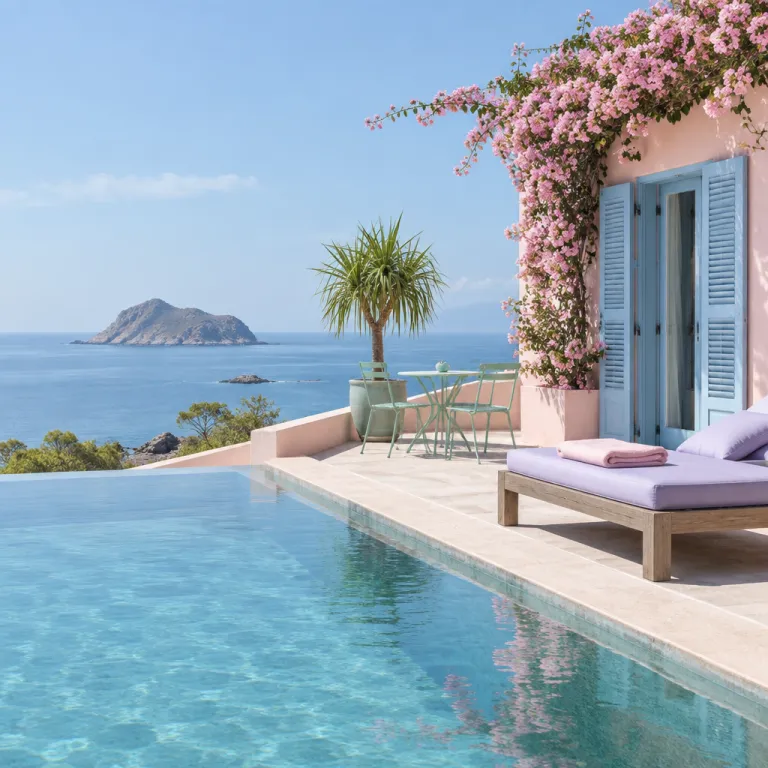
Timor oriental as a luxury gateway in southeast Asia
Timor-Leste offers a quiet alternative to crowded Southeast Asian resort hubs. This eastern half of the island of Timor combines raw coastal beauty with a growing portfolio of luxury and premium hotels, especially around Dili and the northern shore. For travelers who value privacy and authenticity, the country profile of Timor-Leste makes it ideal for slow, considered journeys.
The capital Dili sits on the north coast of Timor-Leste and anchors most high-end accommodation. Here you feel the layered history of the country, from Portuguese colonial architecture to the scars of the Indonesian occupation and the struggle for independence. Many Timorese staff in premium hotels share personal stories about how the government and people rebuilt after the United Nations mission period, which adds emotional depth to your stay.
Luxury hotels in Timor-Leste tend to be smaller, with attentive service and strong ties to local communities. Guests often meet Timorese managers who speak several indigenous languages alongside Portuguese, Tetum, and English, which helps bridge cultures at the property level. This human connection matters as much as infinity pools or ocean views when you choose a refined base for exploring the east of the island.
Dili: capital comfort, waterfront stays, and political heritage
Dili is the natural starting point for most trips into Timor-Leste and remains the country’s main luxury hub. The waterfront avenue hosts several premium hotels that face the bay, where you can watch people gather at sunset while the statue of Cristo Rei overlooks the east of the city. These properties suit travelers who want reliable comfort, quick access to the airport, and easy day trips into surrounding rural areas.
The city’s history shapes its atmosphere in ways that discerning guests often appreciate. Sites linked to the Santa Cruz massacre, the resistance of Xanana Gusmão, and the role of FRETILIN in the independence movement sit only a short drive from five-star lobbies. Staying in Dili allows you to understand how the Catholic Church, the national government, and the United Nations all influenced the political trajectory of Timor-Leste and its directly elected leaders.
Security-conscious visitors, including solo travelers, usually find Dili manageable when they choose well-run properties. For practical guidance on safe itineraries and logistics, many planners reference specialist advice on solo travel in Timor-Leste and the properties that get it right. Luxury hotels in the capital often coordinate vetted drivers, curated city tours, and restaurant reservations that highlight both Portuguese-inspired cuisine and East Timorese flavors; one seafront boutique hotel, for example, pairs sunset cocktails with a guided visit to the nearby resistance museum.
Atauro island: marine sanctuaries and low impact luxury
North of Dili, Atauro Island has become the signature escape for travelers seeking marine life and quiet beaches. Boat transfers from the capital cross the deep Ombai Strait, bringing you from the political heart of the country to a world of coral walls and clear water in less than two hours. For many guests, Timor-Leste only truly reveals its natural resources when they first snorkel or dive along Atauro’s reefs.
Accommodation on Atauro Island ranges from simple eco-lodges to premium villas with direct beach access. High-end stays here focus on low-impact design, local employment, and careful use of oil and gas powered generators, reflecting national conversations about sustainable development. Because the island’s communities are small, guests quickly meet Timorese hosts who explain how the government and people balance tourism growth with protection of marine ecosystems; one dive resort manager recalls a village meeting where elders agreed to expand a no-fishing zone after seeing reef recovery.
Planning a refined stay on Atauro is easier since the national tourism portal relaunched with an AI-supported planner. Travelers researching high-end coastal retreats often consult this tool through resources such as the overview of the new AI planner for luxury stays in Timor-Leste. When you combine this digital support with on-the-ground advice from Dili-based concierges, you can align ferry schedules, dive operations, and room categories without friction.
Eastern highlands and rural areas: from Baucau to the far east
Beyond the capital and Atauro, Timor-Leste stretches toward the eastern tip of the island with a mix of coastal towns and cool highlands. Baucau, the second-largest city in the country, offers a handful of characterful guesthouses and emerging premium options in restored Portuguese-era buildings. Here the slower rhythm of Timorese life contrasts with Dili’s traffic, and the surrounding rural areas invite day trips to waterfalls, caves, and quiet beaches.
Road conditions vary, so high-end travelers often arrange 4x4 transfers through their hotel or a trusted operator. These drives reveal how development remains uneven, with some villages still shaped by the legacy of the Indonesian occupation and the long struggle for independence. Yet the hospitality of the people is striking, and many visitors say that conversations in roadside cafés, where Portuguese and indigenous languages mingle, become their strongest memories of Timor-Leste.
Luxury-focused itineraries in the east of the country usually combine two or three bases. One night in Baucau might be followed by a stay near Com or Jaco facing the east of the island of Timor, where simple but comfortable lodges sit close to pristine sand. While five-star standards are still rare here, travelers who value space, nature, and cultural immersion often rate these experiences as highly as any polished city hotel.
Cultural depth: Portuguese heritage, Catholic traditions, and national identity
Part of the appeal of Timor-Leste for discerning guests lies in its layered cultural identity. Centuries of connection with Portugal left a visible mark on architecture, language, and cuisine, even after the trauma of Indonesian rule and the hard-won independence of East Timor. Walking through Dili or Baucau, you might hear Portuguese, Tetum, and several indigenous languages in a single street, which gives the country a distinctive soundscape.
The Catholic Church plays a central role in national life, and many visitors attend Mass or festivals to understand East Timorese spirituality. These events often reference the sacrifices made during the Indonesian occupation, the work of the United Nations, and the leadership of figures such as Xanana Gusmão and José Ramos-Horta. Luxury hotels increasingly curate cultural programs that explain how the government and people navigated political upheaval to build a more united society.
For travelers who want structured learning, some premium properties now run heritage activities and language introductions. A detailed overview of these initiatives appears in resources about immersive heritage programs that Timor-Leste’s hotels run, which highlight how hospitality can support national development. When you choose hotels that invest in such programs, your stay contributes directly to preserving culture while still offering refined comfort.
Practical planning: visas, safety, and choosing where to stay
Planning a high-end trip to Timor-Leste starts with understanding the country profile and entry rules. Most visitors arrive by air into Dili from Indonesia, Australia, or occasionally from other parts of Southeast Asia, then connect onward by road or boat. Because flight schedules can change, many travelers book at least one night in the capital at the beginning and end of their journey.
Timor-Leste maintains close ties with the United Nations, Portugal, and the United States, and this diplomatic network supports gradual improvements in infrastructure and security. The prime minister and other directly elected leaders have emphasized tourism as a pillar of development, alongside the management of oil and gas revenues and other natural resources. While petty crime exists, violent incidents against tourists remain relatively rare, especially when guests follow hotel advice and use recommended transport.
When choosing between properties, consider how each hotel engages with local people and rural areas rather than only room size or pool design. Some of the most rewarding stays involve guided visits to villages where Timorese hosts explain how FRETILIN, the national resistance, and the Catholic Church shaped their lives during and after the Indonesian occupation. In this way, a luxury holiday in Timor-Leste becomes more than a beach escape on an island in Southeast Asia; it turns into a thoughtful mission Timor experience that respects history and supports the future.
Key figures for luxury and premium travel in Timor Leste
- Timor-Leste received around 74,000 international arrivals in 2019 according to government tourism statistics, a small number compared with other Southeast Asia destinations, which means lower crowding at premium properties (see Timor-Leste Ministry of Tourism data for the latest year reported).
- Roughly 97 percent of the population identifies as Roman Catholic based on the 2015 national census, which explains the strong presence of the Catholic Church in cultural events that many hotels integrate into guest experiences (as reported by the General Directorate of Statistics of Timor-Leste).
- Oil and gas revenues have historically contributed the majority of state income according to international financial institutions, influencing how the government funds infrastructure that supports high-end tourism (for example, assessments by the World Bank and the International Monetary Fund).
- The country’s coastline stretches for more than 700 kilometers as reported in regional country profiles, giving luxury travelers access to varied beaches, bays, and dive sites within a relatively compact territory (figures referenced by the Asian Development Bank and United Nations agencies).
- Timor-Leste’s population remains predominantly rural, with more than 60 percent living in rural areas according to national statistics, which shapes the kind of community-based experiences that upscale hotels can offer beyond Dili (see Timor-Leste census and household survey publications).
FAQ: luxury and premium stays in timor oriental
Is Timor Leste safe for luxury travelers
Most visitors experience Timor-Leste as calm and welcoming, especially when they stay in reputable hotels that arrange trusted drivers and guides. Political tensions have eased significantly since the period of the Indonesian occupation and the early independence years, and the government works closely with the United Nations and regional partners on stability. Standard precautions still apply, but high-end properties in Dili and key coastal areas are accustomed to hosting international guests.
Where should I base myself for a first trip
For a first visit focused on comfort, Dili is the best base because it concentrates the country’s top hotels, restaurants, and services. From the capital you can arrange day trips to Atauro Island, the Santa Cruz cemetery, and nearby beaches, then return to a refined room each evening. After a few nights, many travelers add a stay on Atauro or in Baucau to experience more of Timor-Leste.
What level of luxury can I expect compared with other southeast Asia destinations
Timor-Leste’s luxury scene is smaller than in Indonesia or Thailand, but what exists feels personal and grounded. You will find comfortable rooms, good linens, and attentive service rather than vast resorts or global chains, especially outside Dili. Travelers who value authenticity, cultural depth, and quiet surroundings often rate their Timor-Leste stays as highly as more polished options elsewhere.
Do hotels cater to Portuguese and English speaking guests
Many staff in premium properties speak Portuguese, English, and Tetum, reflecting the country’s history with Portugal and its international partnerships. In Dili and Atauro, you can usually arrange guides who speak additional languages, which helps when exploring rural areas or learning about East Timorese culture. Communication tends to be straightforward for most European and United States visitors.
How far in advance should I book high end accommodation
Because the number of premium rooms in Timor-Leste remains limited, booking several weeks or months ahead is wise, especially for peak holiday periods. This is particularly important for Atauro Island and smaller coastal lodges in the east of the country, where capacity is modest. Early reservations also give hotels more time to organize transfers, guides, and tailored experiences that match your interests.